


Epoetin Injection 4000 IU (Erythropoietin Alfa)
-
 ৳18.80
৳20.00 -
৳3.33
৳3.50 -
৳5.64
৳6.00 -
৳8.46
৳9.00
![Recur Tablet 1 mg (Finasteride [For Androgenic Alopecia])](https://skpharma.com.bd/public/uploads/all/mqB5zpgTubYSB0CMtn0XXhQtwBc22ia6JfYbyrMt.png)


Reviews & Ratings
Epoetin 4000 IU is a recombinant human erythropoietin used for the effective management of anemia caused by reduced red blood cell production. It stimulates erythropoiesis in the bone marrow, leading to increased hemoglobin levels and improved oxygen delivery to tissues. Epoetin 4000 IU is widely used in patients with chronic kidney disease, those receiving cancer chemotherapy, HIV-infected patients on zidovudine therapy, and selected surgical patients to reduce the need for blood transfusions.
রেজিস্টার্ড চিকিৎসকের পরামর্শ অনুযায়ী ঔষধ সেবন করুন
Indications
Epoetin 4000 IU is indicated for the treatment of:
-
Anemia associated with chronic renal failure (CRF), including patients on dialysis and not on dialysis
-
Anemia in patients with non-myeloid malignancies receiving chemotherapy
-
Anemic patients (hemoglobin >10 to <13 g/dL) scheduled for elective noncardiac, nonvascular surgery to reduce the need for allogeneic blood transfusions
-
Anemia related to zidovudine therapy in HIV-infected patients
Therapeutic Class
-
Drugs for Haemolytic, Hypoplastic & Renal Anemia
Pharmacology
Epoetin 4000 IU regulates erythropoiesis by stimulating the differentiation and proliferation of erythroid precursor cells in the bone marrow. It enhances the release of reticulocytes into the circulation and promotes hemoglobin synthesis. Recombinant epoetin (alfa or beta) mimics the action of endogenous erythropoietin and is effective in managing anemia associated with chronic renal failure, cancer chemotherapy, and antiretroviral therapy.
Dosage and Administration
Anemia in Chronic Renal Failure
-
Adults: 50–100 IU/kg three times weekly (IV or subcutaneous)
-
Pediatrics: 50 IU/kg three times weekly (IV or subcutaneous)
-
Maintenance dose: Individualized based on response
-
Dialysis patients: Median 75 IU/kg TIW
-
Non-dialysis CRF patients: 75–150 IU/kg/week
-
Dose adjustments are made according to hematocrit and hemoglobin response.
Anemia in Cancer Patients on Chemotherapy
-
Adults: 150 IU/kg TIW subcutaneously or 40,000 IU subcutaneously once weekly
-
Pediatrics: 25–300 IU/kg, 3–7 times weekly
-
Dose may be increased to 300 IU/kg TIW if response is inadequate
Surgery Patients
-
300 IU/kg/day subcutaneously for 10 days before surgery, on the day of surgery, and for 4 days after surgery
-
Alternative regimen: 600 IU/kg subcutaneously once weekly prior to surgery plus a dose on the day of surgery
Zidovudine-treated HIV Patients
-
Adults: 100 IU/kg TIW (IV or subcutaneous)
-
Pediatrics: 50–400 IU/kg, 2–3 times weekly
Method of Administration
-
Administer by intravenous injection over 1–2 minutes or subcutaneous injection
-
Do not shake the vial
-
Inspect solution for particulate matter or discoloration before use
-
Not to be administered by intravenous infusion or mixed with other drug solutions
Drug Interactions
-
Hematinics may enhance therapeutic effectiveness
-
Increased heparin requirements may be observed in dialysis patients
Contraindications
Epoetin 4000 IU is contraindicated in patients with:
-
Uncontrolled hypertension
-
Known hypersensitivity to epoetin or mammalian cell-derived products
Side Effects
-
General: Headache, dizziness, fever, malaise, arthralgia
-
Cardiovascular: Hypertension, palpitations
-
Gastrointestinal: Nausea, vomiting, diarrhea, anorexia
-
Others: Allergic reactions, occasional hyperkalemia
Pregnancy and Lactation
-
Pregnancy Category C: Use only if clearly needed
-
Caution is advised during breastfeeding as excretion in human milk is unknown
Precautions and Warnings
-
Use cautiously in patients with controlled hypertension, ischemic vascular disease, seizure disorders, or suspected allergies
-
Iron status should be evaluated before and during therapy
-
Adequate iron supplementation is essential to support effective erythropoiesis
Overdose
High doses up to 1500 IU/kg TIW have been administered without direct toxicity. If hemoglobin exceeds the recommended range, therapy should be temporarily withheld. Phlebotomy may be required in cases of polycythemia.
Storage Conditions
-
Store at 2°C to 8°C
-
Protect from light
-
Do not freeze or shake.
Related Products

Gliclid MR Tablet 60 mg (Gliclazide)
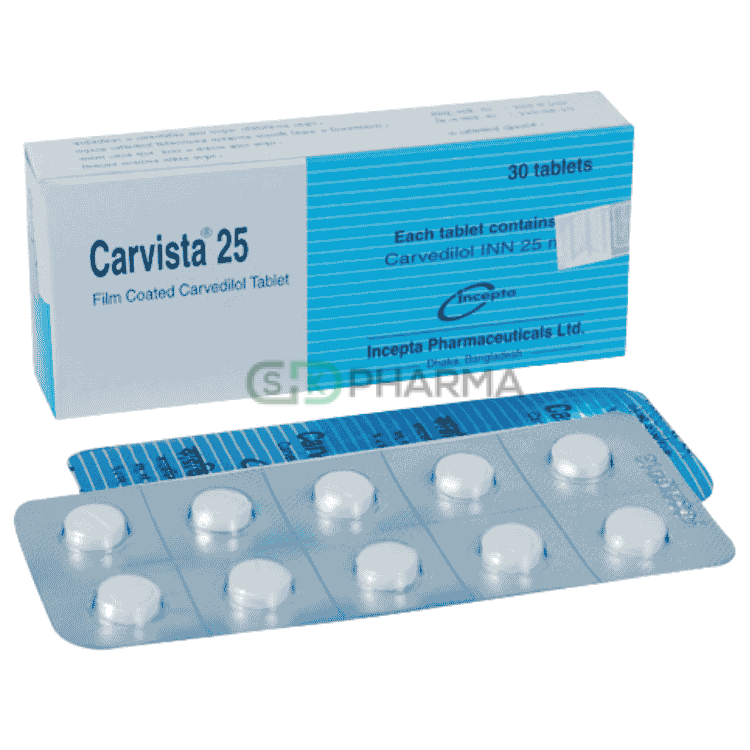
Carvista Tablet 25 mg (Carvedilol)

Delaflox Injection 300 mg/vial (Delafloxacin)
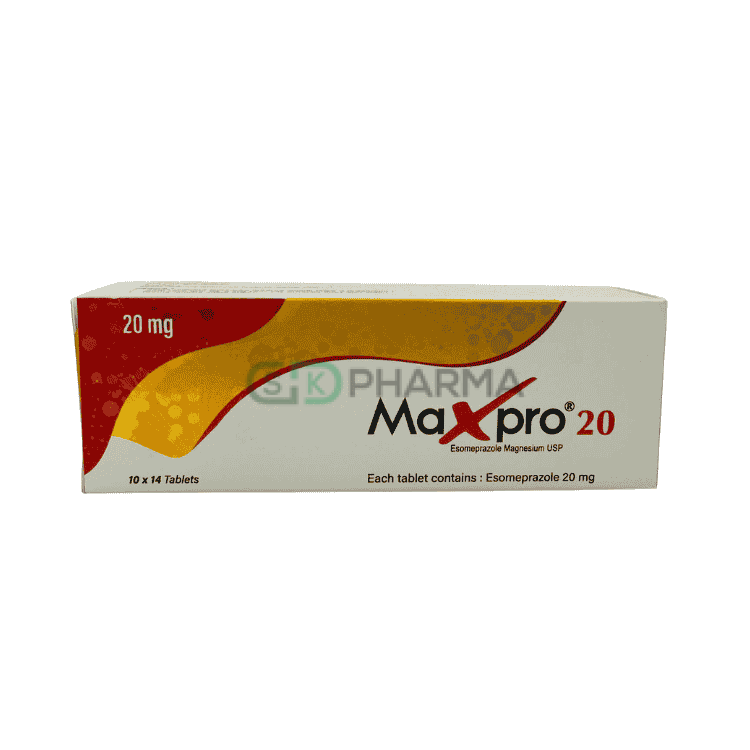
Maxpro Tablet 20 mg (Esomeprazole)

Epomax Injection 5000 IU (Erythropoietin Alfa)

Dobesil Capsule 500 mg (Calcium Dobesilate)

Disopan Tablet 1 mg (Clonazepam)
Silverax Cream 1% (Silver Sulfadiazine)
Product Queries (0)
Login Or Registerto submit your questions to seller
Other Questions
No none asked to seller yet
-
৳18.80
৳20.00 -
৳3.33
৳3.50 -
৳5.64
৳6.00 -
৳8.46
৳9.00


