


Euthycin Tablet 50 mcg (Levothyroxine Sodium)
-
 ৳18.80
৳20.00 -
৳3.33
৳3.50 -
৳5.64
৳6.00 -
৳8.46
৳9.00
![Recur Tablet 1 mg (Finasteride [For Androgenic Alopecia])](https://skpharma.com.bd/public/uploads/all/mqB5zpgTubYSB0CMtn0XXhQtwBc22ia6JfYbyrMt.png)

Reviews & Ratings
Euthycin 50 mcg contains Levothyroxine Sodium, a synthetic form of the thyroid hormone T4. It is primarily used as replacement therapy for hypothyroidism, a condition where the thyroid gland produces insufficient hormones. Euthycin helps restore normal metabolic activity, supports growth and development in children, and maintains energy balance in adults. Additionally, it is used for TSH suppression in patients with goitre, thyroid nodules, and thyroid cancer, and as a diagnostic aid in thyroid function tests.
The long half-life of T4 allows for once-daily dosing, providing stable and consistent thyroid hormone levels in the body. Euthycin is designed to replace natural thyroid hormone and prevent complications related to hypothyroidism, such as fatigue, weight gain, and cognitive slowing.
রেজিস্টার্ড চিকিৎসকের পরামর্শ অনুযায়ী ঔষধ সেবন করুন
Therapeutic Class
Thyroid Drugs & Hormone
Indications
Euthycin 50 mcg is indicated for:
-
Replacement therapy in hypothyroidism of any etiology (congenital, primary, or secondary)
-
Suppression of TSH in patients with goitre, nodules, or after thyroid cancer treatment
-
Suppression of drug-induced goitrogenic effects (e.g., lithium therapy)
-
Diagnostic use in thyroid function suppression tests
Note: Therapy should not be initiated for transient hypothyroidism during recovery from subacute thyroiditis.
Pharmacology
Levothyroxine in Euthycin is identical to natural thyroxine (T4) produced by the thyroid gland. About 30% of T4 is converted into triiodothyronine (T3), the biologically active hormone, in peripheral tissues. T4 is mostly bound to thyroxine-binding globulin (TBG), which prolongs its half-life (6–7 days) and ensures stable plasma levels with once-daily dosing. In conditions such as hyperthyroidism or protein deficiency, T4 metabolism and half-life may vary. The liver metabolizes T4, and it is excreted in urine and feces via conjugation and enterohepatic recycling.
Dosage & Administration
Adults:
-
Initial dose: 25–50 mcg/day, adjusted in 12.5–25 mcg increments every 6–8 weeks
-
Severe hypothyroidism: 12.5–25 mcg/day initially, increased by 25 mcg every 2–4 weeks
-
Older adults or patients with cardiac disease: 1.7 mcg/kg/day
-
TSH suppression (goitre, nodules, thyroid cancer): 2.6 mcg/kg/day
Pediatrics:
-
Newborns: 10–15 mcg/kg/day; in severe deficiency, 50 mcg/day
-
Infants: 6–15 mcg/kg/day depending on age
-
Children: Dose adjusted according to weight and clinical response, starting from 25 mcg/day
Administration Tips:
-
Take on an empty stomach, 30–60 minutes before breakfast
-
Adjust dosage according to clinical response and serum TSH levels
Drug Interactions
-
Tricyclic antidepressants: May increase risk of cardiac arrhythmias and CNS stimulation
-
Sertraline: May increase levothyroxine requirements
-
Insulin or oral hypoglycemics: Thyroid therapy may alter dosage requirements
-
Digitalis glycosides: Efficacy may decrease as hypothyroid state is corrected
Contraindications
-
Untreated thyrotoxicosis
-
Acute myocardial infarction
-
Uncorrected adrenal insufficiency
-
Hypersensitivity to levothyroxine
Side Effects
Side effects are usually dose-related and reflect symptoms of hyperthyroidism:
-
Fatigue, weight loss, heat intolerance, sweating
-
Nervousness, anxiety, insomnia
-
Tremors, muscle weakness
-
Palpitations, tachycardia, arrhythmias
-
Gastrointestinal: nausea, diarrhea, abdominal cramps
-
Dermatologic: hair loss, flushing
Precautions & Warnings
-
Correct adrenal insufficiency before starting therapy in patients with pituitary hypothyroidism
-
Start with low doses in elderly or cardiac patients to avoid angina, arrhythmias, or myocardial infarction
-
Monitor body weight and adjust dosage accordingly
-
Use serum TSH levels to titrate therapy in primary hypothyroidism
Overdose
Signs mimic hyperthyroidism: agitation, confusion, tachycardia, arrhythmias, fever, diarrhea, and in severe cases, coma or shock. Treatment is symptomatic, and dosing should be reduced or temporarily discontinued if overdose occurs.
Pregnancy & Lactation
-
Pregnancy Category A: Dose requirements may increase during pregnancy
-
Thyroid hormones minimally excreted in breast milk; caution advised
Storage Conditions
-
Store in a dry place below 30°C
-
Protect from light
-
Keep out of reach of children
Mode of Action
Levothyroxine in Euthycin supplements or replaces natural thyroid hormone, restoring normal metabolism. Conversion to T3 in peripheral tissues ensures biological activity, while protein binding prolongs hormone half-life, allowing stable serum levels and predictable therapeutic effects.
Related Products
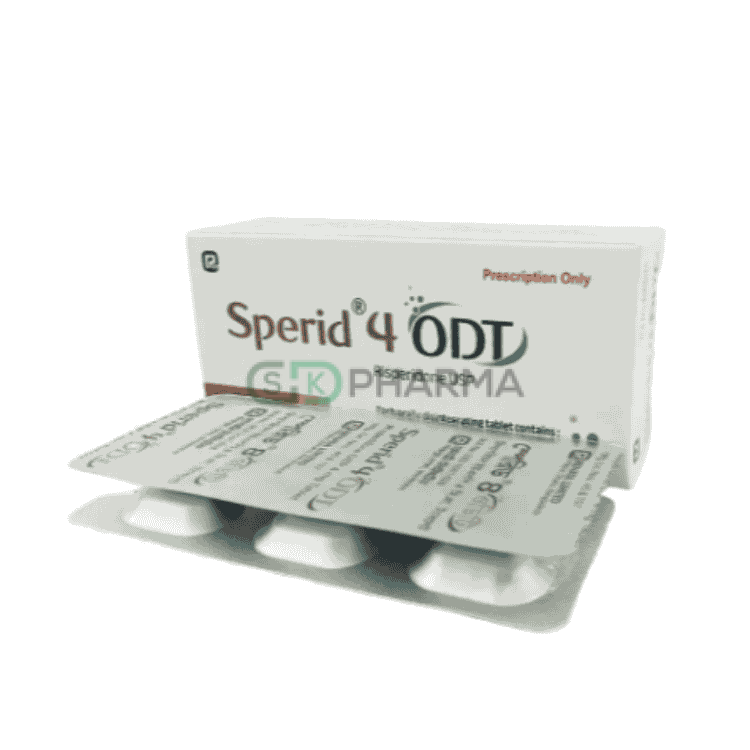
Sperid ODT Tablet 4 mg (Risperidone)


Diar Suspension 100 mg/5 ml (Nitazoxanide)

Uroben XR Tablet 50 mg (Mirabegron)
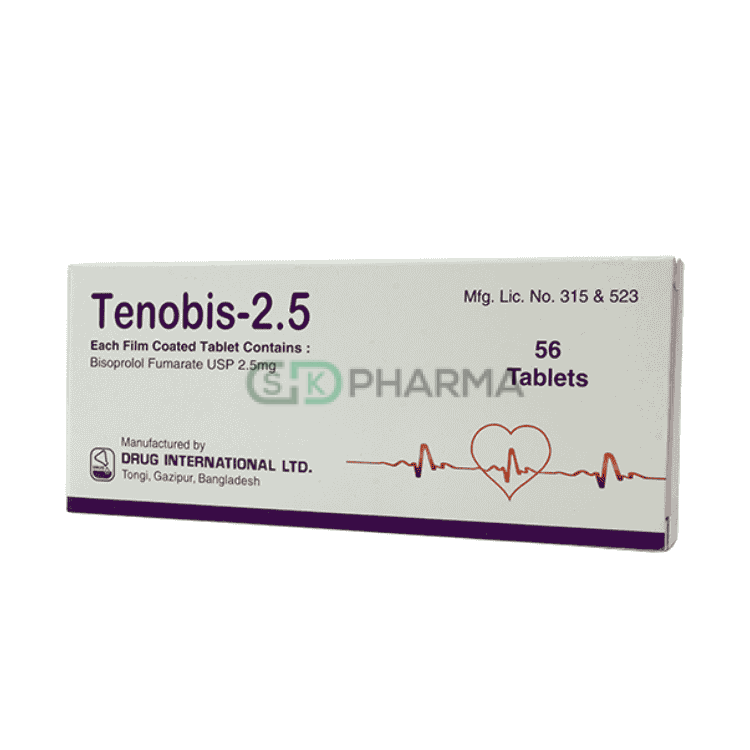
Tenobis Tablet 2.5 mg (Bisoprolol Fumarate)
Annova Tablet 250 mg (Naproxen Sodium)
Imuzin-B Tablet (Vitamin B Complex + Zinc)

Ipramid Inhaler 20 mcg/puff (Ipratropium Bromide)

Tezolin Tablet 200 mg (Tedizolid Phosphate)

Rolac NS Nasal Spray 15.75 mg/actuation (Ketorolac Tromethamine)
Product Queries (0)
Login Or Registerto submit your questions to seller
Other Questions
No none asked to seller yet
-
৳18.80
৳20.00 -
৳3.33
৳3.50 -
৳5.64
৳6.00 -
৳8.46
৳9.00


