


Euticin Powder 3 gm/sachet (Fosfomycin Trometamol)
-
 ৳18.80
৳20.00 -
৳3.33
৳3.50 -
৳5.64
৳6.00 -
৳32.90
৳35.00
![Recur Tablet 1 mg (Finasteride [For Androgenic Alopecia])](https://skpharma.com.bd/public/uploads/all/mqB5zpgTubYSB0CMtn0XXhQtwBc22ia6JfYbyrMt.png)


Reviews & Ratings
Euticin 3 gm/Sachet is a broad-spectrum intracellular antibiotic containing fosfomycin tromethamine, specifically formulated for the treatment of uncomplicated urinary tract infections (UTIs) in women. It provides effective, single-dose therapy for acute cystitis caused by susceptible strains of Escherichia coli and Enterococcus faecalis. Its unique mechanism and high urinary concentration make it an ideal choice for rapid relief of infection while minimizing systemic exposure.
রেজিস্টার্ড চিকিৎসকের পরামর্শ অনুযায়ী ঔষধ সেবন করুন
Indications
Euticin 3 gm/Sachet is indicated for:
-
Uncomplicated urinary tract infections (acute cystitis) in adult women caused by E. coli and E. faecalis.
Note:
-
Not indicated for pyelonephritis, perinephric abscess, or complicated UTIs.
-
If infection persists or recurs, alternative antibiotic therapy should be considered.
Therapeutic Class
Intracellular Antibiotic
Pharmacology
Euticin 3 gm/Sachet is a phosphoenolpyruvate (PEP) analogue produced by Streptomyces species. It exerts its antibacterial effect by irreversibly inhibiting enolpyruvate transferase (MurA), an enzyme essential for the formation of N-acetylmuramic acid, a key component of bacterial cell wall peptidoglycan.
-
Selective renal and bladder concentration: Ensures high local activity against urinary pathogens.
-
Additional benefits: Reduces nephrotoxicity and ototoxicity when co-administered with platinum-containing antitumor agents.
Dosage and Administration
-
Recommended dose for women ≥18 years: One sachet (3 gm) for a single episode of uncomplicated UTI.
-
Can be taken with or without food.
-
Preparation:
-
Dissolve the entire sachet in 3–4 ounces (½ cup) of water.
-
Stir well until completely dissolved.
-
Do not use hot water.
-
Drink immediately after preparation.
-
-
Important: Do not take the powder in its dry form. Only a single dose is required per episode.
Contraindications
-
Hypersensitivity to fosfomycin or any other component of the formulation.
Side Effects
Common adverse reactions (>1% incidence) include:
-
Diarrhea (10.4%), headache (10.3%), vaginitis (7.6%), nausea (5.2%)
-
Rhinitis (4.5%), back pain (3%), dysmenorrhea (2.6%), pharyngitis (2.5%)
-
Dizziness (2.3%), abdominal pain (2.2%), pain (2.2%), dyspepsia (1.8%)
-
Asthenia (1.7%), rash (1.4%)
Less frequent reactions (<1%) may include constipation, dry mouth, dysuria, ear disorder, flatulence, hematuria, fever, insomnia, pruritus, and vomiting.
Precautions and Warnings
-
Only one single dose should be used per acute cystitis episode.
-
Clostridium difficile-associated diarrhea (CDAD): Monitor for severe diarrhea during and after treatment.
-
Urine cultures should be obtained before and after therapy to ensure eradication.
-
Long-term carcinogenicity or mutagenicity studies are not required due to single-dose use.
Pregnancy and Lactation
-
Pregnancy Category B: Safe when clinically necessary.
-
Caution advised during breastfeeding due to potential adverse reactions in infants; consider discontinuing nursing during therapy.
Overdose
-
Animal studies indicate high tolerability even at doses 50–125 times the human dose.
-
Reported human overdose effects: vestibular loss, impaired hearing, metallic taste, reduced taste perception.
-
Management: symptomatic and supportive care.
Use in Special Populations
-
Pediatric: Safety and efficacy not established for children under 12 years.
-
Geriatric: No significant differences in response; caution advised due to potential decreased organ function and co-morbidities.
Storage Conditions
-
Store at 25°C, permissible range 15–30°C.
-
Keep in a cool, dry place, away from children.
Related Products


Azithrocin Injection 500 mg/vial (Azithromycin Dihydrate)


Vivanta Tablet 24 mg+26 mg (Sacubitril + Valsartan)

Esodip Tablet 1.25 mg (Levamlodipine Maleate)
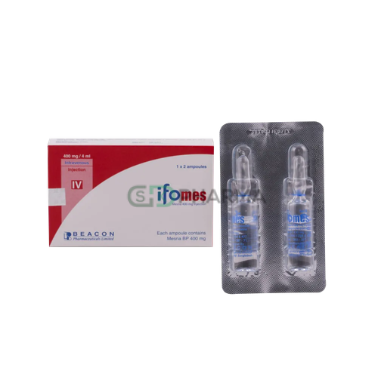
Ifomes Injection 400 mg/4 ml (Mesna)
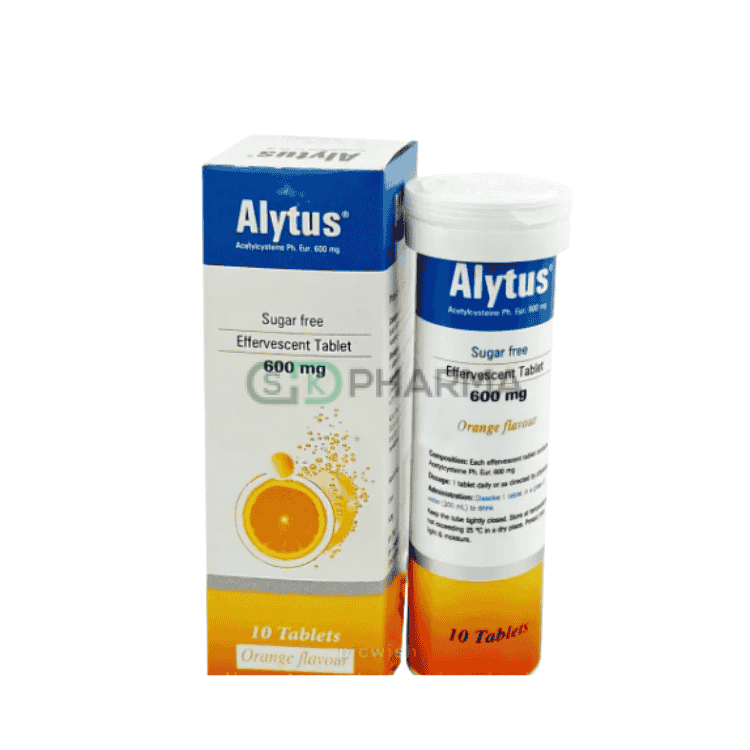
Alytus Tablet 600 mg (Acetylcysteine)

Riluzol Suspension 5 mg/ml (Riluzole)

Alice Lotion 0.50% (Ivermectin (Topical))
Product Queries (0)
Login Or Registerto submit your questions to seller
Other Questions
No none asked to seller yet
-
৳18.80
৳20.00 -
৳3.33
৳3.50 -
৳5.64
৳6.00 -
৳32.90
৳35.00


