


Intafenac K Tablet 50 mg (Diclofenac Potassium)
-
 ৳18.80
৳20.00 -
৳3.33
৳3.50 -
৳5.64
৳6.00 -
৳32.90
৳35.00
![Recur Tablet 1 mg (Finasteride [For Androgenic Alopecia])](https://skpharma.com.bd/public/uploads/all/mqB5zpgTubYSB0CMtn0XXhQtwBc22ia6JfYbyrMt.png)


Reviews & Ratings
Intafenac K 50 mg is primarily indicated for the short-term treatment of acute pain and inflammation in various conditions:
-
Post-traumatic pain, inflammation, and swelling – e.g., sprains, strains, or injuries.
-
Post-operative pain, inflammation, and swelling – e.g., following dental, orthopedic, or other surgical procedures.
-
Gynaecological painful and inflammatory conditions – e.g., primary dysmenorrhoea (menstrual cramps), adnexitis.
-
Migraine attacks – to relieve acute migraine episodes.
-
Painful syndromes of the vertebral column – e.g., back pain or sciatica.
-
Non-articular rheumatism – pain and inflammation in muscles, ligaments, or soft tissues.
-
Adjuvant therapy for severe infections of the ear, nose, or throat – e.g., pharyngotonsillitis, otitis media with pain and inflammation.
Therapeutic Class
-
Non-steroidal Anti-inflammatory Drugs (NSAIDs)
-
Drugs used for Rheumatoid Arthritis
-
Drugs for Osteoarthritis
Pharmacology
Diclofenac, the active component of Intafenac K, works by inhibiting cyclooxygenase enzymes (COX-1 and COX-2). These enzymes are responsible for the production of prostaglandins, which mediate pain, inflammation, and fever. By reducing prostaglandin synthesis:
-
Pain signaling in peripheral nerves is diminished.
-
Inflammation and swelling are reduced.
-
Fever and sensitization of tissues to pain-inducing agents (e.g., bradykinin) are alleviated.
Diclofenac is potent both in vitro (lab studies) and in vivo (in patients), providing effective relief for acute inflammatory conditions.
Dosage & Administration
Adults:
-
Initial loading dose: 50 mg
-
Maintenance: 25–50 mg every 8 hours if needed
-
Maximum daily dose: 150 mg
For migraine attacks:
-
Initial 50 mg, then 25–50 mg after 2 hours if needed
Children over 14 years:
-
Up to 75 mg daily in divided doses
Administration:
-
Swallow tablets whole with liquid, preferably before meals.
Drug Interactions
-
Lithium & Digoxin: Plasma concentrations may increase.
-
Anticoagulants: Increased risk of bleeding.
-
Cyclosporin: Risk of nephrotoxicity.
-
Methotrexate: Serious toxicity if given within 24 hours of Diclofenac.
-
Diuretics: May reduce their effectiveness.
-
Other NSAIDs or steroids: Increased frequency of adverse effects.
Contraindications
-
Hypersensitivity to Diclofenac
-
History of asthma, urticaria, or allergic reactions to aspirin or NSAIDs
-
Perioperative pain in coronary artery bypass graft (CABG) surgery
Side Effects
-
Common/Occasional: Epigastric pain, nausea, vomiting, diarrhea, dyspepsia, abdominal cramps, flatulence
-
Rare: Gastrointestinal bleeding, peptic ulcer, bloody diarrhea
-
If serious adverse effects occur, discontinue the drug
Pregnancy & Lactation
-
Avoid during pregnancy unless necessary; not recommended in the last trimester
-
Small quantities may pass into breast milk; generally safe, but caution is advised
Storage Conditions
-
Store below 30°C, away from light and moisture
-
Keep out of reach of children.
Related Products
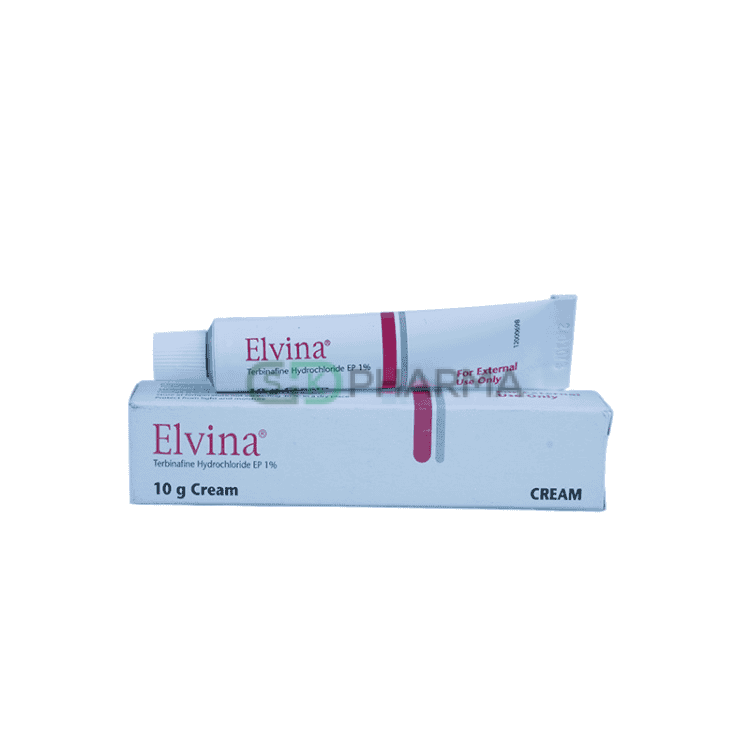
Elvina Cream 1% (Terbinafine Hydrochloride)
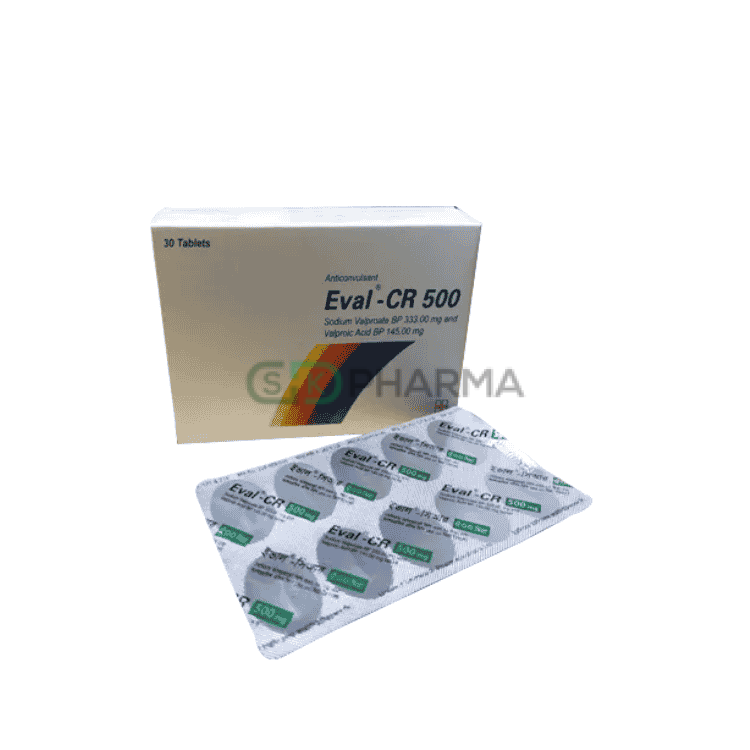
Eval CR Tablet 500 mg (Sodium Valproate)

Dimerol Tablet 80 mg (Gliclazide)

Xibrofen Eye Drop 0.09% (Bromfenac Sodium)
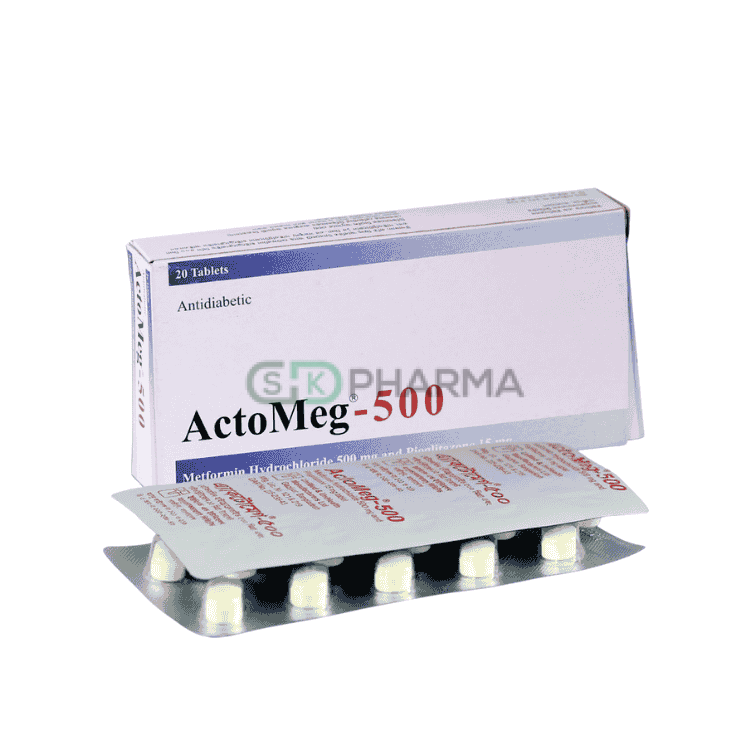
Teana Tablet 40 mg (Telmisartan)

Amlovas Tablet 5 mg (Amlodipine Besilate)

Lucan-R Suspension 50 mg/5 ml (Fluconazole)
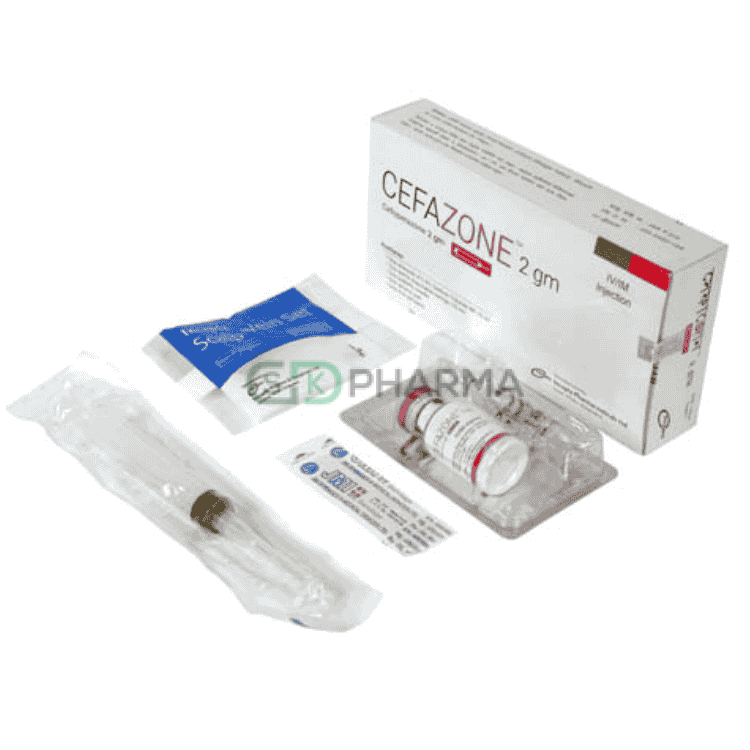
Cefazone Injection 2 gm/vial (Cefoperazone Sodium)
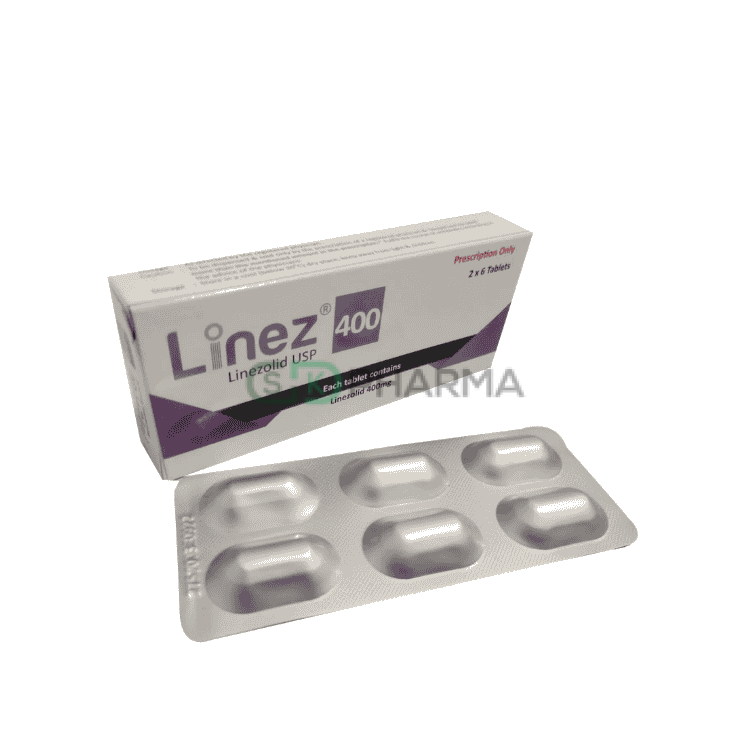
Linez Tablet 400 mg (Linezolid)
Product Queries (0)
Login Or Registerto submit your questions to seller
Other Questions
No none asked to seller yet
-
৳18.80
৳20.00 -
৳3.33
৳3.50 -
৳5.64
৳6.00 -
৳32.90
৳35.00


