


Labegest Tablet 200 mg (Labetalol Hydrochloride)
-
 ৳18.80
৳20.00 -
৳3.33
৳3.50 -
৳5.64
৳6.00 -
৳8.46
৳9.00


![Recur Tablet 1 mg (Finasteride [For Androgenic Alopecia])](https://skpharma.com.bd/public/uploads/all/mqB5zpgTubYSB0CMtn0XXhQtwBc22ia6JfYbyrMt.png)
Reviews & Ratings
Labegest 200 mg is a dual-action alpha- and beta-adrenoceptor blocker used to manage various forms of hypertension and related cardiovascular conditions. It effectively lowers blood pressure without causing reflex tachycardia, making it suitable for chronic hypertension, pregnancy-induced hypertension, and situations where rapid or controlled blood pressure reduction is required. Labegest also plays a role in managing angina in hypertensive patients, catecholamine excess, and pheochromocytoma.
রেজিস্টার্ড চিকিৎসকের পরামর্শ অনুযায়ী ঔষধ সেবন করুন
Therapeutic Class
Alpha- and Beta-Adrenoceptor Blocking Drugs
Indications
Labegest 200 mg is indicated for:
-
Hypertension
-
All grades of essential hypertension
-
Pregnancy-induced hypertension
-
-
Cardiovascular Conditions
-
Angina in hypertensive patients
-
Hypertensive episodes during anesthesia
-
Hypertension related to catecholamine excess or pheochromocytoma
-
Pharmacology
Labegest 200 mg works by competitively blocking β-receptors in the myocardium, bronchial and vascular smooth muscle, and α1-receptors in vascular smooth muscle. This dual blockade reduces blood pressure without reflex tachycardia. Labegest also exhibits mild β2-agonist and membrane-stabilizing activity.
-
Alpha-blockade: Attenuates pressor responses to stimuli such as phenylephrine or cold exposure.
-
Beta1-blockade: Lowers resting heart rate and blunts exercise-induced tachycardia.
-
Beta2-blockade: Inhibits isoproterenol-induced decrease in diastolic blood pressure.
Labetalol reduces cardiac output slightly, decreases total peripheral resistance, and lowers plasma renin activity, contributing to overall antihypertensive effects.
Dosage and Administration
Oral (Adults):
-
Initial dose: 100 mg twice daily, alone or with diuretics
-
Titration: Increase in 100 mg increments every 2–3 days as needed
-
Maintenance: 200–400 mg twice daily
-
Severe hypertension: 1,200–2,400 mg per day (split doses or thrice daily for tolerability)
Intravenous (Adults):
-
Bolus injection: 50 mg IV over ≥1 minute, repeat every 5 minutes if needed (max 200 mg)
-
IV infusion: 1 mg/ml diluted in compatible fluids (5% dextrose, 0.9% saline)
-
Pregnancy-induced hypertension: Start at 20 mg/hr, double every 30 minutes up to 160 mg/hr
-
Acute myocardial infarction: Start at 15 mg/hr, increase gradually to max 120 mg/hr
Hypotensive anesthesia:
-
IV induction: 10–30 mg depending on patient condition
-
Incremental doses: 5–10 mg until desired blood pressure achieved
-
Halothane concentration: ≤1–1.5% due to synergistic effects
Pediatric Use:
-
Safety and efficacy not established
Elderly:
-
Initiate at 100 mg twice daily; lower maintenance doses may be sufficient due to slower drug elimination
Drug Interactions
-
Synergistic hypotension: With halothane, nitroglycerin
-
Bioavailability changes: Increased with cimetidine; decreased with glutethimide
-
Other interactions: Tremor with tricyclic antidepressants; bradycardia/heart block with calcium channel blockers (e.g., verapamil, diltiazem)
Contraindications
-
Obstructive airway disease (e.g., asthma)
-
Second or third-degree heart block
-
Cardiogenic shock, severe/prolonged hypotension
-
Uncompensated heart failure
-
Severe bradycardia
Side Effects
Common and serious side effects may include:
-
Postural hypotension, dizziness, lightheadedness
-
Fatigue, weakness, headache
-
Rash, scalp tingling
-
Gastrointestinal symptoms: nausea, vomiting, epigastric pain
-
Liver injury in rare cases
-
Difficulty in urination
Pregnancy and Lactation
-
Pregnancy Category C: Use only if benefits outweigh risks
-
Teratogenic studies in animals showed no consistent fetal malformations, though increased fetal resorption was observed at high doses
-
Neonates of treated mothers may experience hypotension, bradycardia, hypoglycemia, and respiratory depression
-
Small amounts excreted in breast milk; caution advised
Precautions and Warnings
-
Patients with pheochromocytoma, DM, non-allergic bronchospasm, or compromised cardiac function
-
May mask hypoglycemia symptoms in diabetics
-
Avoid abrupt withdrawal to prevent angina exacerbation
-
Monitor closely in hepatic impairment, elderly, pregnant, or lactating patients
Storage Conditions
-
Store in a cool, dry place, protected from light
-
Keep out of reach of children.
Related Products
![Decaren Capsule 100 mg (Coenzyme Q10 [Ubidecarenone])](https://skpharma.com.bd/public/uploads/all/1vBNBKrMmIbcYG61FkAVoebohX7JlUkuNIflFydo.png)
Decaren Capsule 100 mg (Coenzyme Q10 [Ubidecarenone])
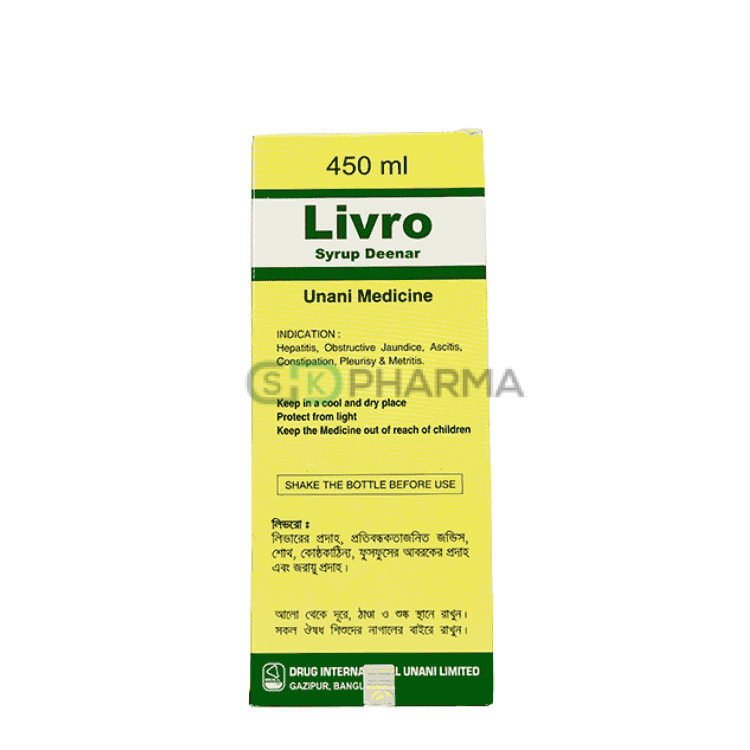
Livro Syrup (Dinar)
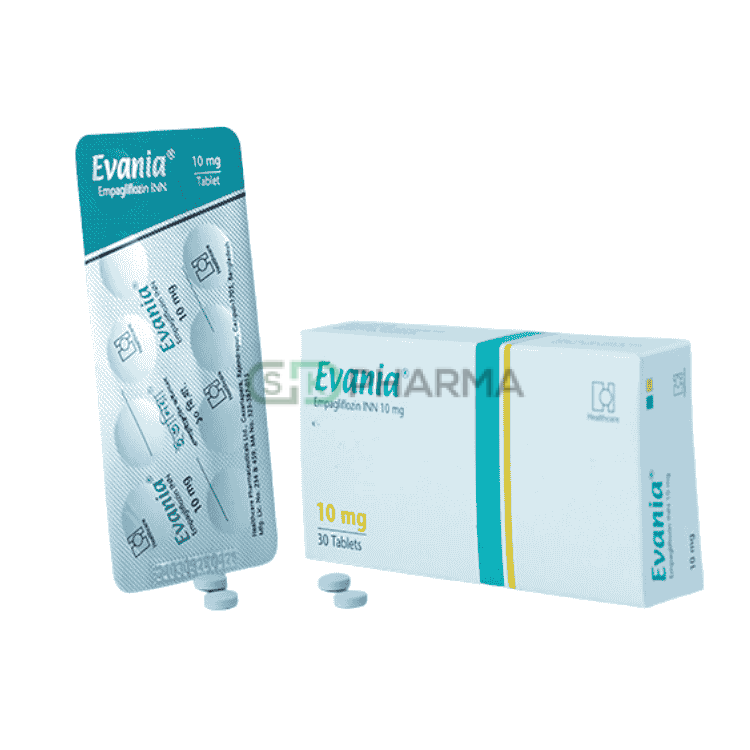
Evania Tablet 10 mg (Empagliflozin)

Sindola Tablet 10 mg (Mirogabalin Besylate)

Carnovas Tablet 5 mg (Nebivolol Hydrochloride)

Panodin SR Tablet 600 mg (Etodolac)

Iriban Tablet 135 mg (Mebeverine Hydrochloride)
Product Queries (0)
Login Or Registerto submit your questions to seller
Other Questions
No none asked to seller yet
-
৳18.80
৳20.00 -
৳3.33
৳3.50 -
৳5.64
৳6.00 -
৳8.46
৳9.00


