


Ositag 80 mg (Osimertinib)
-
 ৳18.80
৳20.00 -
৳3.33
৳3.50 -
৳5.64
৳6.00 -
৳32.90
৳35.00
![Recur Tablet 1 mg (Finasteride [For Androgenic Alopecia])](https://skpharma.com.bd/public/uploads/all/mqB5zpgTubYSB0CMtn0XXhQtwBc22ia6JfYbyrMt.png)


Reviews & Ratings
Ositag 80 mg contains Osimertinib, a third-generation epidermal growth factor receptor (EGFR) tyrosine kinase inhibitor (TKI) used for the treatment of non-small cell lung cancer (NSCLC) with specific EGFR mutations. Osimertinib selectively inhibits both EGFR-sensitizing mutations and T790M resistance mutations, offering targeted therapy for patients whose tumors have developed resistance to earlier EGFR inhibitors.
রেজিস্টার্ড চিকিৎসকের পরামর্শ অনুযায়ী ঔষধ সেবন করুন
Therapeutic Class
-
Tyrosine Kinase Inhibitor (EGFR TKI)
-
Antineoplastic Agent
Indications
Ositag 80 mg is indicated for:
-
Metastatic NSCLC with EGFR T790M mutation detected by an FDA-approved test in patients who have progressed on or after EGFR TKI therapy.
-
First-line treatment of NSCLC with activating EGFR mutations (exon 19 deletions or exon 21 L858R substitution).
-
Adjuvant treatment in adult patients with EGFR-mutated NSCLC following complete tumor resection.
Pharmacology / Mode of Action
Osimertinib is a potent, irreversible inhibitor of EGFR, including both sensitizing mutations and the T790M resistance mutation. By covalently binding to the cysteine residue within the ATP-binding site of the EGFR kinase domain, Osimertinib inhibits autophosphorylation and downstream signaling pathways, including RAS/RAF/MEK/ERK and PI3K/AKT, leading to reduced cell proliferation and induction of apoptosis in EGFR-mutant tumor cells.
Osimertinib demonstrates excellent central nervous system (CNS) penetration, making it effective against brain metastases in patients with EGFR-mutated NSCLC.
Dosage and Administration
-
The recommended dose is 80 mg orally once daily, with or without food.
-
Swallow the tablet whole; do not crush, chew, or split.
-
Continue treatment until disease progression or unacceptable toxicity occurs.
-
Dose adjustments may be necessary in patients experiencing adverse reactions:
-
40 mg once daily for moderate toxicity
-
Temporary discontinuation for severe toxicity until recovery, then restart at the same or reduced dose
-
Side Effects
Common adverse reactions:
-
Diarrhea, rash, dry skin, paronychia
-
Fatigue, stomatitis, decreased appetite
-
Nail disorders and alopecia
Serious adverse reactions:
-
Interstitial lung disease (ILD) / pneumonitis
-
QT interval prolongation and cardiac arrhythmias
-
Cardiomyopathy and heart failure
-
Severe dermatologic reactions (e.g., Stevens-Johnson syndrome)
Contraindications
-
Hypersensitivity to Osimertinib or any of the excipients in the formulation.
Precautions and Warnings
-
Monitor pulmonary symptoms; discontinue therapy if ILD is suspected.
-
Periodically check electrocardiograms (ECG) for QT prolongation, especially in patients with existing cardiac risk factors.
-
Monitor left ventricular ejection fraction (LVEF) during therapy.
-
Adjust dose or discontinue for severe hepatic impairment.
-
Use caution in patients with renal impairment; no dose adjustment required for mild to moderate renal disease.
Drug Interactions
-
Strong CYP3A inducers (e.g., rifampin, phenytoin) may reduce Osimertinib plasma levels.
-
Concomitant use with CYP3A inhibitors may increase drug exposure; monitor for toxicity.
Use in Special Populations
-
Pregnancy: Category D. Not recommended during pregnancy unless benefits outweigh risks.
-
Lactation: Unknown; avoid breastfeeding during treatment.
-
Elderly: No dose adjustment required; monitor for tolerability.
Storage Conditions
-
Store at 20–25°C, protected from light and moisture.
-
Keep out of the reach of children.
Related Products

Alecnib 150 mg (Alectinib)
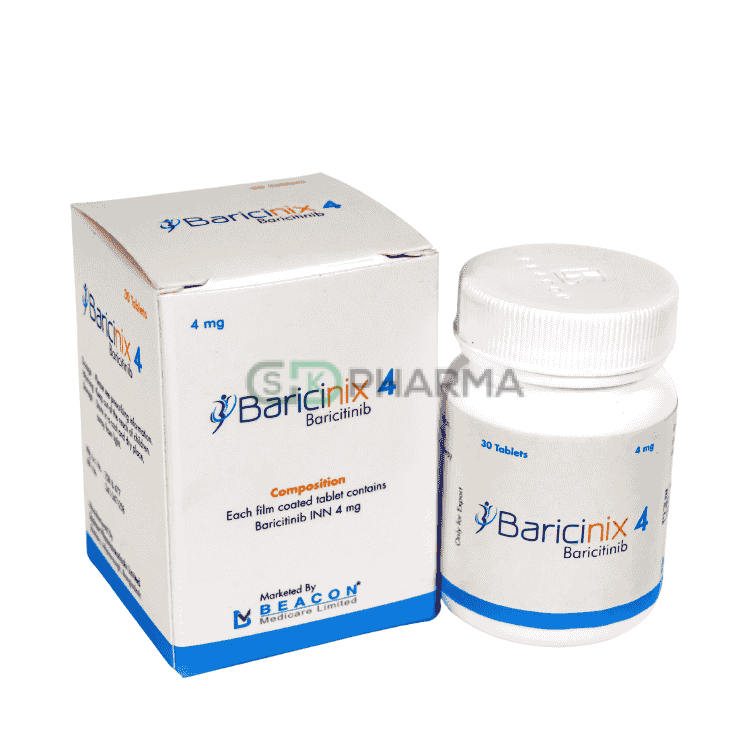
Baricinix 4 mg (Baricitinib)
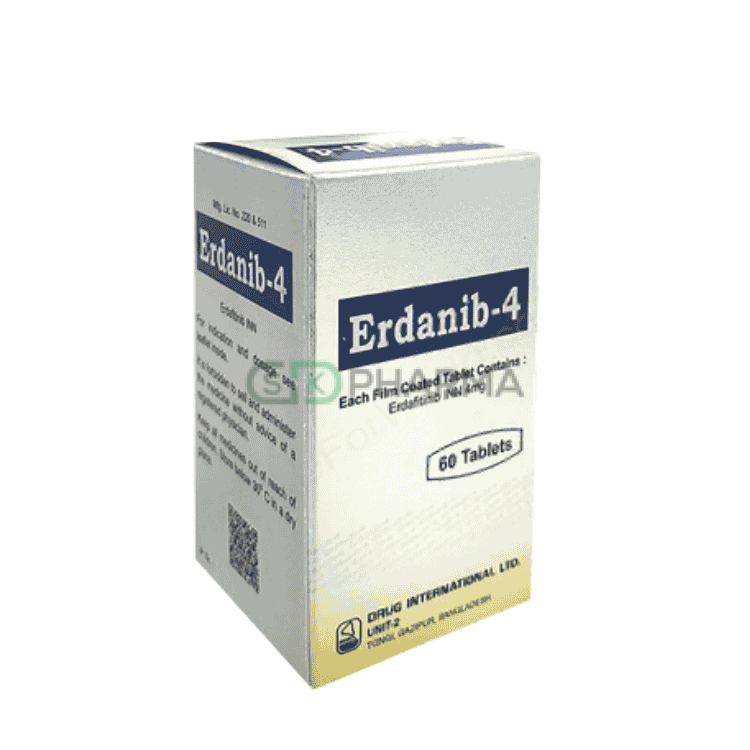
Erdanib 4 mg (Erdafitinib)

Olakin 150 mg (Olaparib)

Elopag 25 mg (Eltrombopag)

Fitaro 2.4 mg (Semaglutide) Injection

Barigen 4 mg (Baricitinib)

Acaluxen 100 mg (Acalabrutinib)

Ivosidenib 250 mg (Ivosenib)
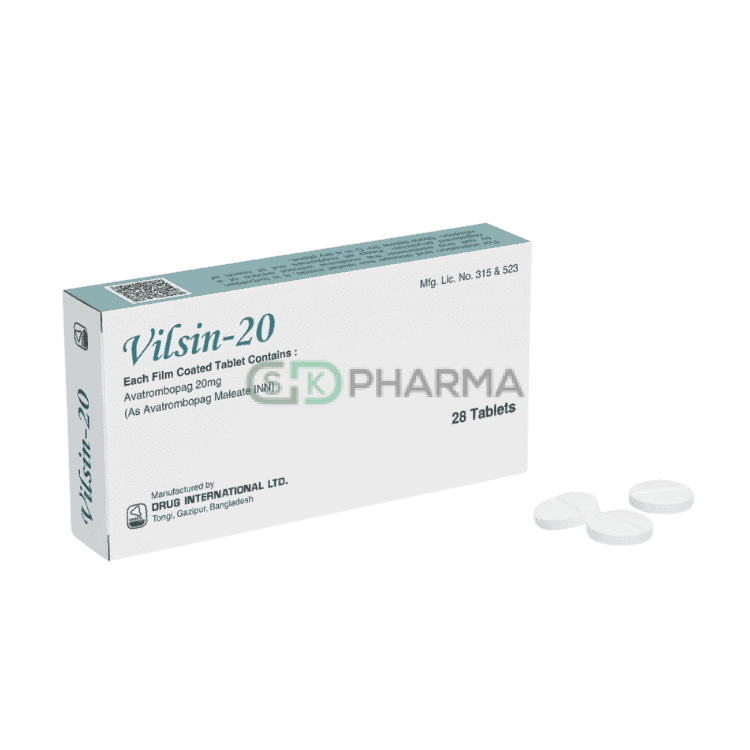
Vilsin 20 mg (Avatrombopag)
Product Queries (0)
Login Or Registerto submit your questions to seller
Other Questions
No none asked to seller yet
-
৳18.80
৳20.00 -
৳3.33
৳3.50 -
৳5.64
৳6.00 -
৳32.90
৳35.00


