


Epicure Injection 50 mg/5 ml (Brivaracetam)
-
 ৳18.80
৳20.00 -
৳3.33
৳3.50 -
৳5.64
৳6.00 -
৳32.90
৳35.00
![Recur Tablet 1 mg (Finasteride [For Androgenic Alopecia])](https://skpharma.com.bd/public/uploads/all/mqB5zpgTubYSB0CMtn0XXhQtwBc22ia6JfYbyrMt.png)

Reviews & Ratings
Epicure Injection 50 mg/5 ml contains Brivaracetam, a novel antiepileptic drug (AED) used primarily for the treatment of partial-onset seizures (focal seizures) in adults and adolescents aged 16 years and older. Brivaracetam is structurally related to levetiracetam but has a higher affinity for synaptic vesicle protein 2A (SV2A), which is believed to modulate neurotransmitter release and stabilize neuronal excitability. The injectable form is often used in hospital settings for patients who cannot take oral medication due to surgery, swallowing difficulties, or acute seizure management.
রেজিস্টার্ড চিকিৎসকের পরামর্শ অনুযায়ী ঔষধ সেবন করুন
Therapeutic Class
-
Antiepileptic / Anticonvulsant
-
SV2A Ligand
Indications
Epicure Injection 50 mg/5 ml is indicated for:
-
Adjunctive therapy in focal (partial-onset) seizures with or without secondary generalization in adults and adolescents aged 16 years and older.
-
Short-term use when oral administration is not feasible, including perioperative seizure management.
Pharmacology
Mechanism of Action:
Brivaracetam binds selectively to synaptic vesicle protein 2A (SV2A) in the brain, which plays a crucial role in regulating neurotransmitter release. By modulating SV2A, Brivaracetam reduces abnormal neuronal firing that leads to seizures. Unlike some other AEDs, Brivaracetam does not significantly affect sodium channels, GABA receptors, or calcium channels, which contributes to a favorable safety and side effect profile.
Pharmacokinetics:
-
Absorption: Rapid and complete when given intravenously
-
Distribution: Widely distributed in tissues; plasma protein binding ~20%
-
Metabolism: Predominantly hepatic via hydrolysis and hydroxylation
-
Elimination: Mainly renal; half-life approximately 9 hours
-
Steady-state: Achieved within 2 days of twice-daily dosing
Dosage & Administration
-
Recommended Dose: 50 mg intravenous injection over 2–5 minutes, can be repeated as needed or transitioned to oral therapy.
-
Adults: Typically 50–200 mg/day in 2 divided doses, adjusted according to response and tolerability.
-
Special Populations:
-
Renal impairment: No dose adjustment needed for mild or moderate impairment; use caution in severe impairment.
-
Hepatic impairment: Dose reduction may be required in moderate to severe hepatic impairment.
-
-
Transition to Oral Therapy: Injection can be replaced with oral Brivaracetam at the same daily dose once oral administration is feasible.
Drug Interactions
-
Minimal clinically significant interactions.
-
Brivaracetam does not induce or inhibit major CYP enzymes significantly, making it safer with concomitant medications.
-
Concomitant use with other AEDs should be monitored for additive sedation or dizziness.
Contraindications
-
Known hypersensitivity to Brivaracetam or any component of the formulation.
-
Caution in patients with history of suicidal ideation or severe psychiatric disorders, as antiepileptics may increase risk.
Side Effects
Common adverse effects:
-
Drowsiness, dizziness, fatigue
-
Nausea, vomiting
-
Headache
Less common effects:
-
Irritability, mood changes, anxiety, depression
-
Coordination disturbances
-
Rare hypersensitivity reactions
Serious reactions:
-
Suicidal thoughts or behavior
-
Severe allergic reactions (angioedema, rash)
Precautions & Warnings
-
Monitor for behavioral changes or suicidal ideation.
-
Use caution when driving or operating machinery until patient tolerance is established.
-
Dose adjustment may be required in moderate to severe hepatic impairment.
-
Abrupt discontinuation should be avoided; taper gradually to minimize seizure recurrence.
Overdose
-
Symptoms: Somnolence, sedation, agitation, dizziness, nausea, vomiting, and in severe cases, respiratory depression.
-
Management: Supportive care, monitoring of vital signs, and airway maintenance. No specific antidote exists.
Pregnancy & Lactation
-
Pregnancy: Limited human data; use only if benefits outweigh risks.
-
Lactation: Excretion in breast milk is unknown; avoid breastfeeding during treatment.
Storage
-
Store at 20–25°C, protected from light.
-
Keep out of reach of children.
-
Do not freeze.
Related Products
![D-Rise Oral Solution 2000 IU/ml (Cholecalciferol [Vitamin D3])](https://skpharma.com.bd/public/uploads/all/teJFw628oMNNwdTeLzbQWYBlplQR5vrouDL105lF.png)
D-Rise Oral Solution 2000 IU/ml (Cholecalciferol [Vitamin D3])

Allynol Tablet 5 mg (Allylestrenol)

Esonix Injection 40 mg/vial (Esomeprazole)

Nispore Suspension 50 mg/5 ml (Fluconazole)

Turbocef Suspension 125 mg/5 ml (Cefuroxime Axetil)

Vistarin Injection 8000 Anti-Xa IU/0.8 ml (Enoxaparin Sodium)
Tetrazin Tablet 12.5 mg (Tetrabenazine)
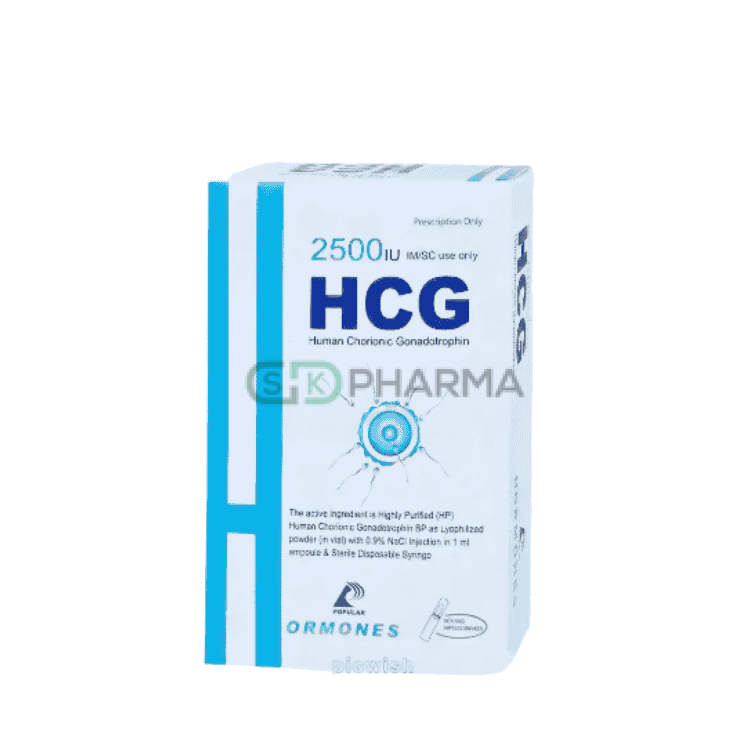
HCG Injection 2500 IU/vial (Human Chorionic Gonadotrophin)
Soforal Tablet 400 mg (Sofosbuvir)
Brox Pediatric Drop 6 mg/ml (Ambroxol Hydrochloride)
Product Queries (0)
Login Or Registerto submit your questions to seller
Other Questions
No none asked to seller yet
-
৳18.80
৳20.00 -
৳3.33
৳3.50 -
৳5.64
৳6.00 -
৳32.90
৳35.00


