


Erlocent Tablet 100 mg (Erlotinib)
-
 ৳18.80
৳20.00 -
৳3.33
৳3.50 -
৳5.64
৳6.00 -
৳8.46
৳9.00
![Recur Tablet 1 mg (Finasteride [For Androgenic Alopecia])](https://skpharma.com.bd/public/uploads/all/mqB5zpgTubYSB0CMtn0XXhQtwBc22ia6JfYbyrMt.png)

Reviews & Ratings
Erlocent Tablet 100 mg contains Erlotinib, a targeted anticancer medicine classified as an epidermal growth factor receptor (EGFR) tyrosine kinase inhibitor. It is primarily used in the treatment of specific types of cancers where abnormal EGFR signaling plays a key role in tumor growth and progression. Erlocent Tablet helps slow down or stop the growth of cancer cells by blocking signals required for their survival and proliferation.
রেজিস্টার্ড চিকিৎসকের পরামর্শ অনুযায়ী ঔষধ সেবন করুন
Therapeutic Class
-
Antineoplastic agent
-
EGFR Tyrosine Kinase Inhibitor
Pharmacology
Erlotinib selectively inhibits the intracellular phosphorylation of EGFR tyrosine kinase, which is expressed on the surface of normal and cancer cells. EGFR activation triggers a cascade of downstream signaling pathways involved in cell proliferation, angiogenesis, metastasis, and inhibition of apoptosis. By blocking EGFR activity, Erlocent Tablet 100 mg interferes with these pathways, leading to reduced tumor cell growth and increased cancer cell death. This targeted mechanism allows Erlotinib to act more specifically on cancer cells compared to traditional chemotherapy.
Indications
Erlocent Tablet 100 mg is indicated for the treatment of:
-
Non-small cell lung cancer (NSCLC), particularly in patients with EGFR-activating mutations
-
Locally advanced or metastatic NSCLC after failure of at least one prior chemotherapy regimen
-
Pancreatic cancer, in combination with gemcitabine, for locally advanced, unresectable, or metastatic disease
Dosage and Administration
-
The usual recommended dose is 100 mg to 150 mg once daily, depending on the indication and patient tolerance
-
Erlocent Tablet should be taken on an empty stomach, at least 1 hour before or 2 hours after food
-
Tablets should be swallowed whole with water and should not be crushed or chewed
-
Dose adjustments may be required based on adverse reactions, liver function, or drug interactions
-
Treatment should be continued as long as clinical benefit is observed or as directed by the physician
Contraindications
Erlocent Tablet 100 mg is contraindicated in:
-
Patients with known hypersensitivity to Erlotinib or any component of the formulation
-
Severe hepatic impairment, unless the potential benefit outweighs the risk
Side Effects
Commonly reported side effects include:
-
Skin rash, acneiform dermatitis, dry skin, itching
-
Diarrhea, nausea, vomiting, abdominal pain
-
Fatigue, loss of appetite
-
Stomatitis and mouth ulcers
Less common but serious adverse effects may include:
-
Interstitial lung disease-like events
-
Severe hepatic toxicity
-
Gastrointestinal perforation
Patients should seek medical attention if severe or persistent symptoms occur.
Drug Interactions
-
Concomitant use with strong CYP3A4 inhibitors or inducers may alter Erlotinib plasma levels
-
Proton pump inhibitors and H2-receptor antagonists may reduce Erlotinib absorption
-
Smoking can significantly reduce Erlotinib exposure and should be avoided
Precautions and Warnings
-
Monitor liver function tests periodically during therapy
-
Use with caution in patients with pre-existing lung disease
-
Severe diarrhea and dehydration should be managed promptly
-
Effective contraception is recommended during treatment
Pregnancy and Lactation
-
Pregnancy Category D
-
Erlocent Tablet may cause fetal harm and should not be used during pregnancy
-
Breastfeeding should be discontinued during Erlotinib therapy
Storage Conditions
-
Store below 30°C
-
Keep protected from light and moisture
-
Keep out of reach of children
Related Products
![Livasil Capsule 140 mg (Silymarin [Dried extract of milk thistle fruits])](https://skpharma.com.bd/public/uploads/all/c8mkdWHlZgJPLHj2ronZNKRbmKY25nFp6Jcf4ff6.png)

Vorifend Tablet 50 mg (Voriconazole)

Nomosic Tablet 50 mg (Meclizine Hydrochloride)

Palotic Tablet 0.5 mg (Palonosetron)

Ratinol Forte Capsule 50000 IU (Vitamin A)

Maxima Injection 40 mg/vial (Esomeprazole)
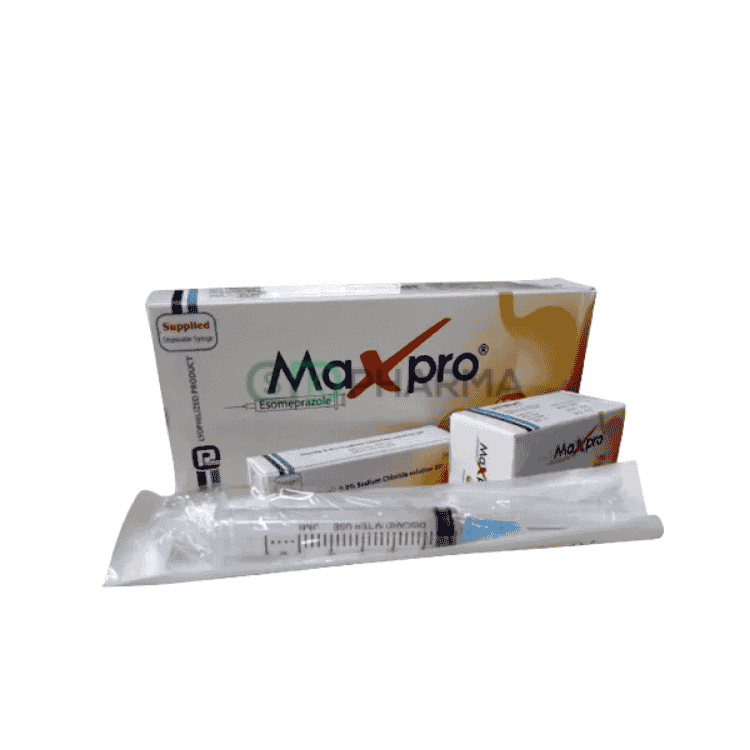
Maxpro Injection 40 mg/vial (Esomeprazole)
Durogesic Patch 50 mcg/hour (Fentanyl Citrate)

Daclin Capsule 150 mg (Clindamycin)
Navacef Suspension 125 mg/5 ml (Cefaclor Monohydrate)
Product Queries (0)
Login Or Registerto submit your questions to seller
Other Questions
No none asked to seller yet
-
৳18.80
৳20.00 -
৳3.33
৳3.50 -
৳5.64
৳6.00 -
৳8.46
৳9.00


