


Esonix Powder 20 mg (Esomeprazole)
-
 ৳18.80
৳20.00 -
৳3.33
৳3.50 -
৳5.64
৳6.00 -
৳8.46
৳9.00
![Recur Tablet 1 mg (Finasteride [For Androgenic Alopecia])](https://skpharma.com.bd/public/uploads/all/mqB5zpgTubYSB0CMtn0XXhQtwBc22ia6JfYbyrMt.png)


Reviews & Ratings
Esonix 20 mg contains Esomeprazole, a proton pump inhibitor that effectively suppresses gastric acid secretion. It is widely prescribed for the treatment and prevention of acid-related gastrointestinal disorders. By reducing excess stomach acid, Esonix 20 mg helps relieve symptoms, promotes healing of damaged mucosa, and prevents recurrence of acid-related conditions when used as directed.
রেজিস্টার্ড চিকিৎসকের পরামর্শ অনুযায়ী ঔষধ সেবন করুন
Indications
Esonix 20 mg is indicated for the management of:
-
Gastroesophageal Reflux Disease (GERD) and associated symptoms such as persistent heartburn
-
Erosive esophagitis, including treatment and maintenance of healing
-
Helicobacter pylori eradication in patients with duodenal ulcer disease, when used in combination with amoxicillin and clarithromycin
-
Zollinger–Ellison syndrome
-
Duodenal and gastric ulcers caused by acid dyspepsia
Dosage and Administration
Healing of Erosive Esophagitis
-
20 mg or 40 mg once daily for 4–8 weeks
Maintenance of Healing of Erosive Esophagitis
-
20 mg once daily
Symptomatic GERD
-
20 mg once daily for 4 weeks
-
If symptoms persist, treatment may be extended for an additional 4 weeks
Helicobacter pylori Eradication (Triple Therapy)
-
Esomeprazole 40 mg once daily
-
Amoxicillin 1000 mg twice daily
-
Clarithromycin 500 mg twice daily
-
Duration: 10 days
Zollinger–Ellison Syndrome
-
20–80 mg once daily, adjusted individually
Acid-related Dyspepsia
-
20–40 mg once daily for 2–4 weeks
Duodenal Ulcer
-
20 mg once daily for 2–4 weeks
Gastric Ulcer
-
20–40 mg once daily for 4–8 weeks
Intravenous Use
-
40 mg once daily by slow IV injection (minimum 3 minutes) or infusion (10–30 minutes)
-
IV therapy should be discontinued as soon as oral therapy is feasible
Safety and efficacy in pediatric patients have not been established.
Method of Administration
-
Take Esonix 20 mg one hour before meals
-
Swallow capsules whole; do not crush or chew
-
For delayed-release oral suspension, prepare with water as directed and consume within 30 minutes
-
IV formulation should be reconstituted with the recommended solvent and administered slowly
Drug Interactions
-
Metabolized mainly by CYP2C19 and CYP3A4
-
May reduce absorption of drugs affected by gastric pH, such as ketoconazole, iron salts, and digoxin
-
Can increase plasma levels of diazepam
-
No clinically significant interaction reported with amoxicillin, clarithromycin, phenytoin, warfarin, or oral contraceptives
Contraindications
-
Hypersensitivity to esomeprazole or any component of the formulation
Side Effects
Common side effects include:
-
Headache
-
Diarrhea
-
Nausea
-
Flatulence
-
Abdominal pain
-
Constipation
-
Dry mouth
Long-term maintenance therapy shows a similar safety profile to short-term use.
Precautions and Warnings
-
Symptomatic relief does not exclude the presence of gastric malignancy
-
Capsules should be taken at least one hour before meals
-
For patients with difficulty swallowing, capsule contents may be mixed with soft, cold applesauce and swallowed immediately without chewing
-
Antacids may be used concomitantly if required
Overdose
-
No specific antidote is available
-
Management includes supportive and symptomatic treatment
-
Hemodialysis is unlikely to be effective due to high protein binding
Storage Conditions
-
Store in a dry place below 30°C
-
Protect from moisture and light
-
Keep out of reach of children
Mechanism of Action
Esomeprazole inhibits the H⁺/K⁺-ATPase enzyme system in gastric parietal cells, blocking the final step of acid production. As the S-isomer of omeprazole, it provides more consistent acid suppression and improved therapeutic outcomes compared to racemic proton pump inhibitors.
Use in Special Populations
-
Pregnancy & Lactation: Use only if clearly necessary; breastfeeding should be discontinued if therapy is required
-
Geriatric Use: No significant differences in safety or efficacy observed
-
Hepatic Impairment: In severe hepatic impairment, the dose should not exceed 20 mg once daily
-
Renal Impairment: No dosage adjustment required
Related Products


Rilovir Tablet 200 mg+50 mg (Lopinavir + Ritonavir)

Kilbac Tablet 250 mg (Cefuroxime Axetil)

Sefanid Capsule 500 mg (Cefadroxil Monohydrate)
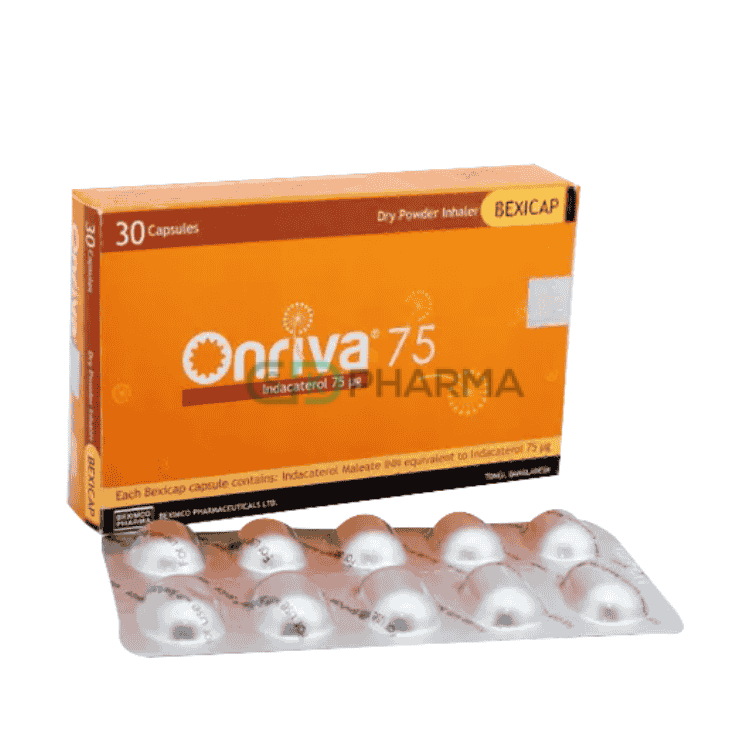
Onriva Inhalation Capsule 75 mcg (Indacaterol Maleate)
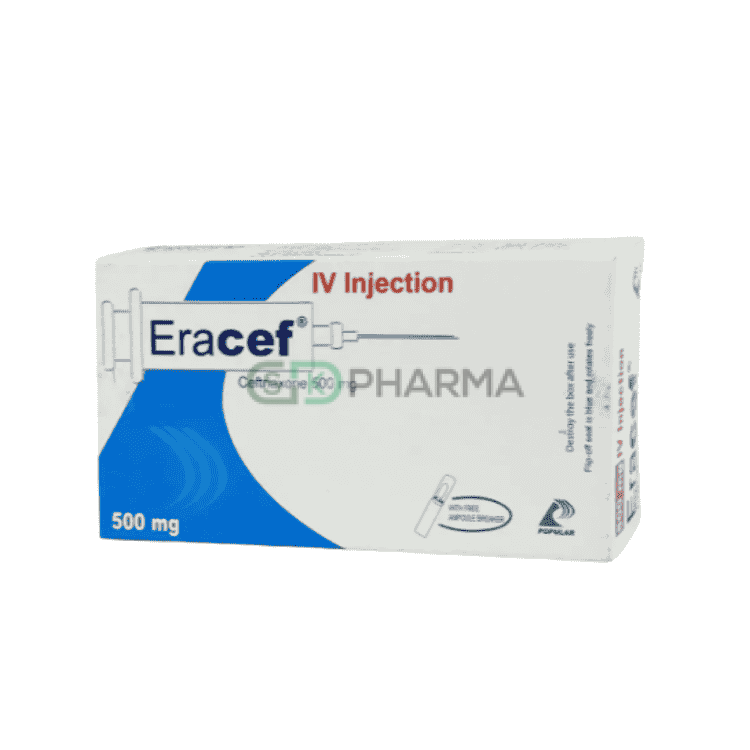
Eracef Injection 500 mg/vial IV (Ceftriaxone Sodium)
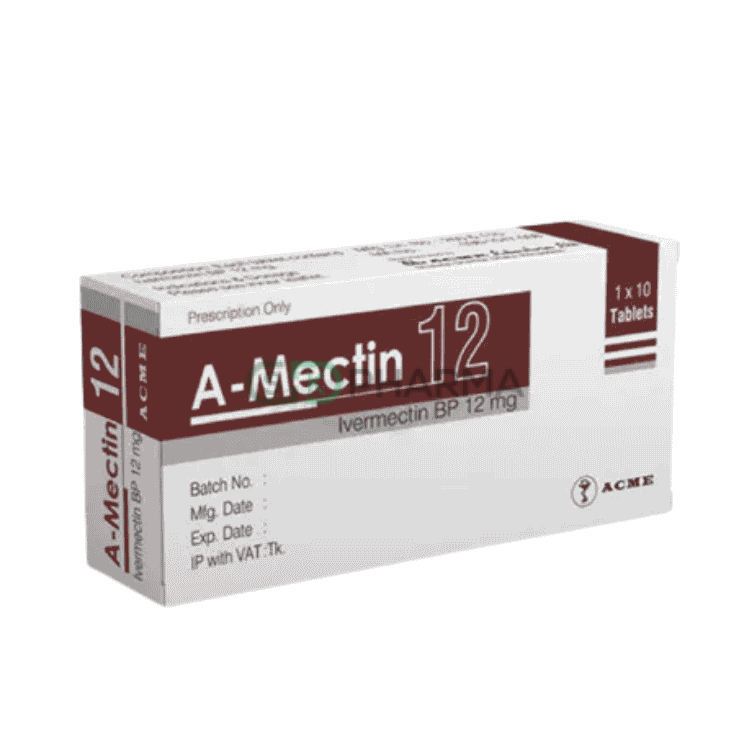
A-Mectin Tablet 12 mg (Ivermectin)

Product Queries (0)
Login Or Registerto submit your questions to seller
Other Questions
No none asked to seller yet
-
৳18.80
৳20.00 -
৳3.33
৳3.50 -
৳5.64
৳6.00 -
৳8.46
৳9.00


