


Flamyd Injection 500 mg/100 ml (Metronidazole)
-
 ৳18.80
৳20.00 -
৳3.33
৳3.50 -
৳5.64
৳6.00 -
৳32.90
৳35.00
![Recur Tablet 1 mg (Finasteride [For Androgenic Alopecia])](https://skpharma.com.bd/public/uploads/all/mqB5zpgTubYSB0CMtn0XXhQtwBc22ia6JfYbyrMt.png)

Reviews & Ratings
Flamyd Injection 500 mg/100 ml contains Metronidazole, a widely used antimicrobial agent belonging to the nitroimidazole class. It is formulated as an intravenous infusion for the treatment of anaerobic bacterial infections and certain protozoal infections. Metronidazole is highly effective against anaerobic bacteria and protozoa due to its ability to disrupt DNA synthesis, leading to cell death. Flamyd Injection provides rapid systemic drug delivery, making it suitable for severe infections where oral administration is not feasible.
This formulation is commonly used in hospitalized patients with severe gastrointestinal, gynecological, respiratory, skin, or soft tissue infections. It is also effective for systemic infections caused by Bacteroides, Clostridium, Gardnerella vaginalis, and Trichomonas vaginalis. Flamyd Injection ensures consistent plasma levels of Metronidazole and is especially valuable for patients who cannot tolerate oral therapy or require immediate therapeutic levels.
রেজিস্টার্ড চিকিৎসকের পরামর্শ অনুযায়ী ঔষধ সেবন করুন
Indications
Flamyd Injection 500 mg/100 ml is indicated for the treatment of:
-
Anaerobic bacterial infections, including intra-abdominal infections, peritonitis, abscesses, and septicemia
-
Gynecological infections, such as bacterial vaginosis, pelvic inflammatory disease, and endometritis
-
Respiratory tract infections caused by susceptible anaerobic bacteria
-
Skin and soft tissue infections, including diabetic foot infections and wound infections
-
Protozoal infections, such as trichomoniasis, giardiasis, and amebiasis
-
Perioperative prophylaxis in surgeries with high risk of anaerobic infections
Therapeutic Class
-
Nitroimidazole antibiotic
-
Antiprotozoal agent
Pharmacology
Metronidazole exerts its antimicrobial action by penetrating microbial cells and undergoing reductive activation of its nitro group by anaerobic organisms. The reactive intermediates formed bind to microbial DNA, leading to strand breakage and inhibition of nucleic acid synthesis. This results in cell death and eradication of the infection.
Metronidazole is bactericidal against most anaerobes and trichomonacidal against protozoa. It is well-distributed in body fluids and tissues, including cerebrospinal fluid, bile, liver, and bone, ensuring effective treatment of systemic infections.
Dosage & Administration
-
Adult Dose: Typically 500 mg intravenously every 8 hours, depending on the severity of infection.
-
Infusion: Dilute 500 mg in 100 ml of compatible IV fluid (such as 5% dextrose or 0.9% saline) and administer over 30–60 minutes.
-
Duration: Usually 7–10 days, but may be extended based on infection type and clinical response.
-
Pediatric Dose: Based on body weight and clinical judgment.
Important: Adjust doses in patients with hepatic impairment, as Metronidazole is metabolized in the liver.
Interaction
Metronidazole may interact with:
-
Alcohol – concurrent use may cause a disulfiram-like reaction (flushing, nausea, vomiting, tachycardia)
-
Warfarin – may increase anticoagulant effect
-
Lithium, phenytoin, and cyclosporine – monitor for increased levels or toxicity
Contraindications
-
Hypersensitivity to Metronidazole or other nitroimidazole derivatives
-
First trimester of pregnancy (use only if clearly needed)
-
Severe liver disease or blood dyscrasias
Side Effects
Common adverse effects may include:
-
Nausea, vomiting, and metallic taste
-
Headache, dizziness, or fatigue
-
Injection site reactions (pain or phlebitis)
-
Rare: Neurotoxicity (seizures, peripheral neuropathy), hypersensitivity reactions, or hepatotoxicity
Pregnancy & Lactation
-
Pregnancy: Avoid during the first trimester unless benefits outweigh risks.
-
Lactation: Excreted in breast milk; temporary discontinuation of breastfeeding is recommended during therapy.
Precautions & Warnings
-
Use with caution in patients with hepatic impairment
-
Monitor for neurological symptoms in prolonged therapy
-
Avoid alcohol during and for 48 hours after treatment
-
Ensure adequate hydration to prevent crystalluria
Storage Conditions
Store below 25°C, protected from light. Keep out of the reach of children. Do not use if the solution is discolored or contains precipitates.
Mode of Action
Metronidazole is reduced in anaerobic bacteria and protozoa to cytotoxic compounds that bind to DNA, inhibiting replication and transcription, leading to cell death. Its selectivity for anaerobic organisms and protozoa makes it a highly effective treatment for systemic and localized infections.
Related Products

Darota Tablet 300 mg (Darolutamide)

Rutix Tablet 400 mg (Ofloxacin)
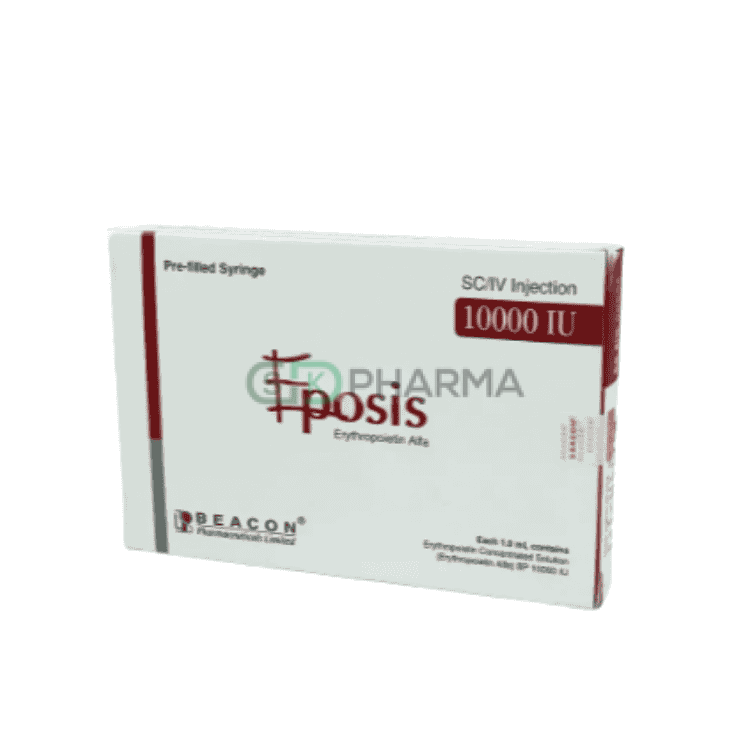
Eposis Injection 10000 IU (Erythropoietin Alfa)
Trazuma Injection 440 mg/20 ml (Trastuzumab)

Azithrocin Injection 500 mg/vial (Azithromycin Dihydrate)
Starcef DS Suspension 200 mg/5 ml (Cefixime Trihydrate)
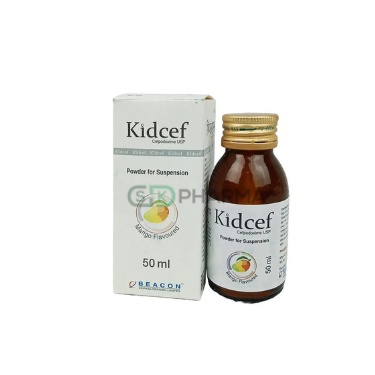
Kidcef Suspension 40 mg/5 ml (Cefpodoxime Proxetil)

Levobac Tablet 500 mg (Levofloxacin Hemihydrate)
![Ceevit Forte Tablet 1000 mg (Vitamin C [Ascorbic acid])](https://skpharma.com.bd/public/uploads/all/18Zl7OxACm2aJcaHP1RdMGtZ4RNpG6KGXTUzRVh5.png)
Ceevit Forte Tablet 1000 mg (Vitamin C [Ascorbic acid])

Imec Tablet 6 mg (Ivermectin (Tablet))
Product Queries (0)
Login Or Registerto submit your questions to seller
Other Questions
No none asked to seller yet
-
৳18.80
৳20.00 -
৳3.33
৳3.50 -
৳5.64
৳6.00 -
৳32.90
৳35.00


