


Geficent Tablet 250 mg (Gefitinib)
-
 ৳18.80
৳20.00 -
৳3.33
৳3.50 -
৳5.64
৳6.00 -
৳32.90
৳35.00
![Recur Tablet 1 mg (Finasteride [For Androgenic Alopecia])](https://skpharma.com.bd/public/uploads/all/mqB5zpgTubYSB0CMtn0XXhQtwBc22ia6JfYbyrMt.png)

Reviews & Ratings
Geficent 250 mg Tablet is an oral targeted therapy containing Gefitinib, a potent epidermal growth factor receptor (EGFR) tyrosine kinase inhibitor. It is designed for the treatment of patients with metastatic non-small cell lung cancer (NSCLC) harboring specific EGFR mutations (exon 19 deletions or exon 21 L858R substitution), providing a first-line therapy option. Geficent selectively blocks abnormal EGFR signaling in cancer cells, inhibiting tumor growth and proliferation while sparing normal cells.
রেজিস্টার্ড চিকিৎসকের পরামর্শ অনুযায়ী ঔষধ সেবন করুন
Indications
Geficent 250 mg is indicated for:
-
First-line treatment of metastatic NSCLC in patients whose tumors exhibit EGFR exon 19 deletions or exon 21 (L858R) substitution mutations, as confirmed by an FDA-approved test.
This therapy is particularly valuable for patients with EGFR-positive tumors who require a targeted and effective oral treatment option.
Therapeutic Class
-
Targeted Cancer Therapy (EGFR Tyrosine Kinase Inhibitor)
Pharmacology
Geficent 250 mg selectively binds to the ATP-binding site of the EGFR tyrosine kinase, blocking its activity. EGFR is overexpressed in many carcinoma cells, including lung and breast cancers, leading to inappropriate activation of the Ras signaling pathway, uncontrolled cell proliferation, and tumor growth. By inhibiting EGFR, Geficent interrupts this cascade, inducing apoptosis and reducing malignant cell proliferation.
As a first-generation EGFR inhibitor, Geficent targets tumor cells with activating EGFR mutations while sparing most normal tissues, which contributes to its tolerable safety profile.
Dosage and Administration
-
Recommended dose: 250 mg orally once daily, with or without food
-
Continue therapy until disease progression or unacceptable toxicity occurs
-
If a dose is missed, do not take it within 12 hours of the next scheduled dose
Special administration for patients with difficulty swallowing:
-
Dissolve the tablet in 4–8 ounces of water, stir for ~15 minutes, and consume immediately.
-
Rinse the container with additional water and drink immediately, or administer via nasogastric tube if required.
Drug Interactions
-
CYP3A4 inducers (e.g., rifampicin, phenytoin, carbamazepine, barbiturates) may reduce plasma levels
-
CYP3A4 inhibitors (e.g., itraconazole, ketoconazole) may increase plasma levels
-
Can increase INR or bleeding risk with warfarin
-
May increase metoprolol levels
-
Potentially exacerbates vinorelbine-induced neutropenia
-
Drugs affecting gastric pH (PPIs, H2 antagonists) may reduce absorption and efficacy
Contraindications
-
Known hypersensitivity to Gefitinib or any component of the tablet
-
Lactation
Side Effects
Common adverse effects include:
-
Rash, pruritus, urticaria, alopecia
-
Diarrhea, nausea, vomiting, anorexia, stomatitis
-
Dry skin and mouth
-
Epistaxis, hematuria
-
Nail disorders, eye pain, corneal erosion or ulcer, aberrant eyelash growth
-
Laboratory abnormalities: elevated creatinine, proteinuria
Rare but severe effects: -
Interstitial lung disease (ILD), pancreatitis, toxic epidermal necrolysis, ocular ischemia, ocular hemorrhage, erythema multiforme
Pregnancy and Lactation
-
Pregnancy category D: positive evidence of fetal risk
-
Use only if benefits outweigh potential risks
-
Effective contraception recommended during treatment
Precautions and Warnings
-
Interstitial Lung Disease (ILD): discontinue if confirmed
-
Hepatotoxicity: monitor liver function; discontinue for severe impairment
-
Gastrointestinal perforation: discontinue if it occurs
-
Diarrhea: withhold for Grade 3+ events
-
Ocular disorders: withhold for severe keratitis; discontinue for persistent ulcers
-
Severe skin reactions: withhold or discontinue for Grade 3+ events
-
Embryo-fetal toxicity: advise contraception for women of reproductive potential
Use in Special Populations
-
Pediatric: safety and efficacy not established
-
Geriatric: no overall differences in safety, but efficacy data limited
Storage Conditions
-
Store at 20–25°C
-
Protect from moisture and light
-
Keep out of reach of children
Related Products
Normoglobin Injection 500 mg/10 ml (Human immunoglobulin-G)

Prelin Capsule 50 mg (Pregabalin)

Xadu Tablet 70 mg (Roxadustat)

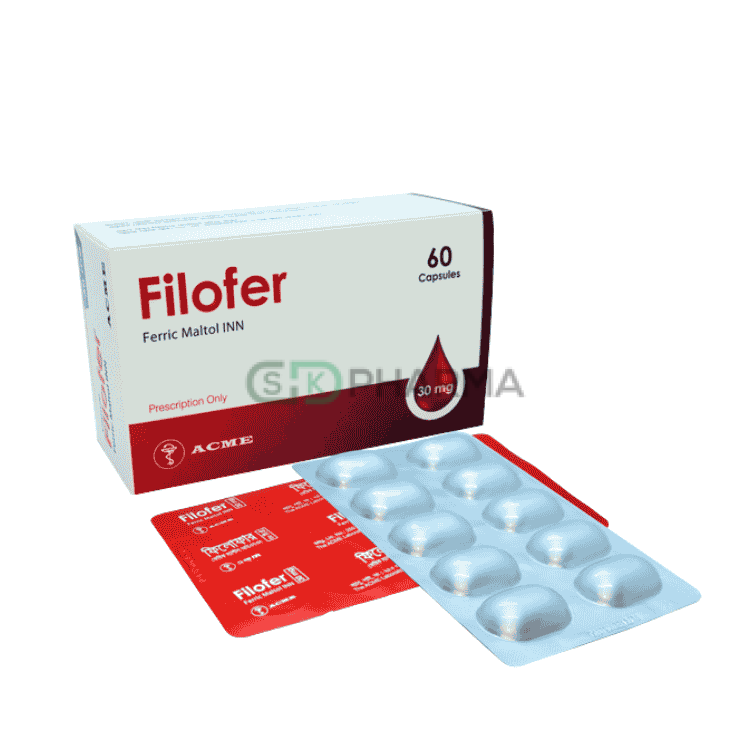
Filofer Capsule 30 mg (Ferric Maltol)

Zolfin Tablet 100 mg (Aceclofenac)
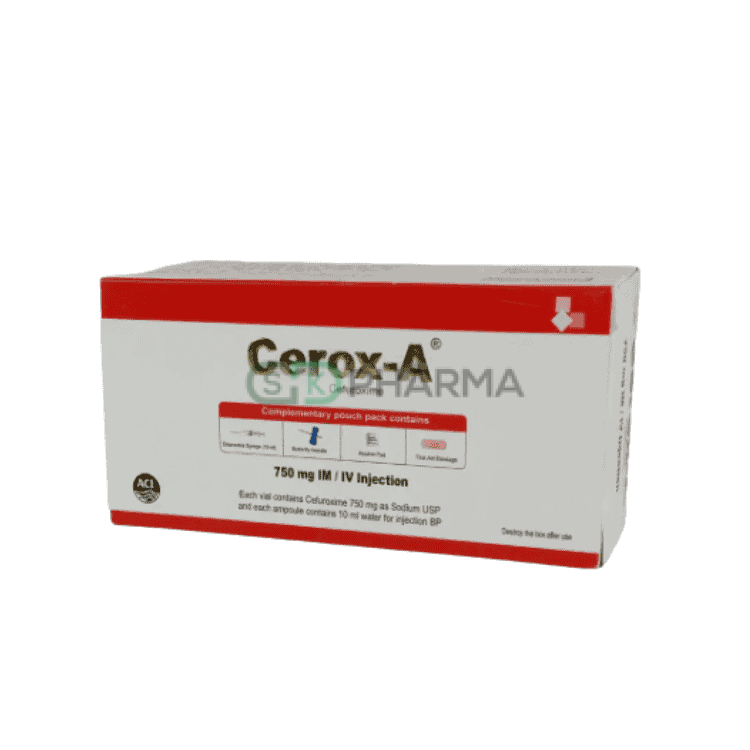
Cerox-A Injection 750 mg/vial (Cefuroxime Axetil)

Aldonist Tablet 25 mg (Eplerenone)
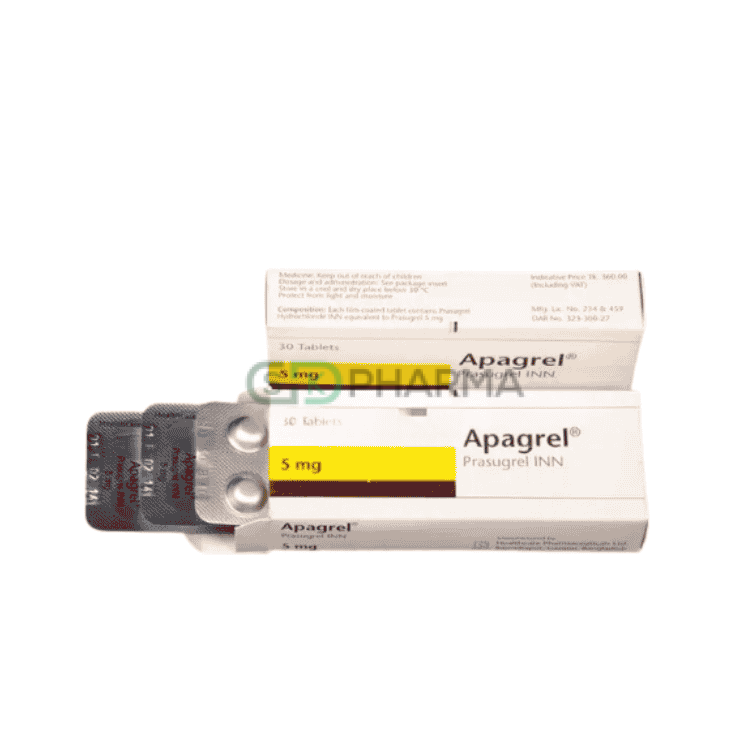
Apagrel Tablet 5 mg (Prasugrel Hydrochloride)
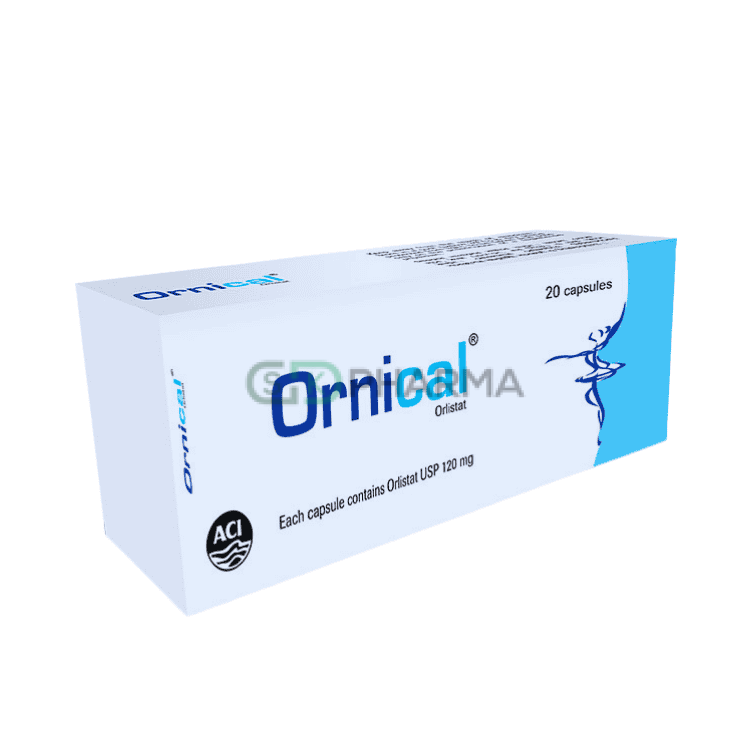
Ornical Capsule 120 mg (Orlistat)
Product Queries (0)
Login Or Registerto submit your questions to seller
Other Questions
No none asked to seller yet
-
৳18.80
৳20.00 -
৳3.33
৳3.50 -
৳5.64
৳6.00 -
৳32.90
৳35.00


