


Inj. K MM Injection 2 mg/0.2 ml (Phytomenadione (Injection))
-
 ৳18.80
৳20.00 -
৳3.33
৳3.50 -
৳5.64
৳6.00 -
৳8.46
৳9.00
![Recur Tablet 1 mg (Finasteride [For Androgenic Alopecia])](https://skpharma.com.bd/public/uploads/all/mqB5zpgTubYSB0CMtn0XXhQtwBc22ia6JfYbyrMt.png)

Reviews & Ratings
Inj. K MM contains Phytomenadione, also known as Vitamin K1, in a concentration of 2 mg per 0.2 ml. Vitamin K is an essential fat-soluble vitamin that plays a crucial role in the coagulation cascade, supporting normal blood clotting and preventing excessive bleeding. This injectable form is used when rapid correction of Vitamin K deficiency or coagulopathy is required, especially in clinical situations where oral administration is not feasible or effective.
Phytomenadione is particularly important in newborns, patients with liver dysfunction, or individuals receiving anticoagulant therapy who may be at risk of bleeding due to impaired clotting factor synthesis.
রেজিস্টার্ড চিকিৎসকের পরামর্শ অনুযায়ী ঔষধ সেবন করুন
Therapeutic Class
Vitamin and Mineral Preparations – Fat-Soluble Vitamins
Pharmacology
Phytomenadione is a natural form of Vitamin K1. It serves as a cofactor for the gamma-carboxylation of glutamic acid residues on the N-terminal regions of Vitamin K-dependent proteins, which include coagulation factors II (prothrombin), VII, IX, and X, as well as proteins C and S.
By activating these clotting factors, Vitamin K1 enables the formation of thrombin and the subsequent conversion of fibrinogen to fibrin, ultimately leading to stable blood clot formation. In the absence of adequate Vitamin K, these factors remain inactive, resulting in prolonged clotting time and an increased risk of bleeding.
Indications
Inj. K MM 2 mg/0.2 ml is indicated for:
-
Prevention and treatment of hemorrhagic disease of the newborn
-
Vitamin K deficiency bleeding (VKDB) in infants and children
-
Coagulopathy associated with oral anticoagulant overdose (e.g., warfarin)
-
Liver disease-related deficiency of clotting factors
-
Situations requiring rapid correction of prolonged prothrombin time
Dosage and Administration
Neonates (newborns):
-
Standard prophylactic dose: 0.5–1 mg intramuscularly immediately after birth
Children and Adults:
-
Dose depends on the severity of deficiency and clinical indication. Typically administered intravenously (IV) or intramuscularly (IM) as prescribed by a healthcare professional.
Administration Notes:
-
IM injection is preferred in neonates and infants to reduce the risk of hematoma.
-
IV administration should be slow, under clinical supervision, to avoid anaphylactic reactions.
-
Repeated dosing may be required in chronic deficiency or ongoing anticoagulant therapy.
Drug Interactions
-
Anticoagulants (Warfarin, Acenocoumarol): Vitamin K antagonizes the effect, reducing anticoagulation.
-
Cholestyramine and antibiotics: May reduce absorption of oral Vitamin K, requiring monitoring.
Contraindications
-
Hypersensitivity to Phytomenadione or any component of the formulation
-
Severe anaphylactic reaction history with Vitamin K injections
Side Effects
While generally safe when administered correctly, possible adverse effects include:
-
Mild: Pain, redness, or swelling at the injection site
-
Rare: Anaphylaxis, hypotension, flushing, dyspnea, or chest discomfort
-
Local irritation, particularly after IV administration if injected rapidly
Precautions and Warnings
-
Administer slowly via IV to minimize risk of severe reactions
-
Monitor patients for allergic reactions during and after injection
-
Use caution in patients with liver disease or coexisting conditions affecting coagulation
Pregnancy and Lactation
-
Pregnancy Category A: Safe when administered as indicated.
-
Vitamin K is generally safe during lactation; it can help prevent hemorrhagic disease in breastfed infants.
Storage Conditions
-
Store in a cool, dry place below 25°C, protected from light
-
Keep out of reach of children
-
Do not use if the solution is discolored or contains precipitate
Conclusion
Inj. K MM 2 mg/0.2 ml is a vital medication for rapid correction of Vitamin K deficiency and management of coagulopathies. Its precise formulation ensures safety and efficacy in neonates, children, and adults, providing an essential role in preventing bleeding complications and supporting normal hemostasis.
Related Products
Gefinix Tablet 250 mg (Gefitinib)
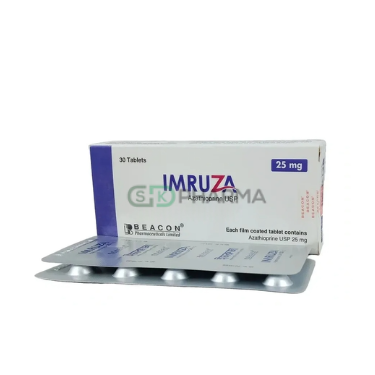
Imruza Tablet 25 mg (Azathioprine)

Prelin Capsule 100 mg (Pregabalin)
Dsec MUPS Tablet 30 mg (Dexlansoprazole)


![Menoaid Capsule 40 mg (Black Cohosh [Cimicifuga Racemosa])](https://skpharma.com.bd/public/uploads/all/o1nfGsizbxrDsmcCNEbVHUXXkurLnoHAv3RaWCM0.png)
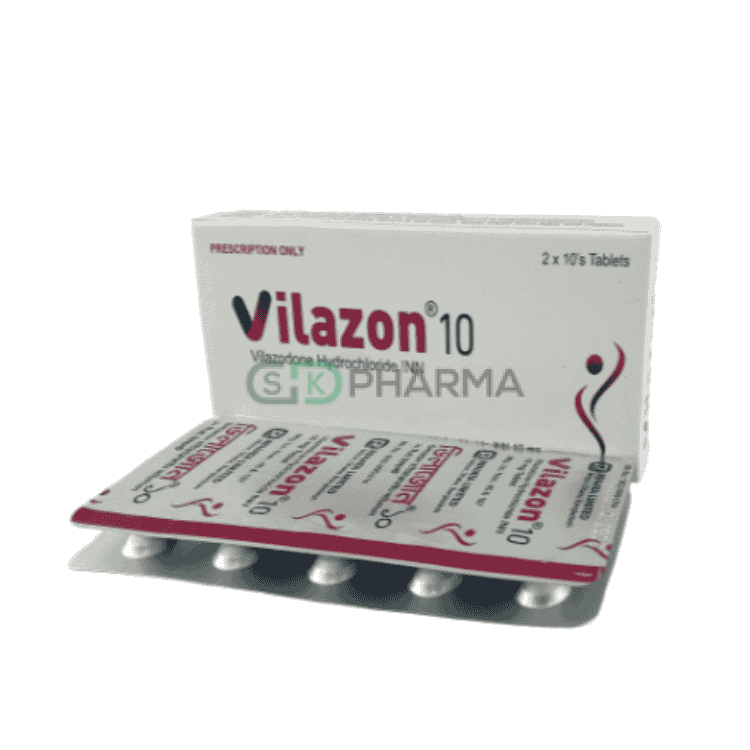
Vilazon Tablet 10 mg (Vilazodone Hydrochloride)
Product Queries (0)
Login Or Registerto submit your questions to seller
Other Questions
No none asked to seller yet
-
৳18.80
৳20.00 -
৳3.33
৳3.50 -
৳5.64
৳6.00 -
৳8.46
৳9.00


