


Maxima MUPS Tablet 20 mg (Esomeprazole (MUPS preparation))
-
 ৳18.80
৳20.00 -
৳3.33
৳3.50 -
৳5.64
৳6.00 -
৳32.90
৳35.00
![Recur Tablet 1 mg (Finasteride [For Androgenic Alopecia])](https://skpharma.com.bd/public/uploads/all/mqB5zpgTubYSB0CMtn0XXhQtwBc22ia6JfYbyrMt.png)


Reviews & Ratings
Maxima MUPS 20 mg contains Esomeprazole, a proton pump inhibitor (PPI) that effectively reduces gastric acid secretion by inhibiting the H+/K+-ATPase enzyme system in the stomach’s parietal cells. As the S-isomer of omeprazole, Esomeprazole provides enhanced and sustained acid control, promoting healing of acid-related gastrointestinal conditions.
The MUPS (Multiple Unit Pellet System) formulation ensures uniform distribution of the drug and consistent absorption, improving therapeutic outcomes and patient convenience.
রেজিস্টার্ড চিকিৎসকের পরামর্শ অনুযায়ী ঔষধ সেবন করুন
Indications
Maxima MUPS 20 mg is indicated for:
-
Relief of symptoms of Gastroesophageal Reflux Disease (GERD), including persistent heartburn
-
Treatment of erosive esophagitis
-
Maintenance of healing of erosive esophagitis
-
Eradication of Helicobacter pylori infection in combination with amoxicillin and clarithromycin to reduce duodenal ulcer recurrence
-
Zollinger–Ellison syndrome
-
Duodenal and gastric ulcers
-
Acid-related dyspepsia
Dosage and Administration
Healing of Erosive Esophagitis:
20 mg or 40 mg once daily for 4–8 weeks. An additional 4–8 weeks may be considered if healing is incomplete.
Maintenance of Healing:
20 mg once daily (clinical studies up to 6 months).
Symptomatic GERD:
20 mg once daily for 4 weeks. May continue for an additional 4 weeks if needed.
Helicobacter pylori Eradication (Triple Therapy):
-
Esomeprazole 40 mg once daily for 10 days
-
Amoxicillin 1000 mg twice daily for 10 days
-
Clarithromycin 500 mg twice daily for 10 days
Zollinger–Ellison Syndrome:
20–80 mg once daily, adjusted individually.
Acid-related Dyspepsia:
20–40 mg once daily for 2–4 weeks.
Duodenal Ulcer:
20 mg once daily for 2–4 weeks.
Gastric Ulcer:
20–40 mg once daily for 4–8 weeks.
Administration Guidelines:
-
Take one tablet or capsule at least one hour before meals.
-
Swallow whole; do not chew or crush.
-
For oral suspension, mix the contents with 15 ml of water, stir, allow to thicken for 2–3 minutes, and consume within 30 minutes.
-
For IV use, administer 40 mg once daily by slow intravenous injection (minimum 3 minutes) or infusion (10–30 minutes).
Drug Interactions
Esomeprazole is metabolized mainly by CYP2C19 and CYP3A4. It generally does not significantly interact with phenytoin, warfarin, quinidine, amoxicillin, or clarithromycin. However:
-
May reduce diazepam clearance
-
May affect absorption of drugs dependent on gastric pH (e.g., ketoconazole, iron salts, digoxin)
-
Co-administration with clarithromycin increases esomeprazole plasma levels
Contraindications
Contraindicated in patients with known hypersensitivity to esomeprazole or any component of the formulation.
রেজিস্টার্ড চিকিৎসকের পরামর্শ অনুযায়ী ঔষধ সেবন করুন
Side Effects
Common side effects include:
-
Headache
-
Diarrhea
-
Nausea
-
Abdominal pain
-
Flatulence
-
Constipation
-
Dry mouth
Long-term maintenance therapy up to 12 months shows no significant difference in adverse event profile compared to short-term use.
Precautions and Warnings
-
Symptomatic response does not exclude gastric malignancy.
-
Use cautiously in severe hepatic impairment (do not exceed 20 mg daily).
-
Long-term therapy may be associated with vitamin B12 deficiency or electrolyte imbalance.
-
Safety in pediatric patients has not been established.
-
Use in pregnancy only if clearly needed; breastfeeding should be discontinued if therapy is essential.
Overdose
No specific antidote exists. In case of overdose, provide symptomatic and supportive treatment. Due to high protein binding, dialysis is not expected to be effective.
Storage Conditions
Store below 30°C in a dry place. Protect from light and moisture. Keep out of reach of children.
Mode of Action
Esomeprazole selectively inhibits the gastric proton pump, blocking the final step of acid production. Peak plasma concentration occurs approximately 1.5 hours after oral administration. The drug is highly protein-bound (97%) and primarily metabolized in the liver via CYP2C19 and CYP3A4. Approximately 80% of the dose is excreted in urine as inactive metabolites, with the remainder eliminated in feces.
Related Products
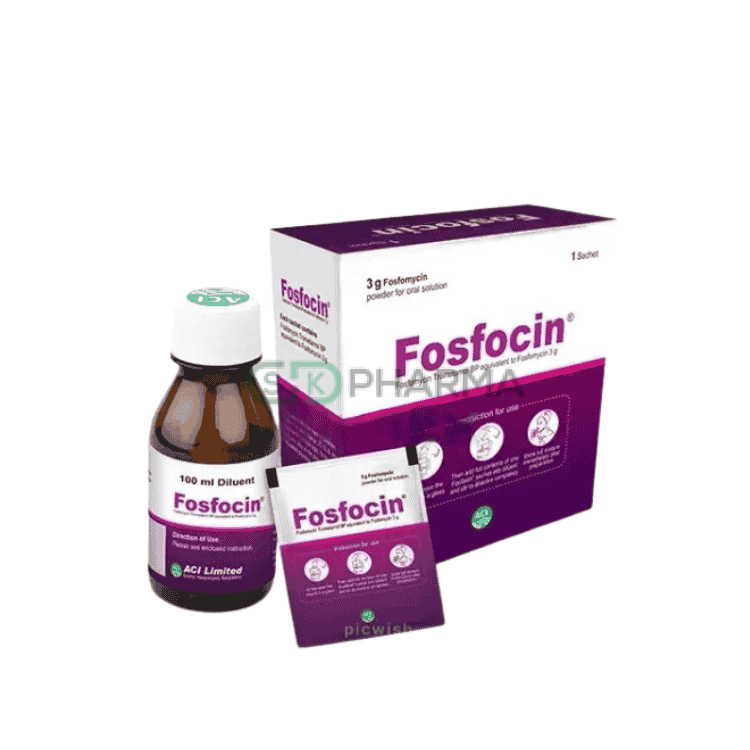
Fosfocin Powder 3 gm/sachet (Fosfomycin Trometamol)
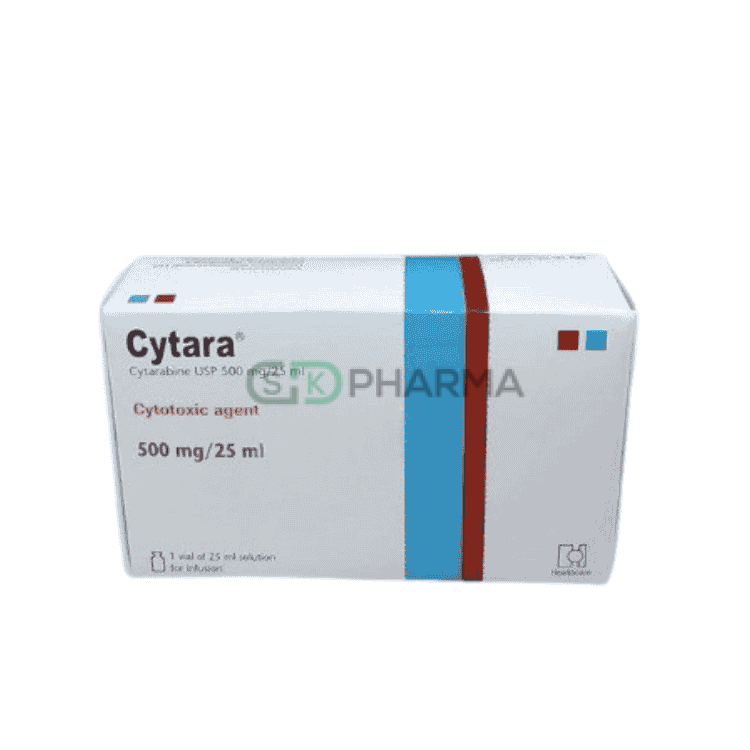
Cytara Injection 500 mg/vial (Cytarabine
![Inovit E Capsule 200 mg (Vitamin E [Alpha Tocopherol Acetate])](https://skpharma.com.bd/public/uploads/all/a7N61TE0Utm4D27ZwQ0nLTvgmAnzvv7NgcdstHSd.png)

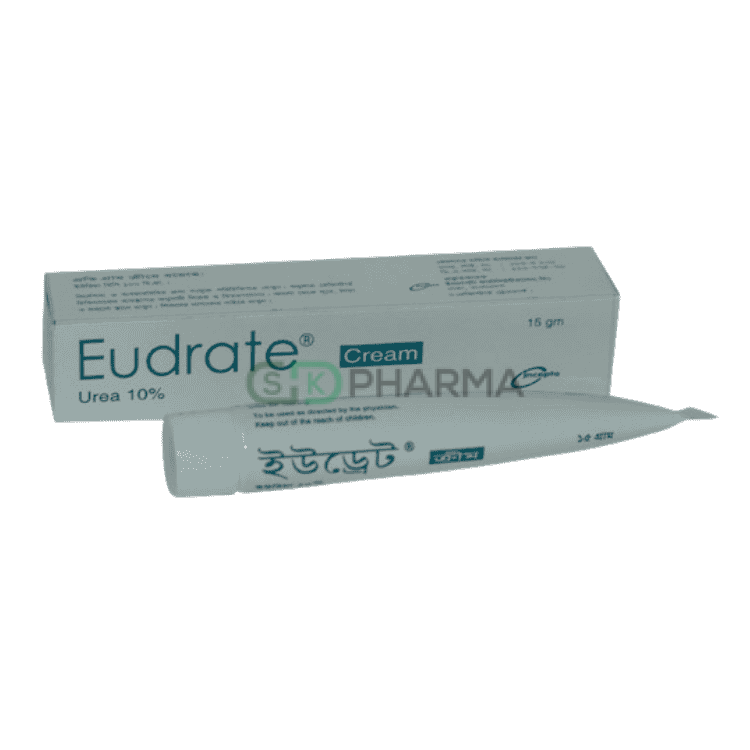
Eudrate Cream 10% w/w (Urea (10%))

Rifax Tablet 550 mg (Rifaximin)

Vastigro Capsule 3 mg (Rivastigmine Tartrate)
Product Queries (0)
Login Or Registerto submit your questions to seller
Other Questions
No none asked to seller yet
-
৳18.80
৳20.00 -
৳3.33
৳3.50 -
৳5.64
৳6.00 -
৳32.90
৳35.00


