


Premil Tablet 0.5 mg (Repaglinide)
-
 ৳18.80
৳20.00 -
৳3.33
৳3.50 -
৳5.64
৳6.00 -
৳8.46
৳9.00

![Recur Tablet 1 mg (Finasteride [For Androgenic Alopecia])](https://skpharma.com.bd/public/uploads/all/mqB5zpgTubYSB0CMtn0XXhQtwBc22ia6JfYbyrMt.png)
Reviews & Ratings
Premil 0.5 mg is an oral antidiabetic medicine belonging to the meglitinide analogue class. It is indicated as an adjunct to diet and exercise for improving glycemic control in patients with type 2 diabetes mellitus (NIDDM). Premil is particularly effective in controlling postprandial blood glucose levels by stimulating rapid, short-acting insulin secretion. It can be used as monotherapy or in combination with Metformin when adequate glycemic control is not achieved with diet, exercise, and a single agent alone.
রেজিস্টার্ড চিকিৎসকের পরামর্শ অনুযায়ী ঔষধ সেবন করুন
Indications
Premil 0.5 mg is indicated for:
-
Type 2 diabetes mellitus (NIDDM) as an adjunct to diet and exercise
-
Patients whose hyperglycemia cannot be adequately controlled by diet and exercise alone
-
Combination therapy with Metformin in patients inadequately controlled on either Premil or Metformin monotherapy
Therapeutic Class
Meglitinide Analogues
Pharmacology
Premil 0.5 mg stimulates insulin secretion from pancreatic β-cells. It acts by inhibiting potassium (K⁺) efflux through ATP-regulated potassium channels in the β-cell membrane. This inhibition leads to membrane depolarization, opening of voltage-dependent calcium channels, and increased intracellular calcium influx. The rise in intracellular calcium triggers insulin release. The insulinotropic effect of Premil is glucose-dependent and primarily targets postprandial hyperglycemia.
Dosage and Administration
Premil 0.5 mg should be taken immediately before or up to 30 minutes prior to meals.
-
The drug may be taken 2, 3, or 4 times daily depending on meal frequency
-
If a meal is skipped, the corresponding dose should also be skipped
-
If an extra meal is taken, an additional dose should be taken with that meal
-
Missed doses should not be taken between meals
Dosage Range:
-
0.5 mg to 4 mg before each meal
-
Maximum daily dose: 16 mg
Initial Dose:
-
HbA1c <8%: 0.5 mg before each meal
-
HbA1c >8% or previously treated patients: 1–2 mg before each meal
Dose adjustments should be made at 1–2 week intervals based on glycemic response.
Drug Interactions
The dose of Premil 0.5 mg may require adjustment when co-administered with other medications:
-
CYP450 inhibitors (e.g., azole antifungals, macrolides) may increase drug exposure
-
CYP450 inducers (e.g., Rifampin, Phenobarbital, Carbamazepine) may reduce efficacy
-
Highly protein-bound drugs (e.g., NSAIDs) may increase hypoglycemic risk
-
Other hypoglycemic agents and drugs such as salicylates, sulphonamides, MAO inhibitors, and beta-blockers may increase the risk of hypoglycemia
-
No clinically significant interaction with Digoxin, Theophylline, Warfarin, or Cimetidine
Contraindications
Premil 0.5 mg is contraindicated in patients with:
-
Diabetic ketoacidosis, with or without coma
-
Type 1 diabetes mellitus
-
Known hypersensitivity to Premil or any of its components
Side Effects
The most commonly reported adverse effect is hypoglycemia. Other possible side effects include:
-
Upper respiratory tract infections
-
Diarrhea or constipation
-
Nausea and vomiting
-
Hypersensitivity reactions such as rash and urticaria
Pregnancy and Lactation
The safety of Premil 0.5 mg during pregnancy has not been established. It should be used during pregnancy only if clearly needed. It is not known whether Premil is excreted in human breast milk. A decision should be made to discontinue breastfeeding or the drug, considering the importance of therapy to the mother.
Precautions and Warnings
-
Premil should always be taken with meals to reduce the risk of hypoglycemia
-
Insulin therapy should be considered during periods of stress such as surgery, severe infection, trauma, or myocardial infarction
-
All oral antidiabetic agents can cause hypoglycemia; patients should be counseled accordingly
Overdose
Doses up to 80 mg have been associated primarily with glucose-lowering effects. Severe hypoglycemia, coma, or seizures are rare, particularly when meals are taken. Management is supportive, with close monitoring of blood glucose levels.
Storage Conditions
Store below 30°C. Protect from light. Keep out of reach of children.
Related Products

Napa Suppository 500 mg (Paracetamol)



Clortha Tablet 25 mg (Chlorthalidone)
Cabotab Tablet 20 mg (Cabozantinib)
Protet-IG Injection 250 IU/ml (Human Tetanus Immunoglobulin)

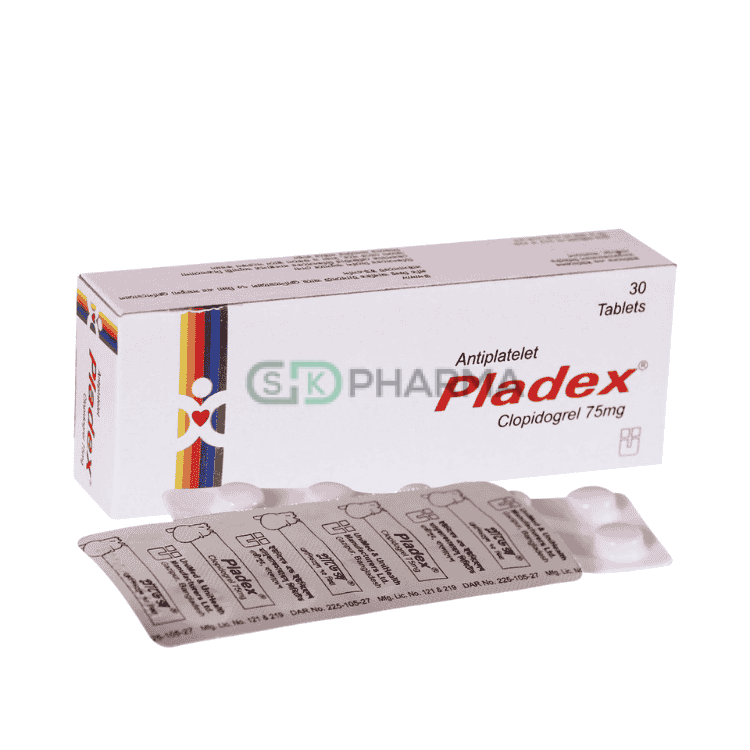
Pladex Tablet 75 mg (Clopidogrel Bisulphate)
Product Queries (0)
Login Or Registerto submit your questions to seller
Other Questions
No none asked to seller yet
-
৳18.80
৳20.00 -
৳3.33
৳3.50 -
৳5.64
৳6.00 -
৳8.46
৳9.00


