


Tolmic Tablet 200 mg (Tolfenamic acid)
-
 ৳18.80
৳20.00 -
৳3.33
৳3.50 -
৳5.64
৳6.00 -
৳32.90
৳35.00
![Recur Tablet 1 mg (Finasteride [For Androgenic Alopecia])](https://skpharma.com.bd/public/uploads/all/mqB5zpgTubYSB0CMtn0XXhQtwBc22ia6JfYbyrMt.png)

Reviews & Ratings
Tolmic 200 mg belongs to the fenamate group of NSAIDs and exerts its therapeutic effect mainly by inhibiting the biosynthesis and action of prostaglandins. It inhibits both cyclooxygenase enzymes, COX-1 and COX-2, which are responsible for the production of prostaglandins involved in pain, inflammation, and fever.
In addition to its classical NSAID mechanism, Tolmic 200 mg also inhibits leukotriene B4-mediated chemotaxis of human polymorphonuclear leukocytes, reducing inflammatory cell migration by approximately 25%. This additional mechanism contributes to its enhanced anti-inflammatory activity and effectiveness in migraine-related pain.
Mode of Action
Tolmic 200 mg (N-(2-methyl-3-chlorophenyl) anthranilic acid) inhibits the synthesis of key inflammatory mediators such as prostaglandin E2 (PGE2) and thromboxane B2 (TXB2). Prostaglandins are major contributors to pain, swelling, and inflammation. By reducing their production and directly antagonizing prostaglandin receptors, Tolmic 200 mg provides effective pain relief and anti-inflammatory action.
রেজিস্টার্ড চিকিৎসকের পরামর্শ অনুযায়ী ঔষধ সেবন করুন
Pharmacokinetic Properties
-
Absorption: Readily absorbed from the gastrointestinal tract
-
Peak plasma concentration: 60–90 minutes
-
Bioavailability: Approximately 85%
-
Protein binding: About 99%
-
Plasma half-life: 2 hours
-
Metabolism: Hepatic metabolism with enterohepatic circulation
-
Excretion: Mainly via urine (90%) and feces
Dosage & Administration
-
Acute migraine attacks (Adults): 200 mg at the onset of symptoms; may be repeated once after 1–2 hours if necessary
-
Mild to moderate pain (Adults): 100–200 mg three times daily
-
Renal impairment: Dose adjustment may be required; avoid in severe renal impairment
-
Children: Pediatric dosage has not been established
Tolmic 200 mg should be taken with food and adequate water or immediately after meals to minimize gastrointestinal discomfort.
Drug Interactions
-
Increased absorption with metoclopramide and magnesium hydroxide
-
Reduced absorption with aluminum hydroxide
-
Increased risk of bleeding when used with anticoagulants or other NSAIDs
-
Reduced antihypertensive effect of diuretics, beta-blockers, and ACE inhibitors
-
Increased plasma levels of lithium, methotrexate, and cardiac glycosides
-
Increased risk of nephrotoxicity when combined with ACE inhibitors, ciclosporin, tacrolimus, or diuretics
Contraindications
-
Active peptic ulcer disease or gastrointestinal bleeding
-
Severe heart, kidney, or liver failure
Side Effects
Common side effects include dysuria (especially in males), nausea, vomiting, diarrhea, epigastric pain, dyspepsia, headache, fatigue, and skin reactions. Rare but serious adverse effects include blood dyscrasias and hepatitis.
রেজিস্টার্ড চিকিৎসকের পরামর্শ অনুযায়ী ঔষধ সেবন করুন
Pregnancy & Lactation
Tolmic 200 mg is not recommended during pregnancy unless clearly essential, particularly during the first and third trimesters. It is contraindicated in the third trimester. NSAIDs may pass into breast milk in small amounts; therefore, use during lactation should be avoided if possible.
Precautions & Warnings
Caution is required in patients with asthma, bronchospasm, cardiovascular disease, bleeding disorders, hypertension, peptic ulcer history, liver or renal impairment, infections, congestive heart failure, and in elderly patients. Increasing water intake or dose reduction may help reduce dysuria.
Overdose
Symptoms may include headache, nausea, vomiting, abdominal pain, gastrointestinal bleeding, dizziness, drowsiness, tinnitus, convulsions, and coma. Severe cases may result in acute renal failure or liver damage. Treatment is supportive and symptomatic.
Storage Conditions
Store in a cool and dry place, protected from light. Keep out of the reach of children.
Related Products

Fertil Tablet 50 mg (Clomiphene Citrate)


Taxedol Injection 20 mg/vial (Docetaxel Trihydrate)

Opthaflox Eye Drop 0.30% (Lomefloxacin)

Rivotril Tablet 1 mg (Clonazepam)

Rizat Tablet 5 mg (Rizatriptan Benzoate)

Bioprem Capsule 2500 mcg (Biotin)

Telisa Tablet 40 mg (Telmisartan)
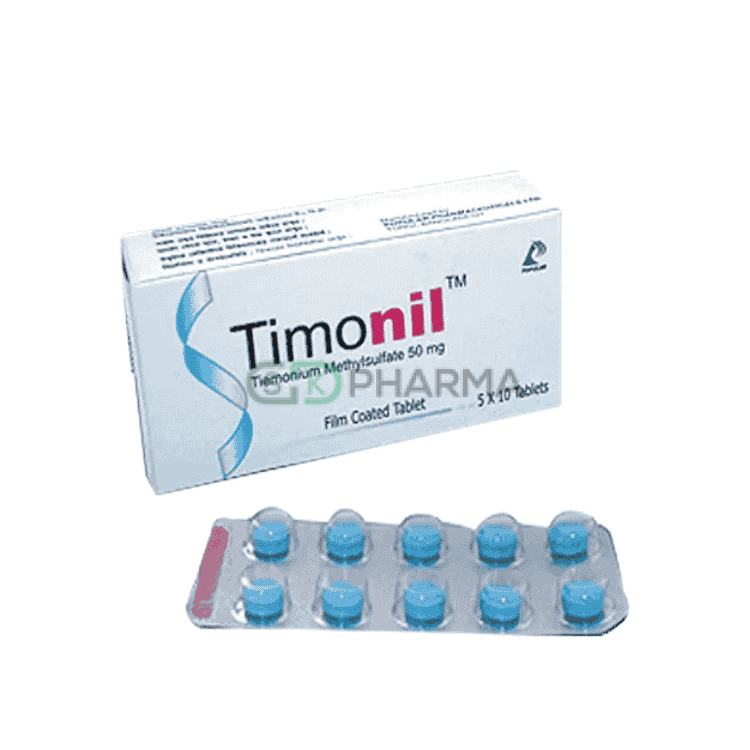
Timonil Tablet 50 mg (Tiemonium Methylsulfate)
Product Queries (0)
Login Or Registerto submit your questions to seller
Other Questions
No none asked to seller yet
-
৳18.80
৳20.00 -
৳3.33
৳3.50 -
৳5.64
৳6.00 -
৳32.90
৳35.00


