


Zapenia Tablet 100 mg (Clozapine)
-
 ৳18.80
৳20.00 -
৳3.33
৳3.50 -
৳5.64
৳6.00 -
৳32.90
৳35.00
![Recur Tablet 1 mg (Finasteride [For Androgenic Alopecia])](https://skpharma.com.bd/public/uploads/all/mqB5zpgTubYSB0CMtn0XXhQtwBc22ia6JfYbyrMt.png)


Reviews & Ratings
Zapenia 100 mg is an atypical antipsychotic medication used for the management of schizophrenia in patients who are unresponsive or intolerant to conventional antipsychotics and for psychosis associated with Parkinson’s disease. It belongs to the dibenzodiazepine class and works by modulating dopamine and serotonin receptors in the brain, providing effective control of psychotic symptoms with a lower risk of extrapyramidal side effects.
রেজিস্টার্ড চিকিৎসকের পরামর্শ অনুযায়ী ঔষধ সেবন করুন
Therapeutic Class
Atypical Neuroleptic Drug
Indications
Zapenia 100 mg is indicated for:
-
Schizophrenia in adults unresponsive or intolerant to traditional antipsychotics
-
Psychosis in patients with Parkinson’s disease
It is especially useful in cases where conventional antipsychotics are ineffective or cause severe side effects.
Pharmacology
Zapenia 100 mg acts primarily through antagonism of D2 and 5-HT2A receptors. It also has antagonistic effects on α-adrenergic, histamine H1, cholinergic, and other dopaminergic and serotonergic receptors. Its preferential activity at limbic over striatal dopamine receptors reduces the risk of extrapyramidal symptoms, while providing antipsychotic efficacy.
Dosage and Administration
Schizophrenia (Adults over 16 years):
-
Day 1: 12.5 mg once or twice
-
Day 2: 25 mg once or twice
-
Gradually increase by 25–50 mg/day over 14–21 days up to 300 mg/day
-
Usual maintenance dose: 200–450 mg/day in divided doses; maximum 900 mg/day
Elderly (≥60 years):
-
Start with 12.5 mg once on day 1, increasing by 25 mg increments
Psychosis in Parkinson’s Disease:
-
Start 12.5 mg at bedtime, increase by 12.5 mg up to twice weekly
-
Usual dose: 25–37.5 mg/day
-
Maximum: 100 mg/day
Doses should be adjusted based on response and tolerability. Abrupt discontinuation should be avoided; gradual tapering over 1–2 weeks is recommended.
রেজিস্টার্ড চিকিৎসকের পরামর্শ অনুযায়ী ঔষধ সেবন করুন
Drug Interactions
-
May interact with CNS-active drugs, alcohol, or myelosuppressive agents
-
Can potentiate hypotensive effects with other antihypertensives
-
May displace or be displaced by highly protein-bound drugs (e.g., warfarin, digoxin)
-
Caution with CYP2D6 inhibitors or drugs metabolized by CYP2D6
-
Avoid concomitant adrenaline use due to α-adrenergic blockade
Contraindications
-
Severe cardiac disorders (myocarditis, cardiomyopathy)
-
Bone marrow disorders, neutropenia, or agranulocytosis
-
Paralytic ileus, alcoholic or toxic psychoses
-
Severe CNS depression or uncontrolled epilepsy
-
Breastfeeding mothers
Side Effects
Common:
-
Drowsiness, dizziness, headache
-
Constipation, nausea, vomiting
-
Increased salivation, mild weight gain
Less common:
-
Abdominal discomfort, dry mouth
-
Orthostatic hypotension, tachycardia
Serious but rare:
-
Agranulocytosis, myocarditis, cardiomyopathy
-
Thromboembolism, neuroleptic malignant syndrome
Precautions and Warnings
-
Monitor WBC weekly for the first 6 months; every other week if stable
-
Use caution in elderly patients and those with seizure risk, diabetes, or hepatic impairment
-
Monitor for signs of myocarditis or cardiomyopathy
-
Avoid sudden discontinuation
Overdose
Overdose may cause drowsiness, delirium, hypotension, tachycardia, respiratory depression, seizures, or coma. Management includes airway support, activated charcoal, monitoring of cardiac and vital signs, and symptomatic treatment.
Pregnancy and Lactation
-
Pregnancy Category B: Use only if clearly necessary
-
Not recommended during breastfeeding; may be excreted in milk
Storage Conditions
Store below 30°C in a dry place, protected from light. Keep out of reach of children.
Related Products

Primacap Capsule 500 mg (Evening primrose oil)

Femzole Tablet 2.5 mg (Letrozole)
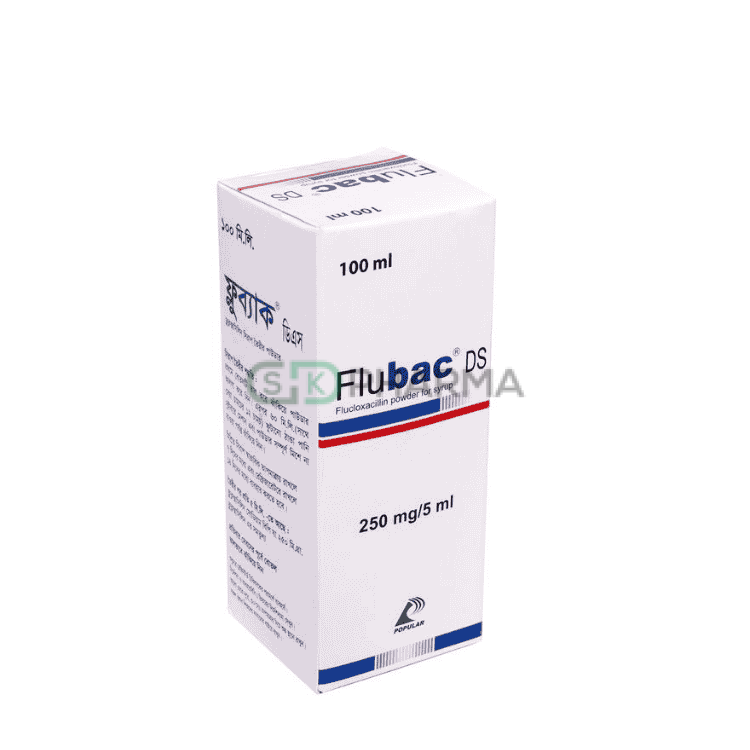
Flubac DS Suspension 250 mg/5 ml (Flucloxacillin Sodium)

Opton Tablet 40 mg (Esomeprazole)

Lamicet Tablet 50 mg (Lamotrigine)

Diapro MR Tablet 30 mg (Gliclazide)

Remifen Injection 1 mg/vial (Remifentanil Hydrochloride)
Product Queries (0)
Login Or Registerto submit your questions to seller
Other Questions
No none asked to seller yet
-
৳18.80
৳20.00 -
৳3.33
৳3.50 -
৳5.64
৳6.00 -
৳32.90
৳35.00


