


Apixa Tablet 5 mg (Apixaban)
-
 ৳18.80
৳20.00 -
৳3.33
৳3.50 -
৳5.64
৳6.00 -
৳32.90
৳35.00
![Recur Tablet 1 mg (Finasteride [For Androgenic Alopecia])](https://skpharma.com.bd/public/uploads/all/mqB5zpgTubYSB0CMtn0XXhQtwBc22ia6JfYbyrMt.png)

Reviews & Ratings
Apixa Tablet 5 mg contains Apixaban, an oral anticoagulant that belongs to the class of direct factor Xa inhibitors. It is used to prevent and treat blood clots in various conditions where the risk of thrombosis is high, including atrial fibrillation, deep vein thrombosis (DVT), and pulmonary embolism (PE). Apixa works by selectively inhibiting factor Xa, a key enzyme in the coagulation cascade, thereby reducing thrombin generation and preventing clot formation.
Apixa offers a predictable anticoagulant effect with no need for routine coagulation monitoring in most patients, making it convenient and effective for long-term management of thromboembolic disorders.
রেজিস্টার্ড চিকিৎসকের পরামর্শ অনুযায়ী ঔষধ সেবন করুন
Indications
Apixa Tablet 5 mg is indicated for:
-
Prevention of stroke and systemic embolism in patients with non-valvular atrial fibrillation (NVAF)
-
Treatment of deep vein thrombosis (DVT) and pulmonary embolism (PE)
-
Prevention of recurrent DVT and PE
-
Prophylaxis of venous thromboembolism (VTE) following hip or knee replacement surgery
Therapeutic Class
Oral anticoagulant (Direct Factor Xa Inhibitor)
Pharmacology
Apixaban selectively inhibits factor Xa, an essential component of the coagulation cascade that converts prothrombin to thrombin. By blocking factor Xa, Apixa prevents thrombin formation, fibrin clot development, and subsequent thromboembolic events.
-
Mechanism of Action: Reversible, selective inhibition of free and clot-bound factor Xa
-
Onset of Action: Rapid, with peak plasma concentration achieved within 3–4 hours
-
Half-life: Approximately 12 hours, allowing for twice-daily dosing
-
Metabolism and Excretion: Metabolized primarily by the liver (CYP3A4 pathway) and excreted via urine and feces
Apixa provides consistent anticoagulation with low risk of food or drug interference compared to traditional vitamin K antagonists.
Dosage and Administration
Atrial Fibrillation (NVAF):
-
5 mg orally twice daily
-
Reduced dose of 2.5 mg twice daily may be used in patients meeting at least two of the following criteria: age ≥ 80 years, body weight ≤ 60 kg, or serum creatinine ≥ 1.5 mg/dL
Treatment of DVT/PE:
-
Initial dose: 10 mg orally twice daily for 7 days
-
Maintenance dose: 5 mg orally twice daily thereafter
Prevention of VTE after hip/knee replacement:
-
2.5 mg orally twice daily, starting 12–24 hours post-surgery
Tablets should be taken with or without food at approximately the same times each day.
Drug Interactions
Apixa may interact with:
-
Strong CYP3A4 and P-gp inhibitors (e.g., ketoconazole, ritonavir) – increase bleeding risk
-
CYP3A4 and P-gp inducers (e.g., rifampin, carbamazepine) – reduce efficacy
-
Other anticoagulants, antiplatelets, or NSAIDs – increase bleeding risk
Dose adjustments or close monitoring may be required when co-administered with these agents.
রেজিস্টার্ড চিকিৎসকের পরামর্শ অনুযায়ী ঔষধ সেবন করুন
Contraindications
-
Active pathological bleeding
-
Severe hypersensitivity to apixaban
-
Hepatic disease with coagulopathy increasing bleeding risk
-
Prosthetic heart valves (not studied)
Side Effects
Common:
-
Bleeding (nosebleeds, gum bleeding, bruising)
-
Anemia
-
Nausea
Rare but serious:
-
Gastrointestinal bleeding
-
Intracranial hemorrhage
-
Hemorrhagic stroke
Precautions and Warnings
-
Use caution in patients with renal or hepatic impairment
-
Avoid abrupt discontinuation; increased risk of thromboembolism
-
Monitor for signs of bleeding and anemia
-
Not recommended for use in pregnancy unless clearly indicated; use with caution during breastfeeding
Overdose
-
Signs: Excessive or uncontrolled bleeding
-
Management: Supportive care, discontinuation of Apixa, hemodynamic support
-
No specific antidote is universally available; andexanet alfa may be used in life-threatening bleeding
Storage Conditions
Store in a cool, dry place away from light and moisture.
Keep out of reach of children.
Mode of Action
Apixa selectively and reversibly inhibits factor Xa, preventing thrombin formation and fibrin clot development, thereby reducing the risk of stroke, systemic embolism, and venous thromboembolism.
Related Products
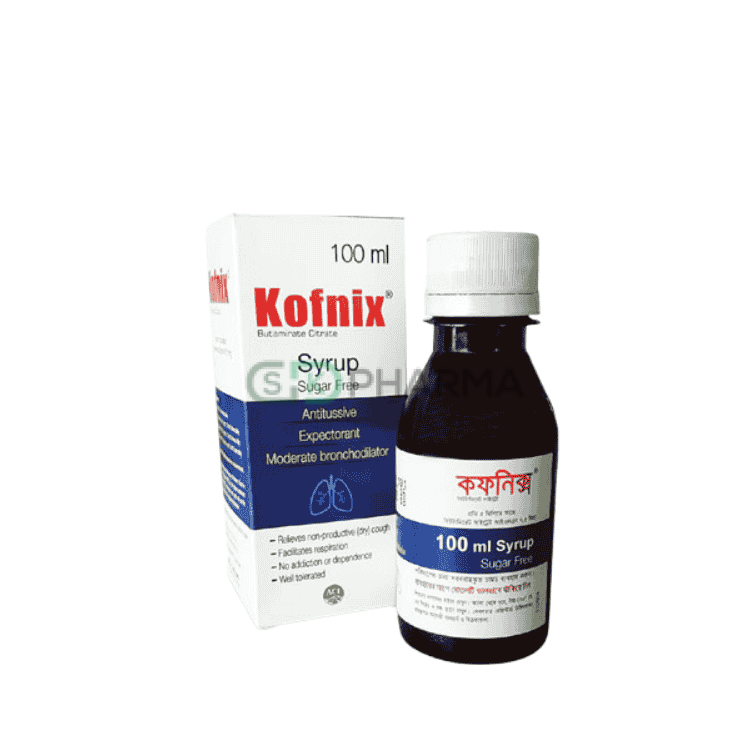
Kofnix Syrup 7.5 mg/5 ml (Butamirate Citrate)
Vifas Tablet 180 mg (Fexofenadine Hydrochloride)

Florium Tablet 5 mg (Flunarizine)


Adapel Cream 0.10% (Adapalene)

Filmet Injection 500 mg/100 ml (Metronidazole)

Seroquet Tablet 25 mg (Quetiapine Fumarate)

Renocare Tablet 250 mg (Gohkshura)

Alzacare Capsule 21 mg+10 mg (Memantine + Donepezil)

Vir Tablet 0.5 mg (Entecavir)
Product Queries (0)
Login Or Registerto submit your questions to seller
Other Questions
No none asked to seller yet
-
৳18.80
৳20.00 -
৳3.33
৳3.50 -
৳5.64
৳6.00 -
৳32.90
৳35.00


