


Bonova Tablet 150 mg (Ibandronic Acid)
-
 ৳18.80
৳20.00 -
৳3.33
৳3.50 -
৳5.64
৳6.00 -
৳8.46
৳9.00
![Recur Tablet 1 mg (Finasteride [For Androgenic Alopecia])](https://skpharma.com.bd/public/uploads/all/mqB5zpgTubYSB0CMtn0XXhQtwBc22ia6JfYbyrMt.png)


Reviews & Ratings
Bonova 150 mg contains Ibandronic Acid, a potent nitrogen-containing bisphosphonate used for the treatment of postmenopausal osteoporosis. It is specifically indicated to reduce the risk of fractures in patients with low bone mass or a history of osteoporotic fractures.
Osteoporosis is a condition in which bones become fragile and prone to fracture due to reduced bone mass and structural deterioration. Bonova works by inhibiting osteoclast activity, thereby decreasing bone resorption, improving bone mineral density (BMD), and reducing the risk of vertebral and non-vertebral fractures.
রেজিস্টার্ড চিকিৎসকের পরামর্শ অনুযায়ী ঔষধ সেবন করুন
Therapeutic Class
-
Bisphosphonate preparations
Pharmacology
Ibandronic acid selectively binds to hydroxyapatite in bone, targeting osteoclasts—the cells responsible for bone resorption. It inhibits osteoclast activity without affecting their recruitment or bone formation. In postmenopausal women, Bonova reduces the elevated bone turnover rate, leading to a progressive gain in bone mass.
After oral administration, absorption occurs in the upper gastrointestinal tract. Ibandronic acid is either rapidly taken up by bone tissue or excreted unchanged in the urine. Its high potency allows for flexible dosing, including monthly administration, providing effective fracture risk reduction with convenience and adherence benefits.
Indications
Bonova 150 mg is indicated for:
-
Treatment of postmenopausal osteoporosis to reduce fracture risk
-
Patients with low bone mass (T-score ≤ -2.0 SD) and a history of osteoporotic fracture
-
Patients with severely reduced bone mass (T-score ≤ -2.5 SD) even without prior fractures
Dosage and Administration
-
Recommended Dose: One 150 mg film-coated tablet once monthly
-
Take on the same date each month
-
Swallow the tablet whole with a full glass of plain water (180–240 ml)
-
Take 60 minutes before the first food, drink, or other oral medication, including calcium or supplements
-
Remain upright (sitting or standing) for at least 60 minutes after administration
-
Do not chew or suck the tablet to prevent oropharyngeal irritation
-
If a dose is missed: Take it the following morning unless the next scheduled dose is within 7 days, then skip and continue the original schedule
Patients should also maintain adequate calcium and vitamin D intake to maximize therapeutic benefit.
Contraindications
-
Hypersensitivity to ibandronic acid or excipients
-
Uncorrected hypocalcemia
-
Abnormalities of the esophagus delaying emptying (e.g., stricture, achalasia)
-
Inability to sit or stand upright for 60 minutes after dosing
Side Effects
Common side effects may include:
-
Dyspepsia, nausea, diarrhea, abdominal pain
-
Muscle aches, headaches, dizziness
Rare but serious adverse effects:
-
Esophagitis, esophageal ulcers, erosions, or strictures
-
Osteonecrosis of the jaw (ONJ), particularly in patients undergoing dental procedures or with cancer
Precautions and Warnings
-
Correct hypocalcemia and other metabolic bone disturbances before therapy
-
Use with caution in patients with active upper gastrointestinal conditions (e.g., ulcers, gastritis, Barrett’s esophagus)
-
Monitor for esophageal irritation; discontinue if dysphagia, odynophagia, or retrosternal pain occurs
-
Caution when used concurrently with NSAIDs due to additive gastrointestinal risk
-
Adequate calcium and vitamin D intake is essential
Drug Interactions
-
Calcium supplements, antacids, and multivalent cation-containing medications may reduce absorption; wait at least 60 minutes
-
No significant interactions with tamoxifen, hormone replacement therapy, melphalan/prednisolone, or H2-antagonists
-
Eliminated unchanged via renal excretion, minimal drug-drug interaction risk
Special Populations
-
Pregnancy: Use only if benefits outweigh risks; Category C
-
Lactation: Use caution; unknown excretion in human milk
-
Pediatrics: Safety and efficacy not established in patients <18 years
-
Elderly: No dose adjustment needed
-
Renal Impairment: No adjustment for creatinine clearance ≥30 ml/min
Storage Conditions
Store below 30°C, in a dry place, protected from light and moisture. Keep out of reach of children.
Related Products
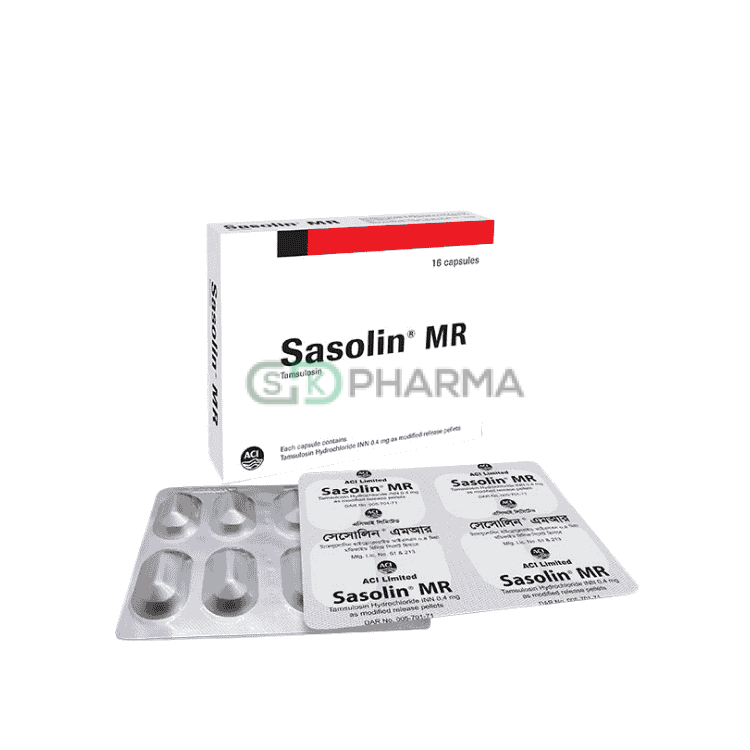
Sasolin MR Capsule 0.4 mg (Tamsulosin Hydrochloride)
Ertuglif Tablet 5 mg (Ertugliflozin)
Xalcort Tablet 24 mg (Deflazacort)

Tirzep Injection 5 mg/0.5 ml (Tirzepatide)

Toposar Capsule 50 mg (Etoposide)

Neotison Nasal Spray 27.5 mcg/spray (Fluticasone Furoate)

Alexa Injection 6000 Anti-Xa IU/0.6 ml (Enoxaparin Sodium)

Product Queries (0)
Login Or Registerto submit your questions to seller
Other Questions
No none asked to seller yet
-
৳18.80
৳20.00 -
৳3.33
৳3.50 -
৳5.64
৳6.00 -
৳8.46
৳9.00


