


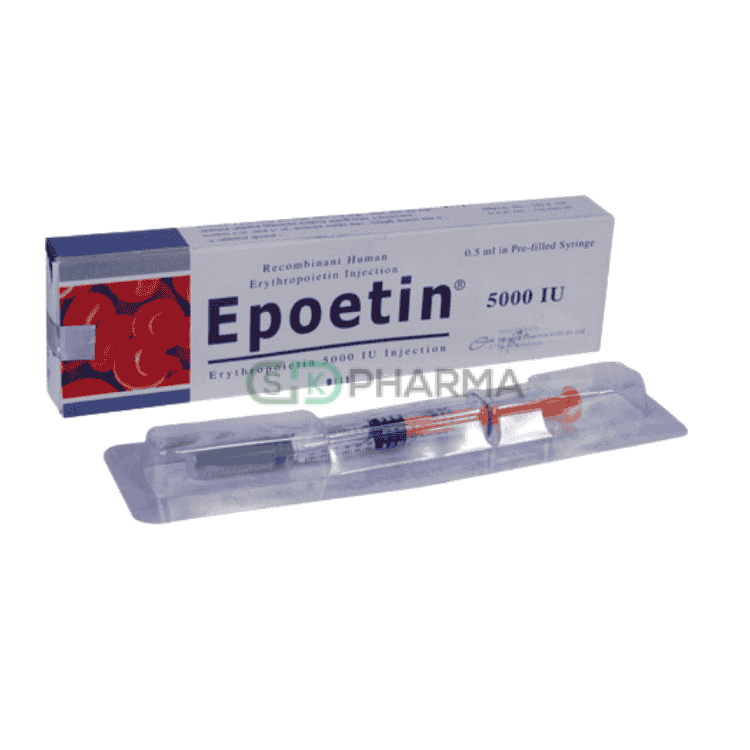
Epoetin Injection 5000 IU (Erythropoietin Alfa)
-
 ৳18.80
৳20.00 -
৳3.33
৳3.50 -
৳5.64
৳6.00 -
৳8.46
৳9.00
![Recur Tablet 1 mg (Finasteride [For Androgenic Alopecia])](https://skpharma.com.bd/public/uploads/all/mqB5zpgTubYSB0CMtn0XXhQtwBc22ia6JfYbyrMt.png)

Reviews & Ratings
Epoetin 5000 IU Injection is a recombinant human erythropoietin used in the treatment of various types of anemia. It works by stimulating red blood cell production in the bone marrow, thereby increasing hemoglobin levels and improving oxygen delivery to body tissues. This medicine is especially beneficial in anemia related to chronic kidney disease, cancer chemotherapy, HIV therapy, and certain surgical settings.
রেজিস্টার্ড চিকিৎসকের পরামর্শ অনুযায়ী ঔষধ সেবন করুন
Therapeutic Class
-
Drugs for Haemolytic, Hypoplastic & Renal Anemia
Pharmacology
Epoetin 5000 IU regulates erythropoiesis by stimulating the differentiation and proliferation of erythroid precursor cells in the bone marrow. It also promotes the release of reticulocytes into circulation and enhances hemoglobin synthesis. Recombinant human epoetin (epoetin alfa or epoetin beta) mimics the action of endogenous erythropoietin and is widely used to manage anemia associated with chronic renal failure, chemotherapy, and zidovudine therapy in HIV patients.
Indications
Epoetin 5000 IU is indicated for the treatment of:
-
Anemia associated with chronic renal failure (patients on dialysis and not on dialysis)
-
Anemia in patients with non-myeloid malignancies receiving chemotherapy
-
Anemic patients (Hb >10 to <13 g/dL) scheduled for elective, noncardiac, nonvascular surgery to reduce the need for blood transfusions
-
Anemia related to zidovudine therapy in HIV-infected patients
Dosage and Administration
Dosage must be individualized based on patient condition, hemoglobin levels, and response to therapy.
Chronic Renal Failure
-
Adults: 50–100 IU/kg three times weekly (IV or SC)
-
Pediatrics: 50 IU/kg three times weekly
-
Target hemoglobin: 11–12 g/dL
-
Maintenance dose: Usually 75 IU/kg three times weekly (dialysis patients)
Cancer Patients on Chemotherapy
-
Adults: 150 IU/kg three times weekly SC or 40,000 IU weekly
-
Pediatric: 25–300 IU/kg, 3–7 times per week
-
Dose adjustment based on hematocrit response
Surgery Patients
-
300 IU/kg/day SC for 10 days before surgery, on surgery day, and 4 days after
or -
600 IU/kg SC weekly for 3 weeks before surgery plus one dose on surgery day
Zidovudine-treated HIV Patients
-
Adults: 100 IU/kg IV or SC three times weekly
-
Pediatrics: 50–400 IU/kg, 2–3 times weekly
Administration Instructions
-
Do not shake the vial
-
Inspect visually for particulate matter or discoloration before use
-
Administer IV over 1–2 minutes (post-dialysis for dialysis patients)
-
SC injection should not exceed 1 ml per site
-
Do not mix with other IV solutions
Drug Interactions
-
Haematinics may enhance therapeutic effectiveness
-
Increased heparin dose may be required in dialysis patients
Contraindications
-
Uncontrolled hypertension
-
Known hypersensitivity to epoetin or mammalian cell-derived products
Side Effects
-
General: Headache, dizziness, fever, malaise, arthralgia
-
Cardiovascular: Hypertension, palpitations
-
Gastrointestinal: Nausea, vomiting, diarrhea, anorexia
-
Metabolic: Hyperkalemia (occasionally)
-
Allergic reactions may occur
Precautions and Warnings
-
Use cautiously in patients with controlled hypertension, ischemic vascular disease, seizure history, or known allergies
-
Iron status must be evaluated before and during therapy
-
Supplemental iron is usually required to support effective erythropoiesis
Use in Pregnancy and Lactation
-
Pregnancy Category C
-
Use only if clearly needed during pregnancy
-
Caution is advised during breastfeeding as excretion in human milk is unknown
Overdose
-
High doses up to 1500 IU/kg have been used without direct toxicity
-
If hemoglobin exceeds the target range, therapy should be temporarily withheld
-
Phlebotomy may be required in cases of polycythemia
Storage Conditions
-
Store at 2°C to 8°C
-
Protect from light
-
Do not freeze
-
Avoid shaking.
Related Products


Tofen Eye Drop 0.03% (Ketotifen Fumarate (Ophthalmic))
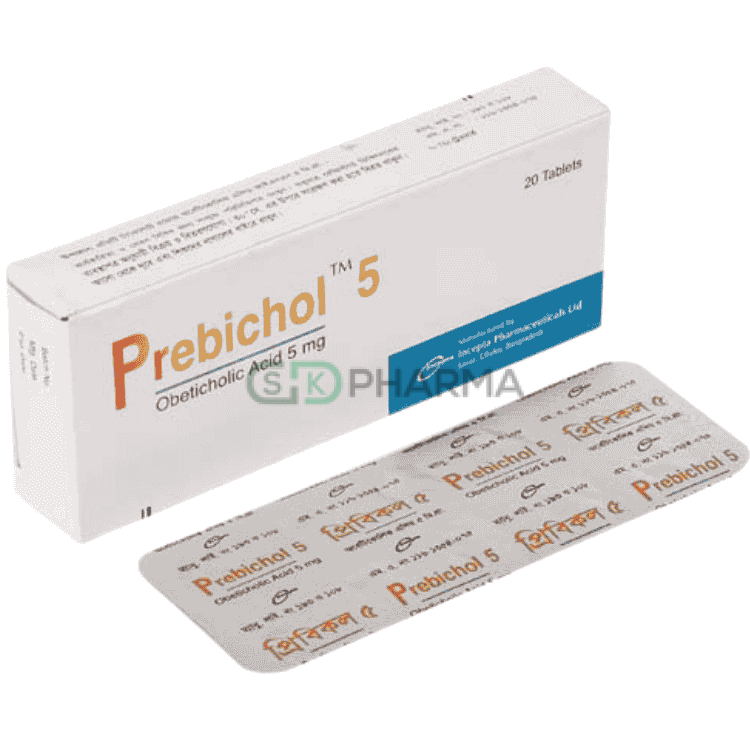
Prebichol Tablet 5 mg (Obeticholic Acid)

Valex Injection 500 mg/5 ml (Sodium Valproate)
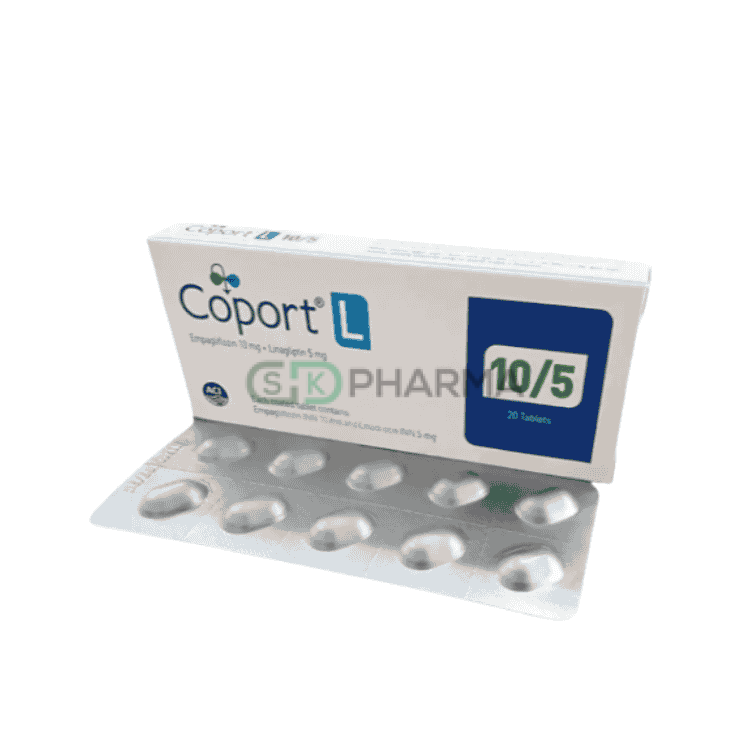
Coport L Tablet 10 mg+5 mg (Empagliflozin + Linagliptin)
Trulicity Injection 0.75 mg/0.5 ml (Dulaglutide)
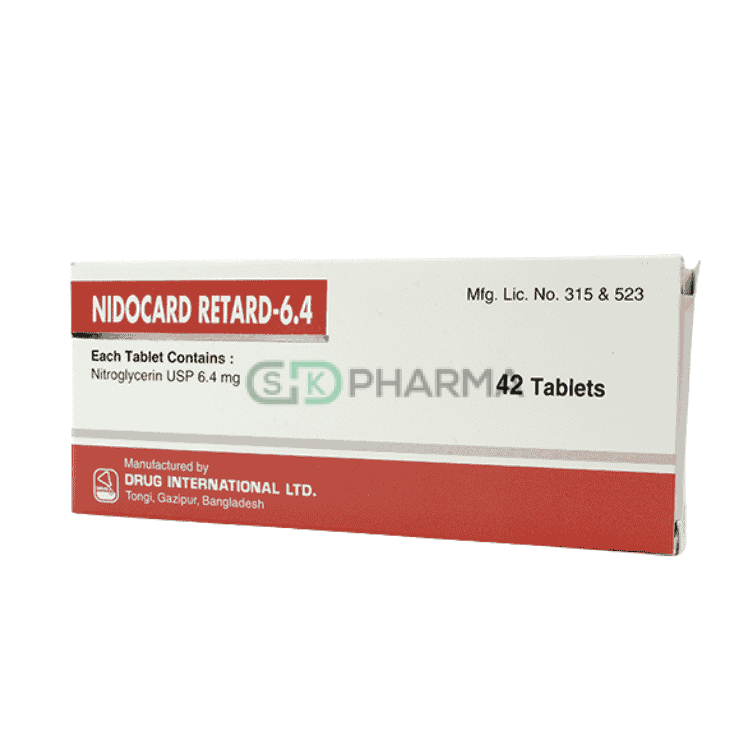
Nidocard Retard Tablet 6.4 mg (Nitroglycerin)
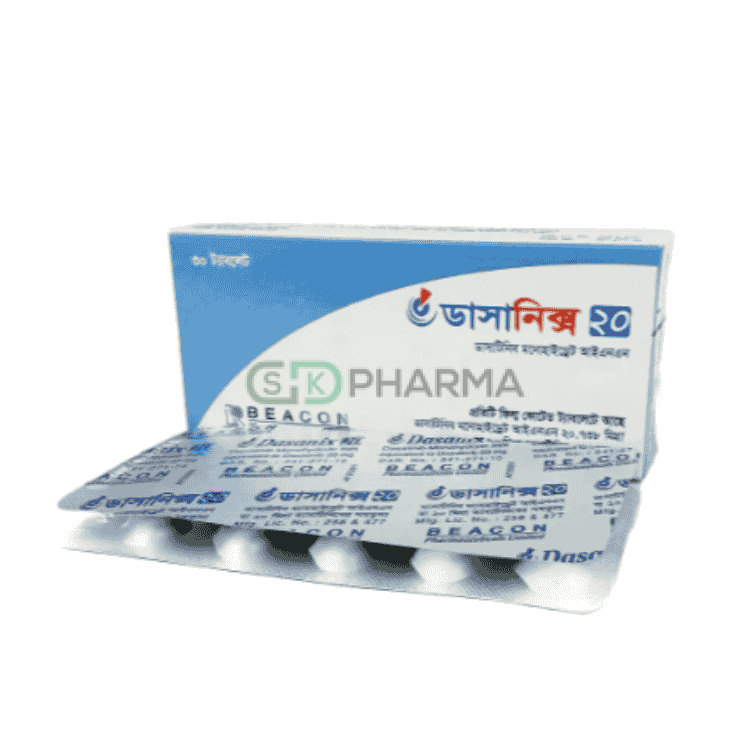
Dasanix Tablet 20 mg (Dasatinib)

Dilast Tablet 20 mg (Torasemide)
Product Queries (0)
Login Or Registerto submit your questions to seller
Other Questions
No none asked to seller yet
-
৳18.80
৳20.00 -
৳3.33
৳3.50 -
৳5.64
৳6.00 -
৳8.46
৳9.00


