


Esonix Injection 40 mg/vial (Esomeprazole)
-
 ৳18.80
৳20.00 -
৳3.33
৳3.50 -
৳5.64
৳6.00 -
৳32.90
৳35.00
![Recur Tablet 1 mg (Finasteride [For Androgenic Alopecia])](https://skpharma.com.bd/public/uploads/all/mqB5zpgTubYSB0CMtn0XXhQtwBc22ia6JfYbyrMt.png)


Reviews & Ratings
Esonix 40 mg Tablet contains Esomeprazole, a proton pump inhibitor that effectively suppresses gastric acid secretion. It is used for the treatment and long-term management of acid-related gastrointestinal disorders by relieving symptoms, promoting healing of acid-damaged tissues, and preventing recurrence of ulcers and esophageal inflammation.
রেজিস্টার্ড চিকিৎসকের পরামর্শ অনুযায়ী ঔষধ সেবন করুন
Indications
Esonix 40 mg is indicated for the management of:
-
Gastroesophageal Reflux Disease (GERD) and related symptoms such as persistent heartburn
-
Healing and maintenance of erosive esophagitis
-
Eradication of Helicobacter pylori infection in patients with duodenal ulcer disease (in combination with amoxicillin and clarithromycin)
-
Zollinger–Ellison syndrome and other pathological hypersecretory conditions
-
Duodenal and gastric ulcers caused by acid dyspepsia
Dosage and Administration
Oral Dosage (Adults):
-
Healing of erosive esophagitis: 20 mg or 40 mg once daily for 4–8 weeks
-
Maintenance of healing: 20 mg once daily
-
Symptomatic GERD: 20 mg once daily for 4 weeks
-
H. pylori eradication (triple therapy):
-
Esomeprazole 40 mg once daily
-
Amoxicillin 1000 mg twice daily
-
Clarithromycin 500 mg twice daily
(Administered for 10 days)
-
-
Zollinger–Ellison syndrome: 20–80 mg once daily, adjusted individually
-
Acid-related dyspepsia: 20–40 mg once daily for 2–4 weeks
-
Duodenal ulcer: 20 mg once daily for 2–4 weeks
-
Gastric ulcer: 20–40 mg once daily for 4–8 weeks
Injection:
-
Recommended adult dose is 40 mg once daily administered by slow intravenous injection (not less than 3 minutes) or intravenous infusion over 10–30 minutes
-
IV therapy should be discontinued once the patient can resume oral treatment
Administration Guidelines
-
Take Esonix 40 mg at least one hour before meals.
-
Swallow the tablet or capsule whole; do not crush or chew.
-
For patients with swallowing difficulties, capsule contents may be mixed with cold, soft applesauce and swallowed immediately without chewing.
-
Delayed-release oral suspension and intravenous formulations should be prepared and administered exactly as recommended to ensure stability and effectiveness.
Mechanism of Action
Esomeprazole selectively inhibits the gastric H⁺/K⁺-ATPase enzyme system in parietal cells, leading to reduced gastric acid secretion. As the S-isomer of omeprazole, it provides more consistent acid suppression and improved control of acid-related disorders compared to racemic proton pump inhibitors.
রেজিস্টার্ড চিকিৎসকের পরামর্শ অনুযায়ী ঔষধ সেবন করুন
Drug Interactions
-
Esomeprazole is metabolized mainly by CYP2C19 and CYP3A4 enzymes.
-
It may reduce the clearance of drugs metabolized by CYP2C19, such as diazepam.
-
Reduced gastric acidity may affect absorption of drugs like ketoconazole, iron salts, and digoxin.
-
No clinically significant interactions have been observed with warfarin, phenytoin, quinidine, amoxicillin, or clarithromycin.
Contraindications
Esonix 40 mg is contraindicated in patients with known hypersensitivity to esomeprazole or any component of the formulation.
Side Effects
Commonly reported side effects include:
-
Headache
-
Diarrhea
-
Nausea
-
Abdominal pain
-
Flatulence
-
Constipation
-
Dry mouth
The safety profile during long-term use is comparable to short-term therapy.
Precautions and Warnings
-
Symptomatic improvement does not exclude the presence of gastric malignancy.
-
Use caution in patients with severe hepatic impairment; doses should not exceed 20 mg daily in such cases.
-
Antacids may be used concomitantly if required.
Use in Special Populations
-
Pregnancy & Lactation: Use only if clearly needed; breastfeeding should be discontinued if treatment is essential.
-
Pediatric Use: Safety and efficacy have not been established.
-
Geriatric Use: No significant differences in safety or efficacy, though increased sensitivity cannot be ruled out.
-
Renal Impairment: No dosage adjustment is required.
Overdose
There is no specific antidote for esomeprazole overdose. Management should be symptomatic and supportive. Due to high protein binding, dialysis is not effective.
Storage Conditions
Store below 30°C in a dry place. Protect from moisture and light. Keep out of reach of children.
Related Products


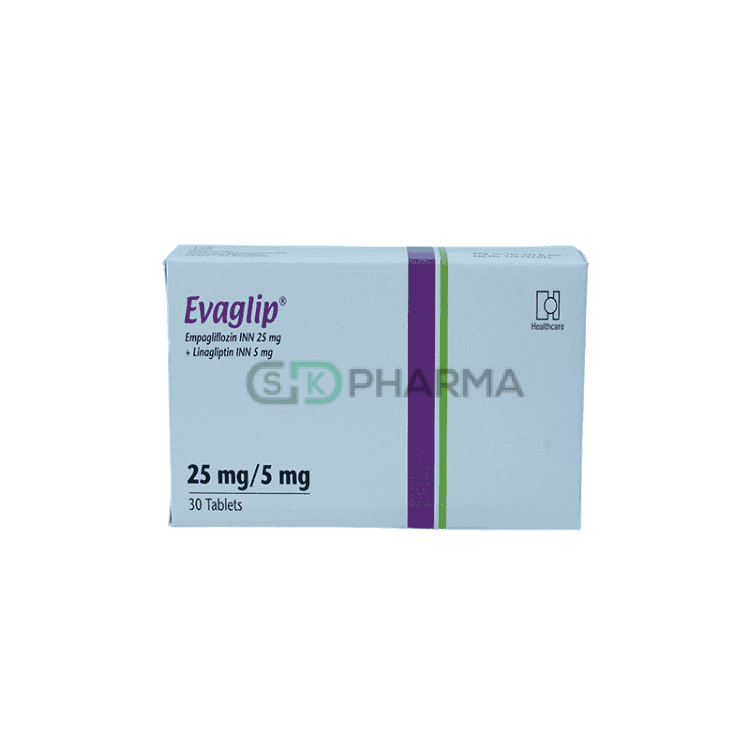
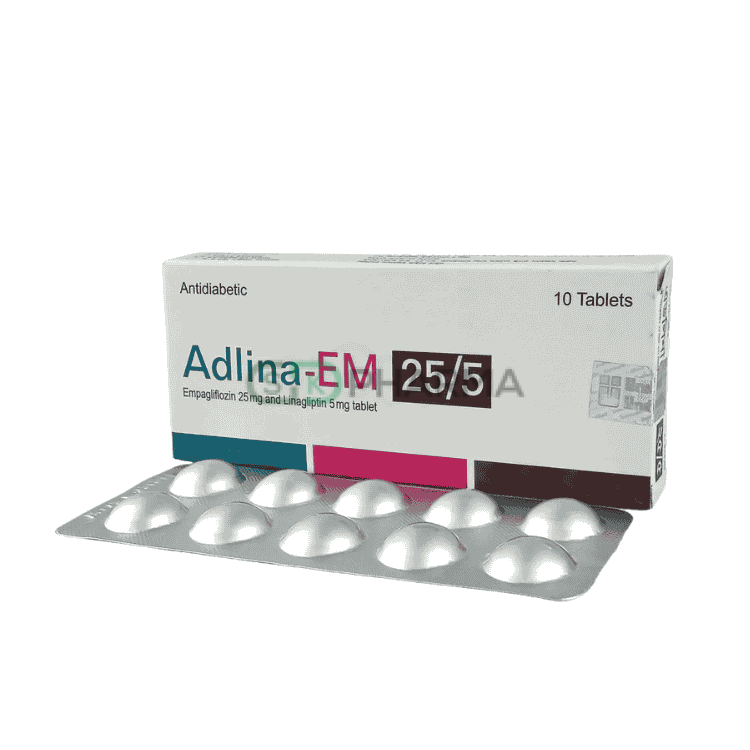
Evaglip Tablet 25 mg+5 mg (Empagliflozin + Linagliptin)
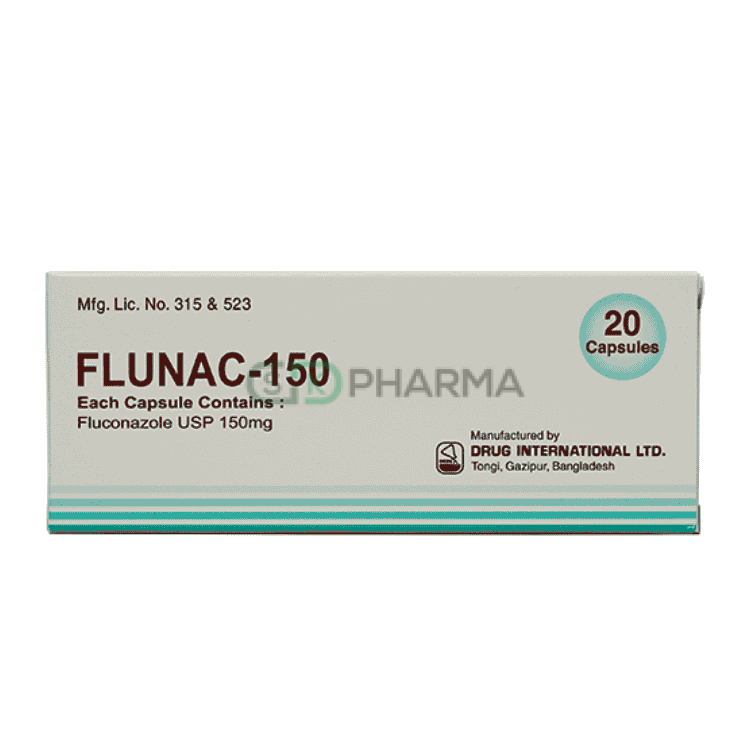
Flunac Capsule 150 mg (Fluconazole)
Flowrap Capsule 8 mg (Silodosin)

Anilic Tablet 200 mg (Tolfenamic acid)

Product Queries (0)
Login Or Registerto submit your questions to seller
Other Questions
No none asked to seller yet
-
৳18.80
৳20.00 -
৳3.33
৳3.50 -
৳5.64
৳6.00 -
৳32.90
৳35.00


