


Etorac Injection 30 mg/ml (Ketorolac Tromethamine)
-
 ৳18.80
৳20.00 -
৳3.33
৳3.50 -
৳5.64
৳6.00 -
৳32.90
৳35.00
![Recur Tablet 1 mg (Finasteride [For Androgenic Alopecia])](https://skpharma.com.bd/public/uploads/all/mqB5zpgTubYSB0CMtn0XXhQtwBc22ia6JfYbyrMt.png)

Reviews & Ratings
Etorac Injection 30 mg/ml contains Ketorolac Tromethamine, a potent non-steroidal anti-inflammatory drug (NSAID) used for the short-term management of moderate to severe acute pain. It is particularly effective in postoperative pain control and pain requiring analgesia at the opioid level, while avoiding opioid-related adverse effects such as respiratory depression and dependence. Etorac Injection is intended for short-duration use under medical supervision.
রেজিস্টার্ড চিকিৎসকের পরামর্শ অনুযায়ী ঔষধ সেবন করুন
Therapeutic Class
Non-steroidal Anti-Inflammatory Drug (NSAID)
Indications
Etorac Injection 30 mg/ml is indicated for:
-
Short-term management of moderate to severe acute pain
-
Postoperative pain requiring parenteral analgesia
-
Acute pain associated with surgical, orthopedic, or gynecological procedures
Treatment duration should not exceed 5 days due to increased risk of adverse reactions with prolonged use.
Pharmacology
Ketorolac Tromethamine exerts its analgesic, anti-inflammatory, and antipyretic effects by inhibiting prostaglandin synthesis through non-selective inhibition of cyclooxygenase enzymes (COX-1 and COX-2). Prostaglandins play a key role in pain, inflammation, and fever. By reducing their production, Etorac Injection provides effective pain relief without sedative properties. Its analgesic potency is comparable to opioids, but it does not act on opioid receptors.
Dosage and Administration
Adults (Intramuscular or Intravenous Use)
-
Single dose: 30 mg IM or IV
-
Multiple dose regimen: 30 mg every 6 hours as needed
-
Maximum daily dose:
-
Adults under 65 years: 120 mg/day
-
Adults 65 years and older or renally impaired: 60 mg/day
-
Duration of Therapy
-
Total duration of therapy (IV/IM followed by oral ketorolac, if used) should not exceed 5 days
Dosage adjustment is required in elderly patients, those weighing less than 50 kg, and patients with renal impairment.
Method of Administration
-
May be administered via intramuscular injection or slow intravenous injection
-
For IV administration, inject slowly over at least 15 seconds
-
Do not mix with other drugs in the same syringe unless compatibility is confirmed
Drug Interactions
-
Concomitant use with other NSAIDs, aspirin, or corticosteroids increases the risk of gastrointestinal bleeding
-
Use with anticoagulants or antiplatelet agents may increase bleeding risk
-
May reduce the effectiveness of antihypertensive drugs
-
Concomitant use with nephrotoxic agents increases the risk of renal impairment
Contraindications
Etorac Injection is contraindicated in patients with:
-
Hypersensitivity to ketorolac or other NSAIDs
-
Active or history of peptic ulcer disease or gastrointestinal bleeding
-
Severe renal impairment
-
Hemorrhagic diathesis or high bleeding risk
-
Use during labor, delivery, or perioperative pain in coronary artery bypass graft surgery
Side Effects
Common side effects include:
-
Nausea and vomiting
-
Abdominal pain and dyspepsia
-
Headache and dizziness
-
Injection site pain
Serious adverse effects may include gastrointestinal bleeding, renal dysfunction, and hypersensitivity reactions, especially with prolonged use.
Precautions and Warnings
-
For short-term use only
-
Monitor renal function, especially in elderly or dehydrated patients
-
Use the lowest effective dose for the shortest duration
-
Avoid use in patients with active bleeding or high bleeding risk
Pregnancy and Lactation
-
Contraindicated during pregnancy, especially in the third trimester
-
Not recommended during breastfeeding due to potential risk to the infant
Storage Conditions
-
Store below 30°C
-
Protect from light
-
Keep out of reach of children.
Related Products
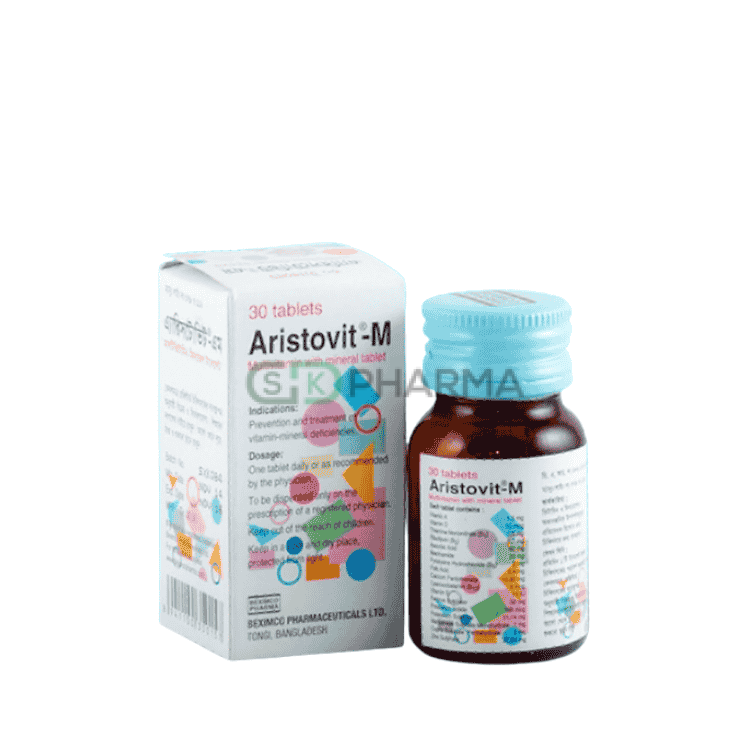
Aristovit M Tablet (Multivitamin & Multimineral)

Monuril Powder 3 gm/sachet (Fosfomycin Trometamol)

Dexonex Tablet 0.5 mg (Dexamethasone)

Frehepta Tablet 80 mg (Resmetirom)

Purinol Tablet 100 mg (Allopurinol)

Gabapen Tablet 300 mg (Gabapentin)
Bexitrol F MDPI 50 mcg+500 mcg (Salmeterol + Fluticasone Propionate)

Ace Power Tablet 1000 mg (Paracetamol)

Ariprex Tablet 10 mg (Aripiprazole)
Product Queries (0)
Login Or Registerto submit your questions to seller
Other Questions
No none asked to seller yet
-
৳18.80
৳20.00 -
৳3.33
৳3.50 -
৳5.64
৳6.00 -
৳32.90
৳35.00


