


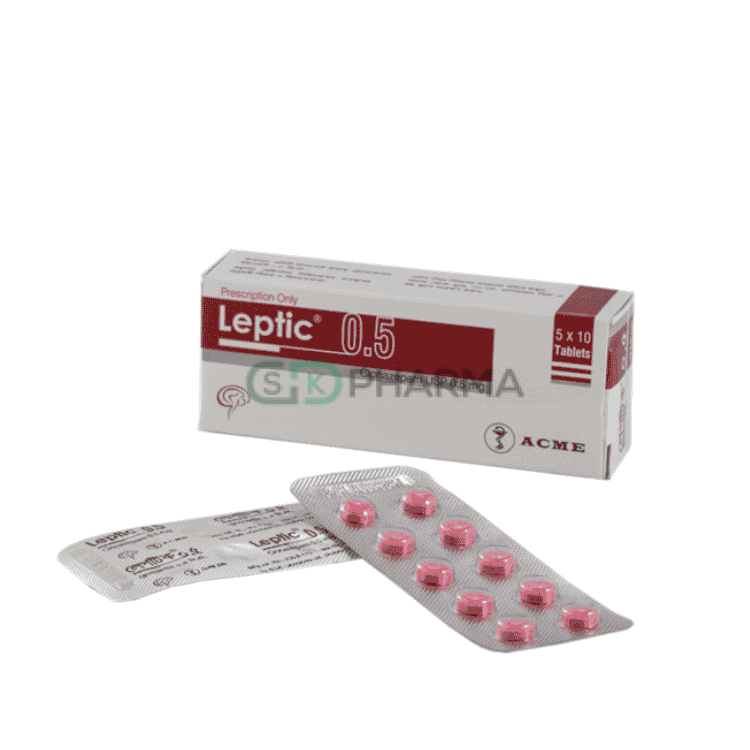
Leptic Tablet 0.5 mg (Clonazepam)
-
 ৳18.80
৳20.00 -
৳3.33
৳3.50 -
৳5.64
৳6.00 -
৳8.46
৳9.00 -
৳18.80
৳20.00


Reviews & Ratings
Leptic 0.5 mg is a benzodiazepine-based medication primarily indicated for the management of seizure disorders and panic disorder. It belongs to the therapeutic class of adjunct anti-epileptic drugs and benzodiazepine hypnotics. The medicine works by enhancing inhibitory neurotransmission in the brain, helping to control abnormal electrical activity and reduce anxiety-related symptoms.
রেজিস্টার্ড চিকিৎসকের পরামর্শ অনুযায়ী ঔষধ সেবন করুন
Indications
Leptic 0.5 mg is indicated for:
Seizure Disorders
-
Lennox-Gastaut Syndrome (petit mal variant)
-
Akinetic seizures
-
Myoclonic seizures
-
Absence seizures (petit mal), particularly in patients not responsive to succinimides
-
Adjunct therapy in focal and generalized epilepsy
Panic Disorder
-
Treatment of panic disorder, with or without agoraphobia
-
Reduces frequency and severity of unexpected panic attacks
-
Helps control anticipatory anxiety related to future attacks
Note: Long-term effectiveness beyond 9 weeks has not been extensively studied. Physicians should periodically reassess patients receiving extended therapy.
Therapeutic Class
-
Adjunct anti-epileptic drugs
-
Benzodiazepine hypnotics
Pharmacology
Leptic 0.5 mg enhances the activity of gamma-aminobutyric acid (GABA), an inhibitory neurotransmitter in the central nervous system. By increasing GABA receptor affinity through positive allosteric modulation, it strengthens inhibitory synaptic transmission.
This mechanism suppresses abnormal spike-and-wave discharges seen in absence seizures and reduces excessive neuronal firing in both focal and generalized epilepsy. It also provides anxiolytic, sedative, anticonvulsant, and muscle-relaxant effects.
Dosage & Administration
Adults (Seizure Disorders)
-
Initial dose: 1.5 mg daily in 3 divided doses
-
Increase by 0.5–1 mg every 3 days as needed
-
Maximum dose: 20 mg per day
Adults (Panic Disorder)
-
Initial dose: 0.25 mg twice daily
-
After 3 days, may increase to 1 mg daily if required
Pediatric Patients
-
0.01–0.03 mg/kg/day in divided doses
-
Do not exceed 0.05 mg/kg/day
Injection Dosage
-
Children: 0.5 mg slow IV
-
Adults: 1 mg slow IV (may repeat; usual range 1–4 mg)
-
IV rate: 0.25–0.5 mg per minute
-
Maximum total dose: 10 mg
Always follow physician instructions for individualized dosing.
Drug Interactions
-
Does not significantly alter pharmacokinetics of phenytoin, carbamazepine, or phenobarbital
-
May increase risk of absence status when combined with valproic acid
-
Caution when used with other CNS depressants, including alcohol
Contraindications
-
Hypersensitivity to benzodiazepines
-
Significant liver disease
-
Acute narrow-angle glaucoma
It may be used in open-angle glaucoma patients receiving appropriate therapy.
Side Effects
Common adverse effects related to CNS depression include:
-
Drowsiness (approximately 50%)
-
Ataxia (approximately 30%)
-
Behavioral disturbances (approximately 25%)
Other possible effects:
-
Confusion, depression, amnesia
-
Hallucinations, insomnia, psychosis
-
Tremor, vertigo, palpitations
-
Increased salivation in children
Many side effects may diminish with continued use.
রেজিস্টার্ড চিকিৎসকের পরামর্শ অনুযায়ী ঔষধ সেবন করুন
Pregnancy & Lactation
Use during pregnancy only if potential benefits outweigh risks. Breastfeeding is not recommended while taking this medication.
Precautions & Warnings
-
May increase frequency of generalized tonic-clonic seizures in some patients
-
Use cautiously in respiratory disorders
-
Elderly patients may be more sensitive to effects
-
Monitor airway in pediatric patients due to increased secretions
Overdose
Symptoms:
Drowsiness, ataxia, dysarthria, hypotension, respiratory depression, coma.
Management:
-
Monitor vital signs
-
Provide supportive care
-
Consider activated charcoal within 1–2 hours
-
Flumazenil may be used under strict medical supervision
Storage
Store in a cool, dry place away from light and heat. Keep out of reach of children.
Reconstitution Guidelines (Injection)
-
Dilute with 1 ml water for injection before slow IV administration
-
For infusion: 1 mg diluted in at least 85 ml of compatible solution
-
Avoid sodium bicarbonate solution
-
Use immediately if prepared in PVC infusion bags
Special Populations
Pediatric: Monitor airway due to increased secretions.
Geriatric: Greater sensitivity to benzodiazepines; careful dose adjustment required.
Renal Impairment: No dosage adjustment typically required.
Hepatic Impairment: Use with caution; clearance may be reduced in cirrhosis.
Related Products
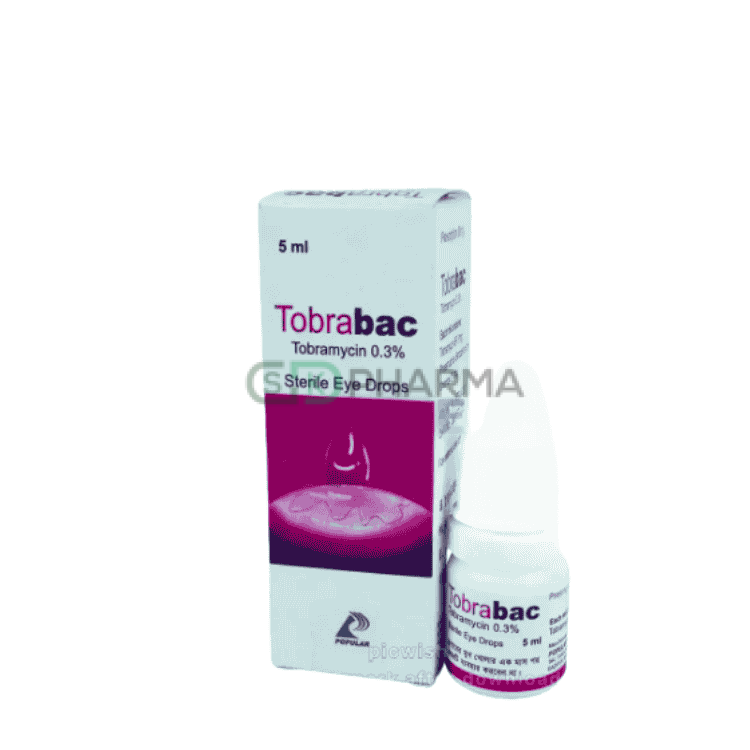
Tobrabac Eye Drop 0.30% (Tobramycin (Ophthalmic))
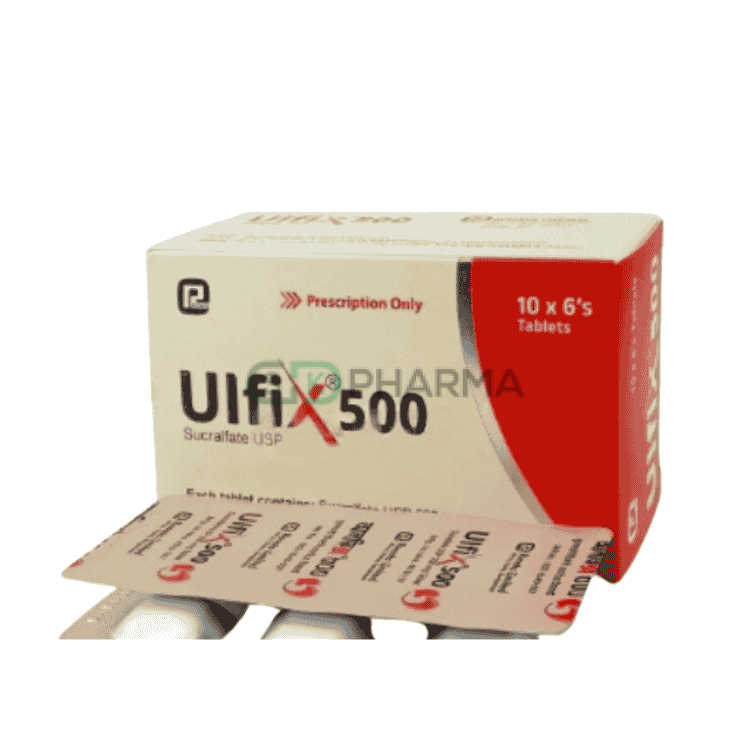
Ulfix Tablet 500 mg (Sucralfate)

Methox Tablet 10 mg (Methotrexate)

Imuzin Tablet 20 mg (Zinc Sulfate Monohydrate)

Clotinex Injection 6000 Anti-Xa IU/0.6 ml (Enoxaparin Sodium)


Betapro Tablet 5 mg (Bisoprolol Fumarate)
Xadu Tablet 100 mg (Roxadustat)
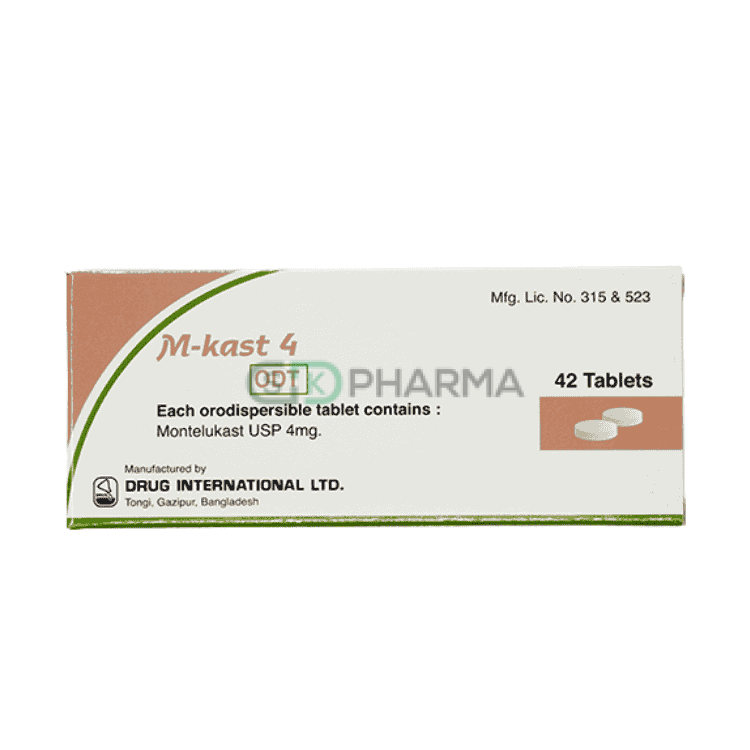
M-Kast Tablet 4 mg (Montelukast Sodium)
Product Queries (0)
Login Or Registerto submit your questions to seller
Other Questions
No none asked to seller yet
-
৳18.80
৳20.00 -
৳3.33
৳3.50 -
৳5.64
৳6.00 -
৳8.46
৳9.00 -
৳18.80
৳20.00


