


Lozicum Injection 4 mg/ml (Lorazepam)
-
 ৳18.80
৳20.00 -
৳3.33
৳3.50 -
৳5.64
৳6.00 -
৳8.46
৳9.00
![Recur Tablet 1 mg (Finasteride [For Androgenic Alopecia])](https://skpharma.com.bd/public/uploads/all/mqB5zpgTubYSB0CMtn0XXhQtwBc22ia6JfYbyrMt.png)

Reviews & Ratings
Lozicum Injection 4 mg/ml is a potent benzodiazepine formulation containing Lorazepam, designed for intravenous or intramuscular use. It is primarily indicated for the management of anxiety, acute agitation, and severe seizure disorders, including status epilepticus. Lorazepam acts rapidly to provide central nervous system (CNS) depressant effects, making it highly effective in emergency and inpatient settings where fast therapeutic action is required.
রেজিস্টার্ড চিকিৎসকের পরামর্শ অনুযায়ী ঔষধ সেবন করুন
Composition
Each milliliter of Lozicum Injection contains:
-
Lorazepam 4 mg
Therapeutic Class
Benzodiazepines – Anxiolytic, Anticonvulsant, Sedative
Pharmacology
Lorazepam is a short- to intermediate-acting benzodiazepine that enhances the activity of gamma-aminobutyric acid (GABA), the primary inhibitory neurotransmitter in the CNS. By binding to specific benzodiazepine sites on the GABA-A receptor complex, Lorazepam increases GABA-mediated chloride ion influx, resulting in neuronal hyperpolarization. This action produces anxiolytic, sedative-hypnotic, anticonvulsant, and muscle relaxant effects.
Key pharmacological effects include:
-
Anxiolytic: Reduces excessive anxiety without significant depression of cognitive function at therapeutic doses.
-
Sedative-Hypnotic: Induces calmness and drowsiness, aiding in short-term relief of severe agitation.
-
Anticonvulsant: Effective in terminating acute seizure activity and preventing recurrence in status epilepticus.
-
Muscle Relaxant: Reduces skeletal muscle spasm and tension.
Lorazepam has a relatively rapid onset of action when administered intravenously, with peak effects occurring within 15–30 minutes. Its duration of action is intermediate, typically lasting 6–8 hours, making it suitable for both acute management and short-term sedation.
Indications
Lozicum Injection 4 mg/ml is indicated for:
-
Management of severe anxiety and agitation when oral therapy is not feasible
-
Short-term sedation in critically ill or preoperative patients
-
Acute treatment of seizure disorders, including status epilepticus
-
Muscle relaxation in specific clinical scenarios where rapid CNS depression is required
Dosage and Administration
-
Intravenous (IV) use: Administer slowly, typically over 2–5 minutes, to minimize risk of respiratory depression and hypotension.
-
Intramuscular (IM) use: May be used when IV access is not available; absorption is slower than IV administration.
-
Adult Dose: For anxiety or sedation: 2–4 mg IV/IM initially, with additional doses titrated according to clinical response. For status epilepticus: 4 mg IV, repeated every 10–15 minutes as required, not exceeding 8 mg in a 12-hour period.
-
Pediatric Dose: Dosage must be individualized according to body weight and clinical scenario; close monitoring is essential.
Administration should be performed by trained healthcare professionals with monitoring for respiratory function, blood pressure, and level of consciousness.
Drug Interactions
-
Concomitant CNS depressants (opioids, barbiturates, alcohol) may potentiate sedative and respiratory depressive effects.
-
May interact with certain anticonvulsants or antihypertensives, requiring careful monitoring.
Contraindications
-
Hypersensitivity to Lorazepam or other benzodiazepines
-
Severe respiratory insufficiency or sleep apnea
-
Acute narrow-angle glaucoma
-
Myasthenia gravis
-
Pregnancy (especially first trimester) unless benefits outweigh risks
Side Effects
Common adverse effects include:
-
Sedation, drowsiness, fatigue
-
Dizziness, ataxia, weakness
-
Hypotension, respiratory depression in higher doses
-
Paradoxical reactions such as agitation, irritability, or aggression (rare)
Precautions and Warnings
-
Use caution in elderly patients, those with hepatic or renal impairment, and in individuals with a history of substance abuse.
-
Abrupt discontinuation after prolonged use may precipitate withdrawal symptoms including anxiety, insomnia, and, in severe cases, seizures.
Storage
Store at 20–25°C, protected from light. Keep out of reach of children.
Related Products

![Hemosol-B Dialysis Solution (Bicarbonate Component [HCO3 Hemodialysis Solution])](https://skpharma.com.bd/public/uploads/all/Gh2uTQDiWkwaGvZGEohNkLwpgKXmyU9iUnGh9ZBE.png)


PPI Injection 40 mg/vial (Omeprazole)

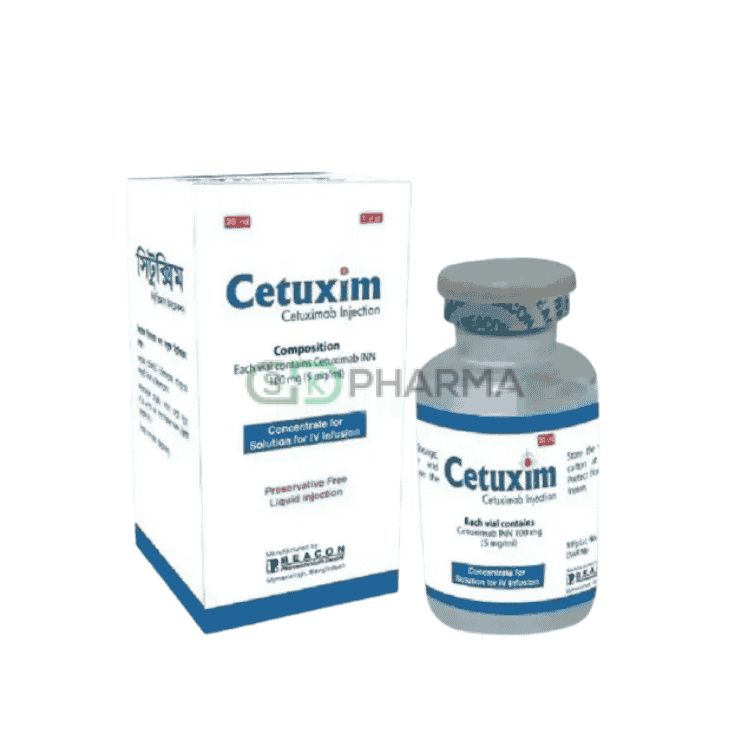
Cetuxim Injection 5 mg/ml (Cetuximab)
Pregaben Oral Solution 100 mg/5 ml (Pregabalin)
Alatrol Syrup 5 mg/5 ml (Cetirizine Hydrochloride)

Cortiment Tablet 9 mg (Budesonide (Tablet))
Product Queries (0)
Login Or Registerto submit your questions to seller
Other Questions
No none asked to seller yet
-
৳18.80
৳20.00 -
৳3.33
৳3.50 -
৳5.64
৳6.00 -
৳8.46
৳9.00


