


Palbocent Capsule 125 mg (Palbociclib)
-
 ৳18.80
৳20.00 -
৳3.33
৳3.50 -
৳5.64
৳6.00 -
৳8.46
৳9.00


![Recur Tablet 1 mg (Finasteride [For Androgenic Alopecia])](https://skpharma.com.bd/public/uploads/all/mqB5zpgTubYSB0CMtn0XXhQtwBc22ia6JfYbyrMt.png)
Reviews & Ratings
Palbocent 125 mg is an oral, selective cyclin-dependent kinase 4 and 6 (CDK4/6) inhibitor used for the treatment of hormone receptor (HR)-positive, HER2-negative advanced or metastatic breast cancer. It is prescribed in combination with endocrine therapy, such as aromatase inhibitors or fulvestrant, to improve tumor growth control in patients whose cancers are driven by estrogen signaling. Palbocent works by blocking cell cycle progression from the G1 phase to the S phase, thereby preventing cancer cell proliferation.
রেজিস্টার্ড চিকিৎসকের পরামর্শ অনুযায়ী ঔষধ সেবন করুন
Therapeutic Class
-
Targeted Cancer Therapy
-
Cyclin-Dependent Kinase (CDK) Inhibitor
Indications
Palbocent 125 mg is indicated for:
-
HR-positive, HER2-negative advanced or metastatic breast cancer in combination with:
-
An aromatase inhibitor as initial endocrine-based therapy in postmenopausal women.
-
Fulvestrant in women with disease progression following prior endocrine therapy.
-
Pharmacology / Mode of Action
Palbocent 125 mg selectively inhibits CDK4 and CDK6, enzymes essential for cell cycle progression. These kinases, together with cyclin D1, phosphorylate the retinoblastoma (Rb) protein, allowing cancer cells to transition from the G1 to S phase. By inhibiting CDK4/6, Palbocent prevents Rb phosphorylation, reduces E2F transcription factor activity, and induces cell cycle arrest.
In preclinical studies, combining Palbocent with antiestrogen therapy enhanced cellular senescence, inhibited tumor proliferation, and increased growth arrest more effectively than either agent alone. Patient-derived xenograft studies demonstrated superior tumor growth inhibition with combination therapy.
Dosage and Administration
-
Recommended dose: 125 mg orally once daily for 21 consecutive days, followed by 7 days off treatment, completing a 28-day cycle.
-
Take with food at the same time each day.
-
Dose adjustments:
-
First reduction: 100 mg/day
-
Second reduction: 75 mg/day
-
If further reduction is needed, discontinue treatment.
-
-
Use in combination with an aromatase inhibitor or fulvestrant.
-
Not indicated for pediatric use.
Drug Interactions
-
Palbocent is metabolized mainly by CYP3A and SULT2A1.
-
CYP3A inhibitors (e.g., itraconazole, ketoconazole) may increase plasma concentration; dose adjustment is advised.
-
CYP3A inducers (e.g., rifampin, phenytoin, St. John’s Wort) may reduce effectiveness.
-
Palbocent may increase exposure to drugs metabolized by CYP3A with narrow therapeutic indices (e.g., cyclosporine, sirolimus).
Contraindications
-
None identified.
Side Effects
Common adverse reactions:
-
Neutropenia, leukopenia, anemia, thrombocytopenia
-
Fatigue, nausea, vomiting, diarrhea
-
Hair loss, rash, inflammation of the mouth and lips
-
Elevated liver enzymes (AST, ALT)
Precautions & Warnings:
-
Neutropenia: Monitor complete blood counts regularly; dose interruption or reduction may be required.
-
Embryo-fetal toxicity: Can cause harm to the fetus. Advise effective contraception during treatment and for at least 3 weeks after the last dose.
-
Monitor for infections, liver function abnormalities, and gastrointestinal disturbances.
Overdose
-
No specific antidote. Supportive measures are recommended.
Pregnancy & Lactation
-
Pregnancy Category: Can cause fetal harm; use only if benefits outweigh risks.
-
Lactation: Advise not to breastfeed during treatment.
Storage
-
Store below 30°C, protected from light and moisture.
-
Keep out of reach of children.
Related Products

Caboxen 80 mg (Cabozantinib)
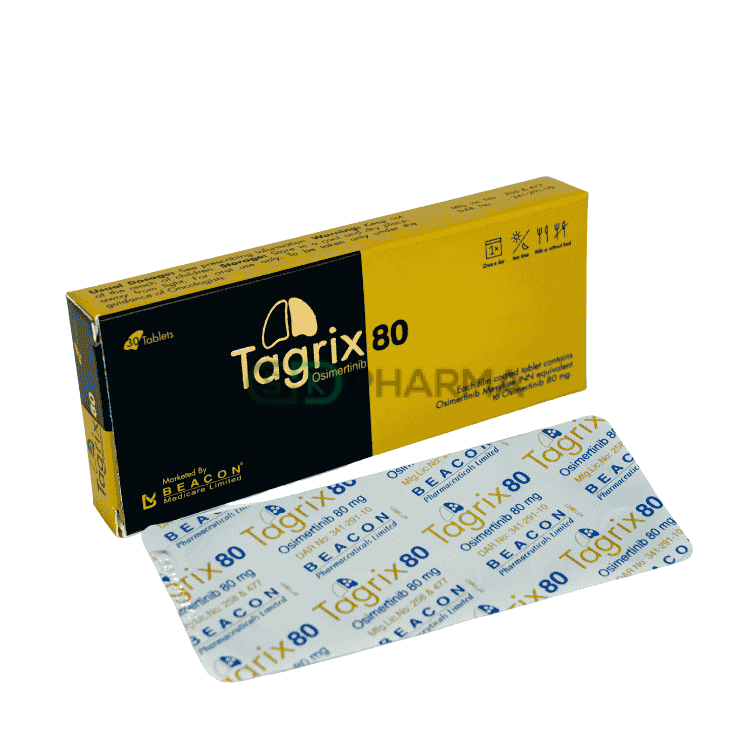
Tagrix 80 mg (Osimertinib)

Capmaxen 200 mg (Capmatinib)

Ibruxen 140 mg (Ibrutinib)

Alecnib 150 mg (Alectinib)
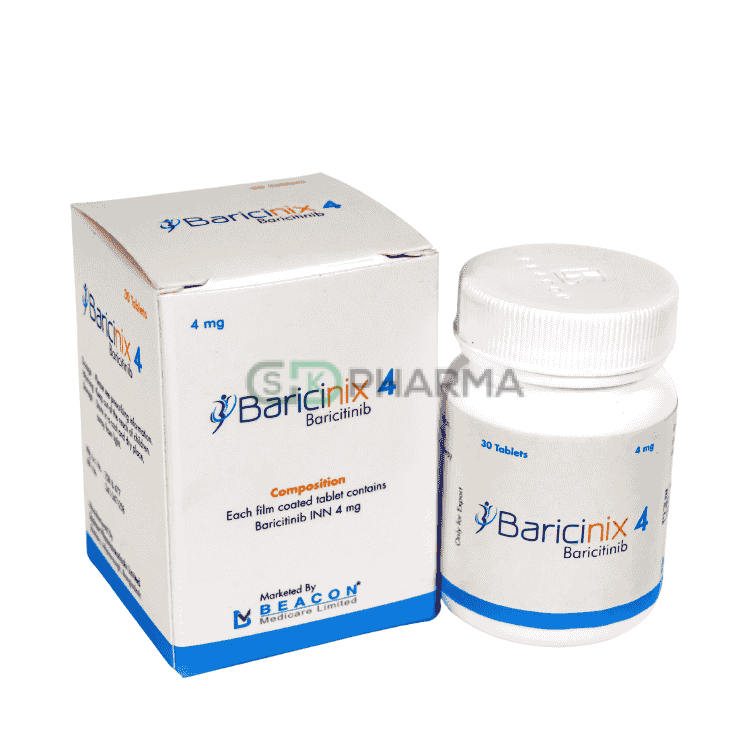
Baricinix 4 mg (Baricitinib)

Ivosidenib 250 mg (Ivosenib)

Tucaxen 150 mg (Tucatinib)

Sunitix 25 mg (Sunitinib)

Prostaxen 60 mg (Apalutamide)
Product Queries (0)
Login Or Registerto submit your questions to seller
Other Questions
No none asked to seller yet
-
৳18.80
৳20.00 -
৳3.33
৳3.50 -
৳5.64
৳6.00 -
৳8.46
৳9.00


