


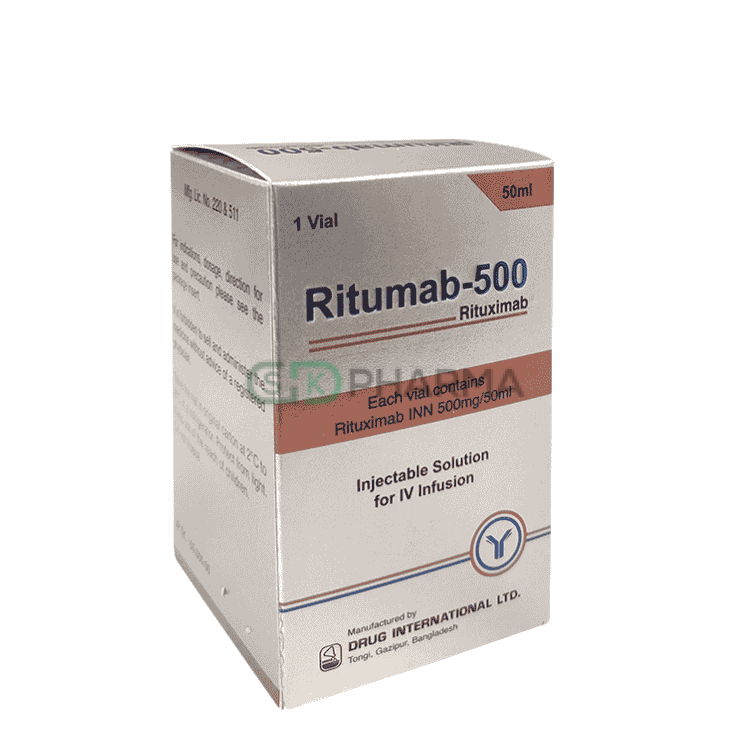
Ritumab Injection 10 mg/ml (Rituximab)
-
 ৳18.80
৳20.00 -
৳3.33
৳3.50 -
৳5.64
৳6.00 -
৳8.46
৳9.00
![Recur Tablet 1 mg (Finasteride [For Androgenic Alopecia])](https://skpharma.com.bd/public/uploads/all/mqB5zpgTubYSB0CMtn0XXhQtwBc22ia6JfYbyrMt.png)

Reviews & Ratings
Ritumab Injection 10 mg/ml contains Rituximab, a monoclonal antibody used in the treatment of various blood cancers and autoimmune disorders. Rituximab specifically targets the CD20 protein found on the surface of B-lymphocytes, a type of white blood cell involved in both malignancies and certain autoimmune diseases.
Ritumab is primarily administered under medical supervision in hospitals or specialized clinics. It has transformed the management of B-cell malignancies and autoimmune conditions due to its targeted mechanism of action, which helps reduce disease activity while minimizing damage to healthy tissues.
রেজিস্টার্ড চিকিৎসকের পরামর্শ অনুযায়ী ঔষধ সেবন করুন
Composition
-
Rituximab 10 mg/ml per vial
Mechanism of Action
Rituximab is a chimeric monoclonal antibody that binds selectively to the CD20 antigen on B-lymphocytes. By attaching to CD20, Rituximab:
-
Triggers immune-mediated destruction of B-cells through complement-dependent cytotoxicity (CDC)
-
Induces antibody-dependent cellular cytotoxicity (ADCC)
-
Promotes apoptosis (programmed cell death) of abnormal or overactive B-cells
This selective targeting allows the drug to reduce malignant or autoreactive B-cells while preserving other immune cells, resulting in effective disease control.
Indications
Ritumab Injection 10 mg/ml is indicated for:
-
Non-Hodgkin’s lymphoma (NHL)
-
Chronic lymphocytic leukemia (CLL)
-
Rheumatoid arthritis (in patients not responding to standard therapy)
-
Certain autoimmune disorders involving B-cell dysfunction
-
Off-label use under physician supervision for other B-cell mediated conditions
It is used alone or in combination with chemotherapy, immunosuppressants, or other targeted therapies depending on the disease and patient condition.
Dosage and Administration
Ritumab Injection is administered intravenously under professional supervision. The dosage schedule varies based on the condition being treated, patient weight, and response to therapy.
-
For B-cell malignancies, the infusion is typically repeated in cycles as prescribed by an oncologist.
-
For autoimmune conditions like rheumatoid arthritis, Rituximab is given as a series of infusions with monitoring for infusion-related reactions.
Pre-medication with antihistamines, acetaminophen, or corticosteroids is commonly recommended to reduce the risk of infusion reactions. Patients should be monitored closely during and after administration.
Benefits
-
Targets and eliminates abnormal or overactive B-cells
-
Reduces disease progression in blood cancers
-
Controls autoimmune activity and inflammation
-
Can be used in combination with other therapies for enhanced efficacy
-
Improves survival and quality of life in treated patients
Precautions
Ritumab should be used cautiously in patients with active infections, hepatitis B, or compromised immune systems. Regular monitoring of blood counts, liver function, and infection status is necessary.
Patients should be screened for latent infections such as tuberculosis and hepatitis before starting therapy. Vaccinations should be updated prior to treatment, but live vaccines are not recommended during therapy.
রেজিস্টার্ড চিকিৎসকের পরামর্শ অনুযায়ী ঔষধ সেবন করুন
Possible Side Effects
Common side effects may include:
-
Fever, chills, and fatigue
-
Nausea or headache
-
Infusion-related reactions such as hypotension or rash
-
Increased susceptibility to infections
Rare but serious reactions may include severe allergic reactions, cardiac events, progressive multifocal leukoencephalopathy (PML), or severe infections. Immediate medical attention is required if these occur.
Storage
Store between 2–8°C in a refrigerator. Protect from light and do not freeze. Use only if the solution is clear and free of particulate matter. Keep out of reach of children.
Ritumab Injection 10 mg/ml provides targeted therapy for B-cell malignancies and autoimmune disorders, offering effective disease management under specialized medical supervision.
Related Products

Provair Tablet 10 mg (Montelukast Sodium)
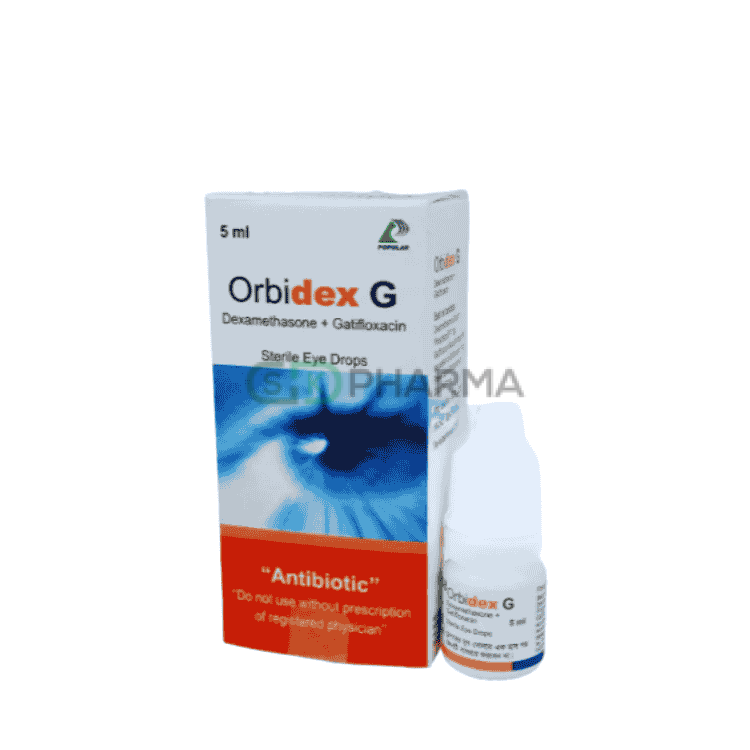
Orbidex G Eye Drop 0.3%+0.1% (Gatifloxacin + Dexamethasone)


Razosin ER Tablet 2.5 mg (Prazosin Hydrochloride)

Salmolin Syrup 2 mg/5 ml (Salbutamol)
Imigra Capsule 10 mg (Flunarizine)

Epitra Tablet 0.5 mg (Clonazepam)

Flugal Injection 200 mg/100 ml (Fluconazole)
Product Queries (0)
Login Or Registerto submit your questions to seller
Other Questions
No none asked to seller yet
-
৳18.80
৳20.00 -
৳3.33
৳3.50 -
৳5.64
৳6.00 -
৳8.46
৳9.00


