


Sensipin Tablet 25 mg (Clozapine)
-
 ৳18.80
৳20.00 -
৳3.33
৳3.50 -
৳5.64
৳6.00 -
৳8.46
৳9.00
![Recur Tablet 1 mg (Finasteride [For Androgenic Alopecia])](https://skpharma.com.bd/public/uploads/all/mqB5zpgTubYSB0CMtn0XXhQtwBc22ia6JfYbyrMt.png)

Reviews & Ratings
Sensipin 25 mg is an oral antipsychotic medication containing Clozapine, primarily indicated for the management of treatment-resistant schizophrenia and for reducing the risk of recurrent suicidal behavior in patients with schizophrenia or schizoaffective disorder. Clozapine is classified as an atypical antipsychotic, distinguished by its efficacy in patients who do not respond adequately to other antipsychotics. It works by modulating the activity of multiple neurotransmitter systems in the brain, particularly dopamine and serotonin receptors, which are believed to play a key role in psychotic disorders.
Sensipin 25 mg is particularly effective in alleviating positive symptoms of schizophrenia, such as hallucinations and delusions, as well as negative symptoms, including social withdrawal, apathy, and emotional flattening. Its unique receptor profile allows it to provide therapeutic effects with a lower risk of extrapyramidal symptoms compared to typical antipsychotics.
রেজিস্টার্ড চিকিৎসকের পরামর্শ অনুযায়ী ঔষধ সেবন করুন
Indications
Sensipin 25 mg is indicated for:
-
Treatment-resistant schizophrenia, in patients who have not responded adequately to standard antipsychotic therapy
-
Prevention of recurrent suicidal behavior in patients with schizophrenia or schizoaffective disorder
-
Severe psychotic episodes where conventional antipsychotics are ineffective
Therapeutic Class
-
Atypical Antipsychotics
Pharmacology
Clozapine, the active component in Sensipin 25 mg, exhibits:
-
High affinity for dopamine D4 receptors and moderate affinity for D1, D2, and D3 receptors
-
Potent serotonin 5-HT2A/2C receptor antagonism, contributing to improvement in negative and cognitive symptoms
-
Antagonistic activity at adrenergic, cholinergic, and histaminergic receptors, which influences side effect profiles and sedative properties
Clozapine's broad receptor activity underlies its effectiveness in treatment-resistant psychosis and suicide risk reduction, while its lower D2 receptor blockade accounts for a reduced incidence of movement-related side effects compared to conventional antipsychotics.
Dosage and Administration
-
Initial Dose: 12.5 mg once or twice daily, adjusted based on patient response
-
Titration: Dose is gradually increased, typically in increments of 25–50 mg per day, to minimize adverse effects
-
Maintenance Dose: Usually 300–450 mg/day in divided doses; some patients may require up to 600 mg/day
-
Administration: Oral, with or without food; tablets should be swallowed whole, not chewed or crushed
-
Monitoring: Regular blood tests (absolute neutrophil count, ANC) are mandatory to monitor for agranulocytosis, a rare but serious adverse effect
Contraindications
-
Known hypersensitivity to clozapine or any excipients
-
History of agranulocytosis or severe leukopenia
-
Active myeloproliferative disorders or bone marrow suppression
-
Uncontrolled epilepsy or severe CNS depression
-
Concomitant use with medications that cause significant bone marrow suppression
Side Effects
Common adverse effects include:
-
Sedation, drowsiness, and fatigue
-
Weight gain and metabolic changes, including hyperglycemia and dyslipidemia
-
Orthostatic hypotension, tachycardia, and dizziness
-
Constipation and hypersalivation
-
Rare but serious: agranulocytosis, myocarditis, seizures, and severe constipation leading to ileus
Patients are advised to report any fever, sore throat, or unusual bleeding/bruising immediately, as these may indicate hematological complications.
Pregnancy and Lactation
-
Pregnancy Category C: Use only if clearly needed; potential risk to the fetus is unknown
-
Excretion in breast milk is possible; nursing is generally not recommended during therapy
Precautions and Warnings
-
Regular hematologic monitoring is mandatory to detect early signs of neutropenia
-
Use cautiously in patients with cardiovascular disease, seizure history, or liver/renal impairment
-
Avoid abrupt discontinuation; taper dose gradually under medical supervision
-
Monitor blood pressure and ECG in patients at risk for hypotension or cardiac events
Storage Conditions
-
Store below 30°C, protected from light and moisture
-
Keep out of reach of children
Mode of Action
Clozapine acts as an atypical antipsychotic by modulating multiple neurotransmitter systems. Its dopamine D4 receptor antagonism reduces psychotic symptoms, while serotonin 5-HT2A/2C receptor blockade helps improve negative and cognitive symptoms. This broad spectrum of action makes Sensipin 25 mg effective for treatment-resistant schizophrenia and in reducing the risk of suicidal behavior in high-risk patients.
Related Products

Opton Tablet 40 mg (Esomeprazole)

Nalphin Injection 10 mg/ml (Nalbuphine)

MSL Oral Solution 5 mg/5 ml (Morphine Sulfate)


Kidcare Syrup (Jirakaddarista)

Cefobac Injection 750 mg/vial (Cefuroxime Axetil)

Traneta Tablet 5 mg (Linagliptin)

A-Fenac Tablet 50 mg (Diclofenac Sodium)
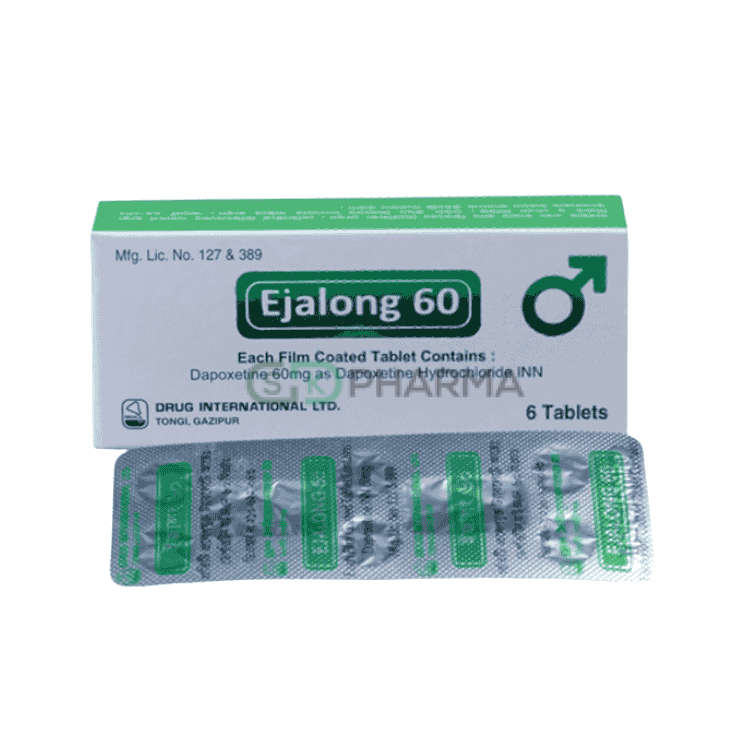
Ejalong Tablet 60 mg (Dapoxetine Hydrochloride)

Product Queries (0)
Login Or Registerto submit your questions to seller
Other Questions
No none asked to seller yet
-
৳18.80
৳20.00 -
৳3.33
৳3.50 -
৳5.64
৳6.00 -
৳8.46
৳9.00


