


Trihexy Tablet 5 mg (Trihexyphenidyl Hydrochloride)
-
 ৳18.80
৳20.00 -
৳3.33
৳3.50 -
৳5.64
৳6.00 -
৳32.90
৳35.00
![Recur Tablet 1 mg (Finasteride [For Androgenic Alopecia])](https://skpharma.com.bd/public/uploads/all/mqB5zpgTubYSB0CMtn0XXhQtwBc22ia6JfYbyrMt.png)

Reviews & Ratings
Indications
Trihexy Tablet 5 mg (Trihexyphenidyl Hydrochloride) is indicated as an adjunct therapy in the management of all forms of parkinsonism, including postencephalitic, arteriosclerotic, and idiopathic Parkinson’s disease. It is also used for the control of extrapyramidal disorders induced by central nervous system medications such as dibenzoxazepines, phenothiazines, thioxanthenes, and butyrophenones.
Therapeutic Class
Antiparkinson Drugs
Pharmacology
Trihexyphenidyl Hydrochloride is a centrally acting anticholinergic agent and a non-selective muscarinic acetylcholine receptor antagonist, with relatively higher affinity for the M1 receptor subtype. It predominantly acts on central muscarinic receptors located in the cerebral cortex, with lower affinity for peripheral receptors.
Additionally, trihexyphenidyl may influence nicotinic acetylcholine receptor neurotransmission, indirectly enhancing dopamine release within the striatum. Although its precise mechanism of action is not fully understood, these effects contribute to the reduction of rigidity, tremor, and other movement-related symptoms associated with Parkinson’s disease and drug-induced extrapyramidal disorders.
রেজিস্টার্ড চিকিৎসকের পরামর্শ অনুযায়ী ঔষধ সেবন করুন
Dosage & Administration
Dosage should be individualized according to patient response and tolerance. Treatment should begin with a low dose and increased gradually, especially in patients over 60 years of age. Administration before or after meals should be determined based on patient tolerance.
Idiopathic Parkinsonism:
-
Initial dose: 1 mg on the first day
-
Dose may be increased by 2 mg increments every 3–5 days
Drug-Induced Parkinsonism:
-
Start with 1 mg daily
-
Total daily dose may be gradually increased to a range of 5–15 mg if extrapyramidal symptoms persist
Concomitant Use with Levodopa:
-
Recommended daily dose: 3–6 mg
All dosage adjustments should be made under medical supervision.
Drug Interactions
-
Alcohol, cannabinoids, barbiturates, sedatives, and other CNS depressants may have additive sedative effects
-
Concurrent use with alcohol or CNS depressants may increase the risk of excessive sedation
-
Use may be contraindicated in patients receiving monoamine oxidase inhibitors or tricyclic antidepressants
Contraindications
-
Hypersensitivity to trihexyphenidyl hydrochloride or any component of the formulation
-
Patients with narrow-angle glaucoma
-
Long-term use in patients with narrow-angle glaucoma may lead to visual impairment
Side Effects
Common side effects are usually mild and may include:
-
Dry mouth
-
Blurred vision
-
Dizziness
-
Mild nausea
-
Nervousness
Other possible adverse effects include constipation, drowsiness, urinary hesitancy or retention, pupil dilation, increased intraocular pressure, vomiting, headache, mental confusion, agitation, and behavioral disturbances, particularly in elderly patients or those with arteriosclerosis.
রেজিস্টার্ড চিকিৎসকের পরামর্শ অনুযায়ী ঔষধ সেবন করুন
Pregnancy & Lactation
Trihexyphenidyl is classified as Pregnancy Category C. It should be used during pregnancy only if the potential benefit to the mother outweighs the possible risk to the fetus.
It is not known whether trihexyphenidyl is excreted in human breast milk. Caution is advised when prescribing to nursing mothers, and use should be limited to situations where the expected benefit justifies the potential risk to the infant.
Precautions & Warnings
-
Patients with cardiac, hepatic, renal disorders, or hypertension should be closely monitored
-
Use with caution in patients with glaucoma, gastrointestinal or genitourinary obstruction, and elderly males with possible prostatic hypertrophy
-
Not recommended for patients with tardive dyskinesia unless associated with Parkinson’s disease
-
Abrupt discontinuation may cause acute worsening of parkinsonism symptoms and should be avoided
Storage Conditions
Store below 30°C. Protect from light. Keep out of the reach of children.
Related Products


Ceftipime Injection 2 gm/vial (Cefepime Hydrochloride)

Robic Tablet 500 mg (Ornidazole)
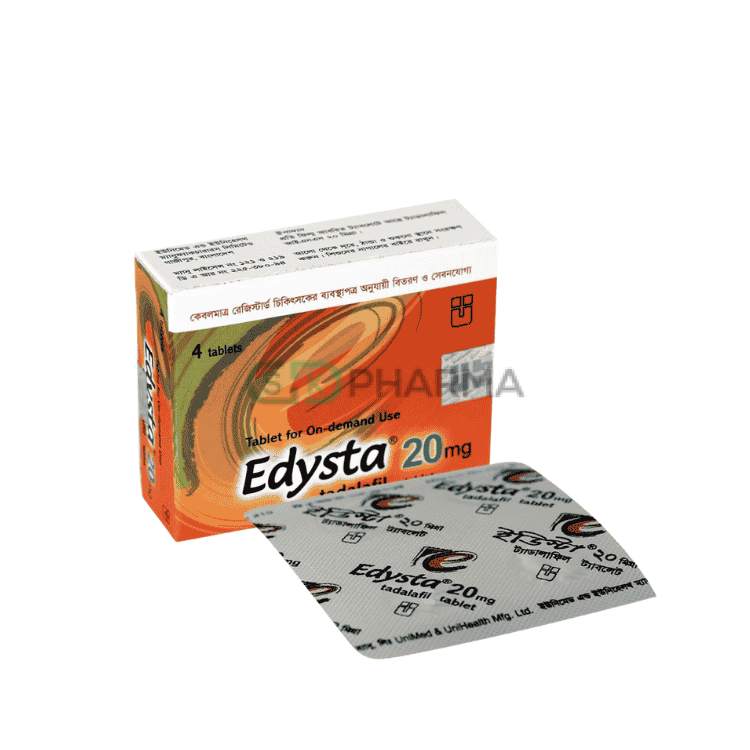
Edysta Tablet 20 mg (Tadalafil)
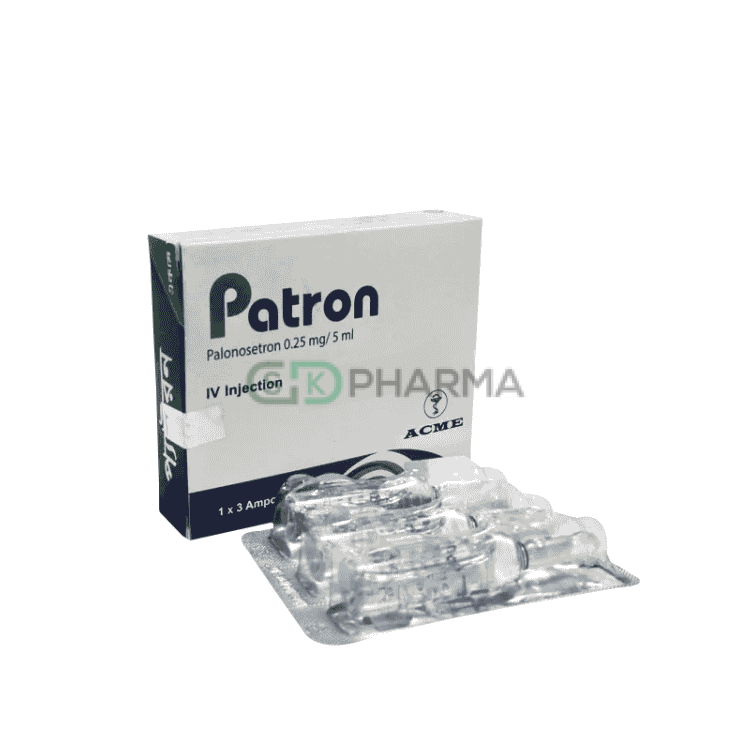
Patron Injection 0.25 mg/5 ml (Palonosetron)


Catalan Eye Drop 0.09% (Bromfenac Sodium)
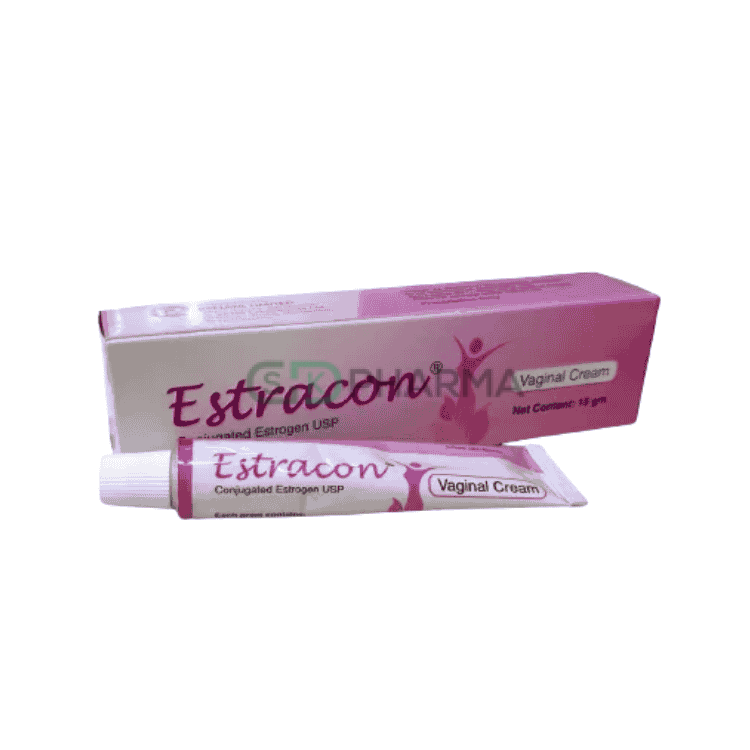
Estracon Vaginal Cream 0.06% (Conjugated Estrogen (Cream))
Product Queries (0)
Login Or Registerto submit your questions to seller
Other Questions
No none asked to seller yet
-
৳18.80
৳20.00 -
৳3.33
৳3.50 -
৳5.64
৳6.00 -
৳32.90
৳35.00


