


Ultrapime Injection 500 mg/vial (Cefepime Hydrochloride)
-
 ৳18.80
৳20.00 -
৳3.33
৳3.50 -
৳5.64
৳6.00 -
৳8.46
৳9.00

![Recur Tablet 1 mg (Finasteride [For Androgenic Alopecia])](https://skpharma.com.bd/public/uploads/all/mqB5zpgTubYSB0CMtn0XXhQtwBc22ia6JfYbyrMt.png)


Reviews & Ratings
Ultrapime Injection 500 mg/vial contains Cefepime Hydrochloride, a fourth-generation cephalosporin antibiotic designed for the treatment of serious bacterial infections caused by susceptible organisms. This injectable formulation is highly effective against a broad spectrum of Gram-positive and Gram-negative bacteria, including strains resistant to other cephalosporins.
Cefepime, the active ingredient in Ultrapime Injection, offers potent antibacterial activity by inhibiting bacterial cell wall synthesis, ultimately causing cell lysis and death. The drug is particularly effective in hospital-acquired infections, severe community-acquired infections, and complicated infections that require rapid intravenous therapy. Ultrapime Injection is administered parenterally, providing rapid and reliable therapeutic levels for critically ill patients.
This antibiotic is commonly used in settings where oral therapy is inadequate, or when high tissue concentrations are required to manage severe infections such as septicemia, pneumonia, urinary tract infections, and intra-abdominal infections.
রেজিস্টার্ড চিকিৎসকের পরামর্শ অনুযায়ী ঔষধ সেবন করুন
Therapeutic Class
Fourth-generation Cephalosporin – Parenteral Antibiotic
Indications
Ultrapime Injection 500 mg/vial is indicated for the treatment of infections caused by susceptible microorganisms, including:
-
Severe lower respiratory tract infections: Community-acquired and hospital-acquired pneumonia
-
Complicated urinary tract infections (UTIs): Including pyelonephritis
-
Skin and soft tissue infections: Caused by susceptible Gram-positive and Gram-negative bacteria
-
Intra-abdominal infections: As part of combination therapy with metronidazole
-
Septicemia and bacteremia: Where rapid systemic antibiotic therapy is required
-
Febrile neutropenia: In immunocompromised patients at risk of bacterial infections
Cefepime is often preferred in serious infections caused by Pseudomonas aeruginosa, Enterobacter spp., Escherichia coli, and Klebsiella pneumoniae, including strains producing beta-lactamases.
Pharmacology
Cefepime Hydrochloride is a beta-lactam antibiotic that interferes with bacterial cell wall synthesis by binding to penicillin-binding proteins (PBPs). This action leads to inhibition of peptidoglycan cross-linking, resulting in bacterial cell death.
-
Spectrum of Activity: Broad-spectrum, effective against both Gram-positive (e.g., Staphylococcus aureus, Streptococcus pneumoniae) and Gram-negative bacteria (e.g., E. coli, Klebsiella spp., Pseudomonas spp.).
-
Resistance Profile: Stable against many beta-lactamases produced by Gram-negative bacteria, including some strains resistant to third-generation cephalosporins.
-
Pharmacokinetics:
-
Administered intravenously (IV) or intramuscularly (IM)
-
Widely distributed in body tissues and fluids, including lungs, kidneys, and bile
-
Approximately 85% excreted unchanged in urine via glomerular filtration and tubular secretion
-
Half-life: 2 hours in patients with normal renal function
-
Mode of Action
-
Inhibits bacterial cell wall synthesis by binding to PBPs
-
Causes bacterial lysis and death
-
Provides rapid bactericidal activity against susceptible pathogens
Dosage and Administration
Adults:
-
Mild to moderate infections: 500 mg IV/IM every 12 hours
-
Severe infections or immunocompromised patients: 1–2 g IV every 8–12 hours depending on infection severity and renal function
Pediatric Patients:
-
Dosage is based on body weight and severity of infection; generally, 50 mg/kg IV/IM every 12 hours
Renal Impairment:
-
Dose adjustment is necessary for patients with creatinine clearance <60 mL/min to avoid drug accumulation and toxicity
Administration Notes:
-
Reconstitute with sterile water for injection, 0.9% sodium chloride, or dextrose solution
-
Administer IV slowly over 3–5 minutes or by IV infusion over 30 minutes
-
IM administration should be done using a suitable muscle site, avoiding intradermal injection
Contraindications
-
Hypersensitivity to cefepime, other cephalosporins, or beta-lactam antibiotics
-
History of severe allergic reaction to penicillins
Side Effects
Common adverse reactions include:
-
Gastrointestinal disturbances: nausea, vomiting, diarrhea
-
Local reactions: pain, inflammation at injection site
-
Rare reactions: rash, urticaria, fever, eosinophilia
-
Neurotoxicity: Seizures may occur in patients with severe renal impairment if dosage is not adjusted
Precautions and Warnings
-
Use with caution in patients with renal impairment, as dose adjustments are necessary
-
Monitor for signs of Clostridium difficile-associated diarrhea during prolonged therapy
-
Cross-reactivity may occur in patients with penicillin allergy
-
Monitor for hematologic changes, liver enzyme elevations, and nephrotoxicity during extended treatment
Pregnancy and Lactation
-
Pregnancy Category B: Animal studies have not demonstrated risk; limited human data available
-
Caution is advised during lactation as cefepime is excreted in breast milk
Storage Conditions
-
Store at 20–25°C, protected from light
-
Keep vials in a dry place, out of reach of children
-
Reconstituted solution should be used immediately or stored under recommended conditions.
Related Products

Bactamox Tablet 500 mg (Amoxicillin Trihydrate)
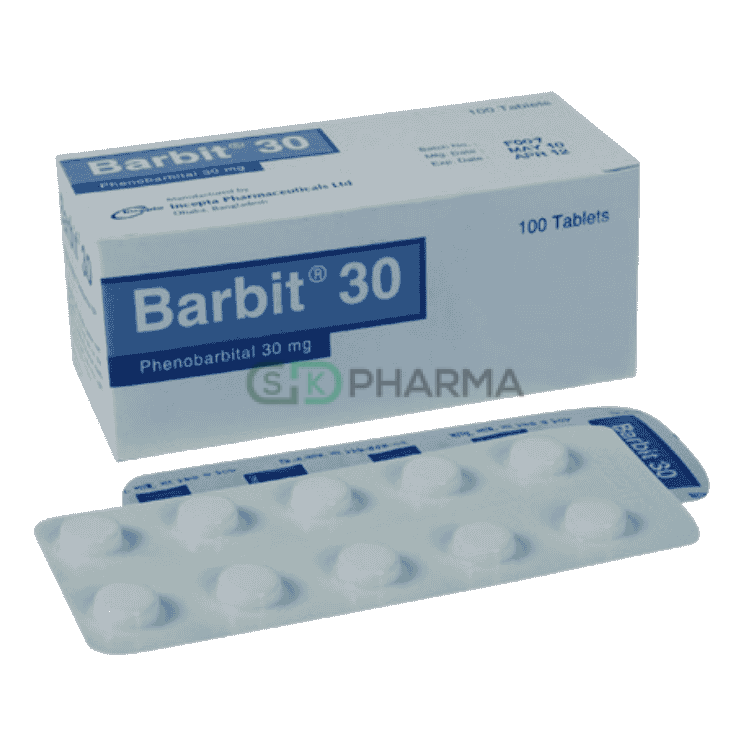
Barbit Tablet 30 mg (Phenobarbital)


Kanopas Tablet 10 mg (Finerenone)

Estellis Tablet 3 mg+14.2 mg (Drospirenone + Estetrol)

Daxetin Tablet 30 mg (Dapoxetine Hydrochloride)


Onaseron Oral Solution 4 mg/5 ml (Ondansetron)
Product Queries (0)
Login Or Registerto submit your questions to seller
Other Questions
No none asked to seller yet
-
৳18.80
৳20.00 -
৳3.33
৳3.50 -
৳5.64
৳6.00 -
৳8.46
৳9.00


