


Frenia Tablet 1 mg (Risperidone)
-
 ৳18.80
৳20.00 -
৳3.33
৳3.50 -
৳5.64
৳6.00 -
৳8.46
৳9.00
![Recur Tablet 1 mg (Finasteride [For Androgenic Alopecia])](https://skpharma.com.bd/public/uploads/all/mqB5zpgTubYSB0CMtn0XXhQtwBc22ia6JfYbyrMt.png)

Reviews & Ratings
Frenia 1 mg Tablet is an atypical antipsychotic designed for the treatment of schizophrenia, bipolar disorder, and other psychotic conditions. It helps manage both positive symptoms of psychosis, such as hallucinations, delusions, and hostility, and negative symptoms, including emotional withdrawal, blunted affect, and reduced speech. Frenia also alleviates affective symptoms like anxiety, depression, and guilt associated with schizophrenia. In addition, it is effective in maintaining clinical improvement during continuation therapy and managing manic episodes in bipolar disorder.
রেজিস্টার্ড চিকিৎসকের পরামর্শ অনুযায়ী ঔষধ সেবন করুন
Indications
Frenia 1 mg is indicated for:
-
Acute and chronic schizophrenic psychoses
-
Other psychotic disorders with prominent positive and/or negative symptoms
-
Alleviation of affective symptoms associated with schizophrenia
-
Continuation therapy in patients responding to initial treatment
-
Management of manic episodes in bipolar disorder
Therapeutic Class
Atypical Neuroleptic Drugs
Pharmacology
Frenia 1 mg is a selective monoaminergic antagonist with a high affinity for:
-
Serotonin 5-HT2 receptors
-
Dopamine D2 receptors
It also binds to alpha1 adrenergic receptors and, to a lesser extent, H1 histamine and alpha2 adrenergic receptors, while showing no affinity for cholinergic receptors.
By antagonizing D2 receptors, Frenia improves positive symptoms without significantly depressing motor activity. Its balanced serotonin-dopamine antagonism may reduce the risk of extrapyramidal side effects and extends therapeutic effects to negative and affective symptoms of schizophrenia.
Dosage & Administration
Psychoses:
-
Day 1: 2 mg in 1–2 divided doses
-
Day 2: 4 mg in 1–2 divided doses
-
Usual dose: 4–6 mg daily
-
Maximum: 16 mg daily (only if benefits outweigh risks)
Elderly or hepatic/renal impairment:
-
Start at 1 mg daily in two divided doses; increase gradually in 1–2 mg increments
Mania:
-
Initial dose: 2 mg once daily; titrate by 1 mg daily as needed
-
Usual range: 1–6 mg daily
Schizophrenia:
-
Start with 1 mg twice daily
-
Increase by 1 mg BID over the first 2–3 days to a target of 3 mg BID
-
Adjustments should occur at intervals of at least 1 week, with small increments/decrements of 1–2 mg
Drug Interactions
-
May antagonize levodopa and dopamine agonists
-
Chronic use with carbamazepine reduces Frenia clearance
-
Chronic use with clozapine may decrease Frenia clearance
-
May enhance the effects of certain antihypertensives
Contraindications
-
Hypersensitivity to Frenia or any of its components
Side Effects
Common adverse effects include:
-
Insomnia, agitation, anxiety, headache
-
Less common: drowsiness, impaired concentration, fatigue, blurred vision, constipation, nausea, vomiting, dyspepsia, abdominal pain
-
Others: hyperprolactinemia, urinary incontinence, tachycardia, hypertension, edema, rash, rhinitis, cerebrovascular events, neutropenia, thrombocytopenia
Pregnancy & Lactation
-
Pregnancy: Safety not established; animal studies show no teratogenicity but some prolactin- and CNS-mediated effects
-
Lactation: Excreted in human breast milk; breastfeeding is not recommended
Precautions & Warnings
-
Use cautiously in patients with cardiovascular disease, renal or hepatic impairment, epilepsy, Parkinson’s disease, and in elderly patients
-
Monitor for signs of tardive dyskinesia and discontinue if symptoms occur
-
Exercise caution during pregnancy
Overdose
Symptoms: drowsiness, sedation, tachycardia, hypotension, and extrapyramidal effects. Severe cases may require anticholinergic treatment and close medical monitoring. No specific antidote is available.
Storage Conditions
Store in a cool, dry place, protected from light.
Related Products

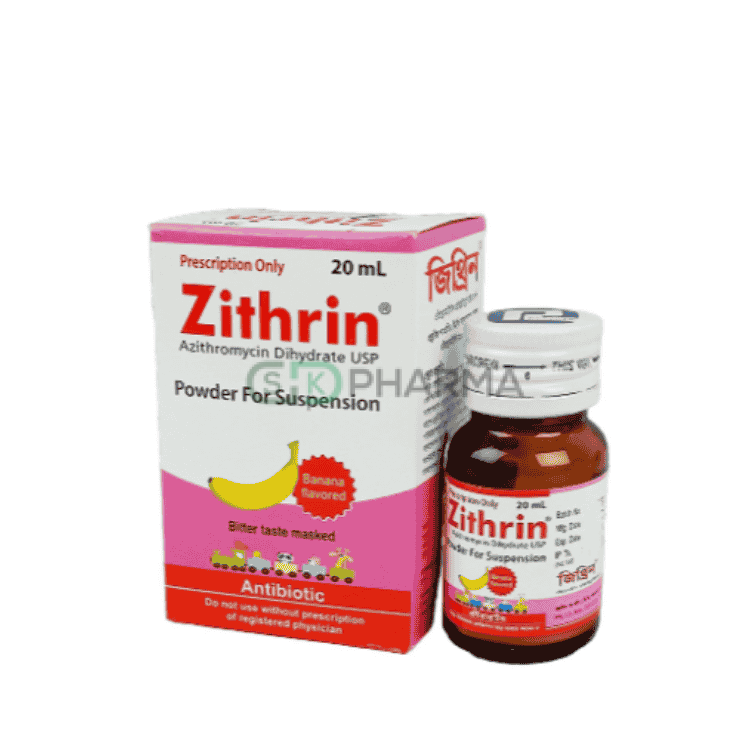
Zithrin Suspension 200 mg/5 ml (Azithromycin Dihydrate)

Kop SR Capsule 100 mg (Ketoprofen)
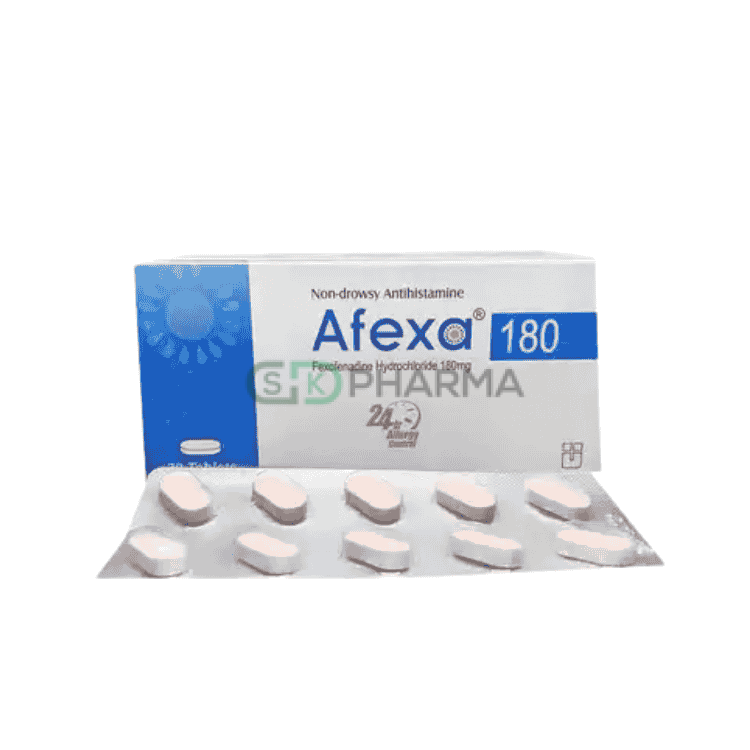
Afexa Tablet 180 mg (Fexofenadine Hydrochloride)
MMF Tablet 500 mg (Mycophenolate Mofetil)
Dextac Capsule 60 mg (Dexlansoprazole)
![Avilam Tablet 150 mg (Lamivudine [For HIV Infection])](https://skpharma.com.bd/public/uploads/all/tKOoXYid6eoL19h3msFuf32WgPREHq3YBdsuRndm.png)
Avilam Tablet 150 mg (Lamivudine [For HIV Infection])
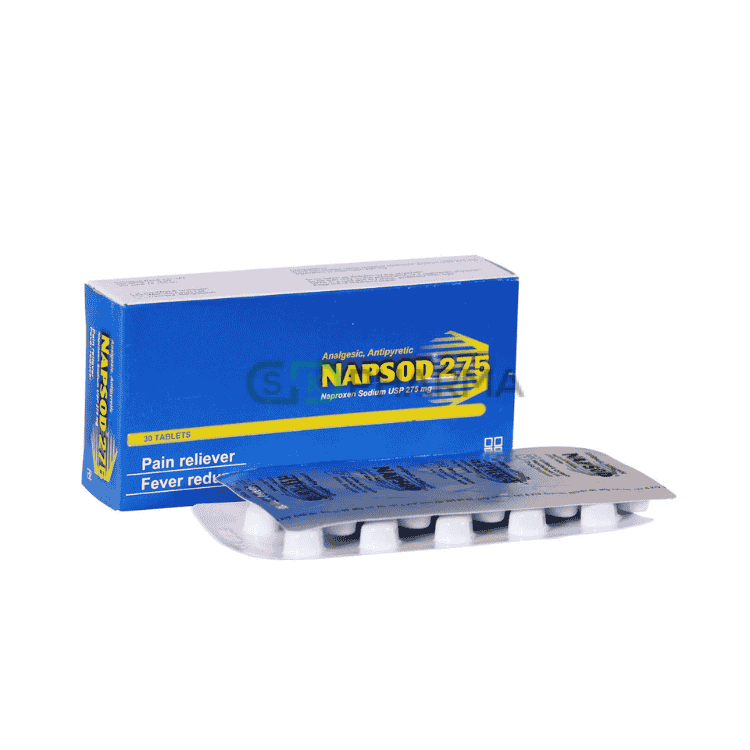
Napsod Tablet 275 mg (Naproxen Sodium)
Product Queries (0)
Login Or Registerto submit your questions to seller
Other Questions
No none asked to seller yet
-
৳18.80
৳20.00 -
৳3.33
৳3.50 -
৳5.64
৳6.00 -
৳8.46
৳9.00


