


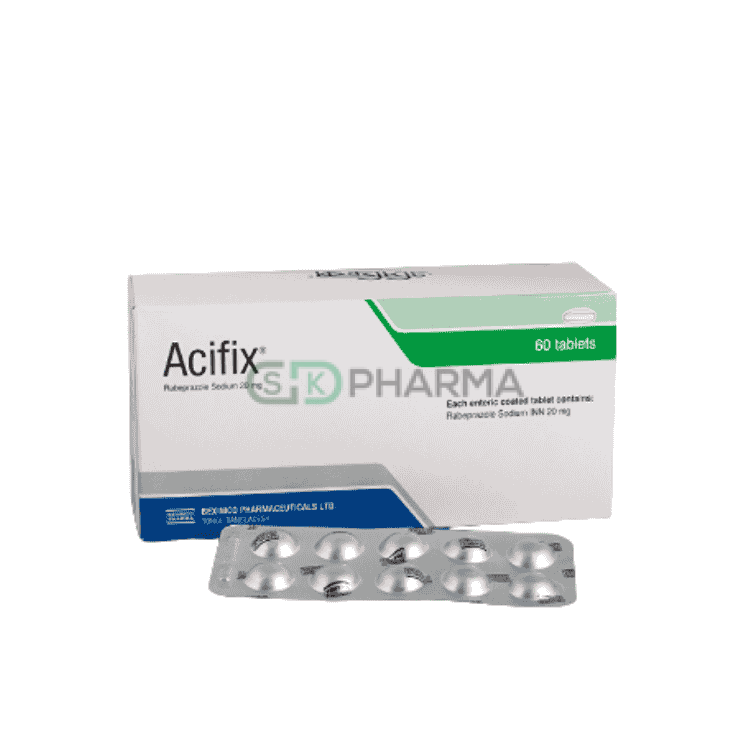
Acifix Tablet (Enteric Coated) 20 mg (Rabeprazole Sodium)
-
 ৳18.80
৳20.00 -
৳3.33
৳3.50 -
৳5.64
৳6.00 -
৳8.46
৳9.00
![Recur Tablet 1 mg (Finasteride [For Androgenic Alopecia])](https://skpharma.com.bd/public/uploads/all/mqB5zpgTubYSB0CMtn0XXhQtwBc22ia6JfYbyrMt.png)

Reviews & Ratings
Acifix 20 mg contains rabeprazole sodium, a well-established proton pump inhibitor (PPI) used to reduce excessive gastric acid secretion. It is formulated as a gastro-resistant tablet to ensure targeted release in the intestine, improving efficacy while minimizing gastric irritation. Acifix 20 mg is widely prescribed for the treatment and long-term management of acid-related gastrointestinal disorders.
রেজিস্টার্ড চিকিৎসকের পরামর্শ অনুযায়ী ঔষধ সেবন করুন
Therapeutic Class
Proton Pump Inhibitor
Indications
Acifix 20 mg is indicated for the treatment of the following conditions:
-
Active duodenal ulcer
-
Active benign gastric ulcer
-
Erosive or ulcerative gastroesophageal reflux disease (GERD)
-
Symptomatic GERD, including moderate to severe symptoms
-
Long-term maintenance therapy of healed erosive or ulcerative GERD
-
Zollinger–Ellison syndrome
-
Eradication of Helicobacter pylori infection in patients with peptic ulcer disease, in combination with appropriate antibacterial therapy
Pharmacology and Mode of Action
Rabeprazole works by selectively inhibiting the H⁺/K⁺-ATPase enzyme system (proton pump) located on the secretory surface of gastric parietal cells. By blocking the final step of acid production, it significantly reduces both basal and stimulated gastric acid secretion. This acid suppression promotes ulcer healing, relieves reflux symptoms, and prevents recurrence of acid-related damage.
Dosage and Administration
-
Duodenal ulcer: 20 mg once daily in the morning for 4 weeks
-
Benign gastric ulcer: 20 mg once daily for 6 weeks
-
Erosive or ulcerative GERD: 20 mg once daily for 4–8 weeks
-
Symptomatic GERD: 20 mg once daily for 4 weeks
-
GERD maintenance: 10–20 mg once daily depending on patient response
-
Zollinger–Ellison syndrome: Starting dose 60 mg once daily, titrated up to a maximum of 120 mg per day if required
-
H. pylori eradication: Rabeprazole 20 mg twice daily with clarithromycin 500 mg and amoxicillin 1 g, twice daily for 7 days
Tablets should be swallowed whole, preferably in the morning before meals. They should not be crushed, chewed, or split.
Drug Interactions
Acifix 20 mg may affect the absorption of drugs with pH-dependent bioavailability such as ketoconazole, itraconazole, and atazanavir. Concomitant use with atazanavir is not recommended. No significant interaction has been observed with liquid antacids.
Contraindications
-
Hypersensitivity to rabeprazole or any component of the formulation
-
Use during pregnancy and breastfeeding is not recommended unless clearly necessary
Side Effects
Acifix 20 mg is generally well tolerated. Possible side effects include headache, nausea, vomiting, constipation, dry mouth, dizziness, somnolence, muscle pain, and changes in appetite.
রেজিস্টার্ড চিকিৎসকের পরামর্শ অনুযায়ী ঔষধ সেবন করুন
Precautions and Warnings
Before initiating therapy, the possibility of gastric or esophageal malignancy should be excluded. Long-term use, especially beyond one year, may slightly increase the risk of bone fractures, particularly in elderly patients. Patients at risk of osteoporosis should ensure adequate intake of calcium and vitamin D.
Pregnancy and Lactation
Rabeprazole is classified as FDA pregnancy category C. Animal studies have not shown fetal harm, but adequate studies in pregnant women are lacking. As rabeprazole may be excreted in breast milk, a decision should be made to discontinue breastfeeding or the drug based on clinical need.
Overdose
Overdose effects are usually mild and reversible. There is no specific antidote, and treatment should be supportive and symptomatic.
Storage Conditions
Store below 30°C, protected from light and moisture. Keep out of reach of children.
Related Products

Flexifen Tablet 5 mg (Baclofen)

Eltromin Tablet 25 mg (Eltrombopag Olamine)
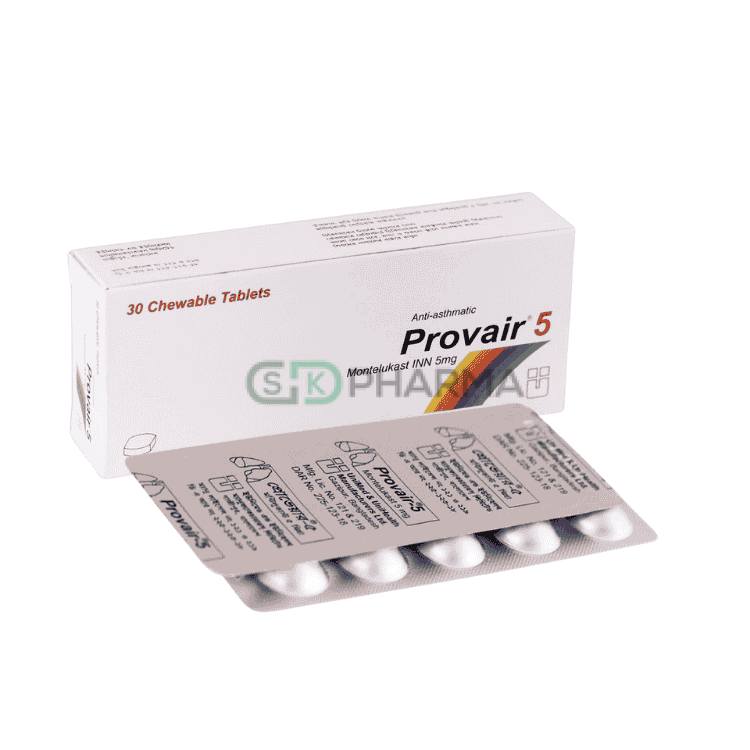
Provair ODT Tablet 5 mg (Montelukast Sodium)

Radiglip Tablet 100 mg (Sitagliptin)
![Nutrivit-C Chewable Tablet 250 mg (Vitamin C [Ascorbic acid])](https://skpharma.com.bd/public/uploads/all/oiCqdS9u5IA9TSbpRe7ncPIb86FWjvpevqvBKd3f.png)

Cefotil Tablet 500 mg (Cefuroxime Axetil)

Coxia Tablet 60 mg (Etoricoxib)
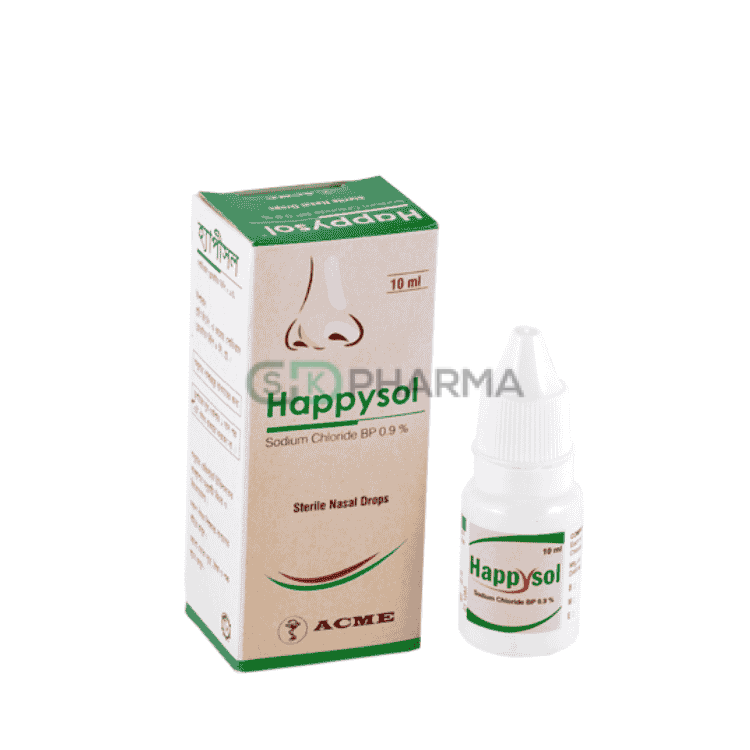
Happysol Nasal Drop 0.90% (Sodium Chloride)
Aloglip Tablet 25 mg (Alogliptin Benzoate)
Product Queries (0)
Login Or Registerto submit your questions to seller
Other Questions
No none asked to seller yet
-
৳18.80
৳20.00 -
৳3.33
৳3.50 -
৳5.64
৳6.00 -
৳8.46
৳9.00


