


Glyset R Injection 100 IU/ml (Insulin Aspart [Protamine Crystallised])
-
 ৳18.80
৳20.00 -
৳3.33
৳3.50 -
৳5.64
৳6.00 -
৳8.46
৳9.00 -
৳18.80
৳20.00


Reviews & Ratings
Glyset R is a rapid-acting insulin analog containing Insulin Aspart (rDNA), designed to provide effective glycemic control in individuals with diabetes mellitus. This insulin analog mimics the action of natural human insulin but has a faster onset and shorter duration of action, allowing precise control of postprandial blood glucose levels. Glyset R is suitable for use in subcutaneous injections, continuous subcutaneous insulin infusion (CSII) via pumps, and intravenous administration under medical supervision. Its recombinant DNA technology ensures purity and consistency in glucose-lowering efficacy.
রেজিস্টার্ড চিকিৎসকের পরামর্শ অনুযায়ী ঔষধ সেবন করুন
Indications
Glyset R is indicated for:
-
Diabetes Mellitus Management: Both type 1 and type 2 diabetes patients requiring rapid-acting insulin to control post-meal glucose spikes.
-
Glycemic Control: Can be used alone or in combination with long-acting insulin to achieve optimal daily glucose regulation.
-
Use should always be under the guidance of a registered healthcare professional.
Therapeutic Class
-
Rapid-Acting Insulin
-
Glucose-Lowering Agent
Composition
Each milliliter of Glyset R solution contains:
-
Insulin Aspart (rDNA): 100 IU (equivalent to 3.50 mg)
Pharmacology
Insulin Aspart regulates blood glucose by binding to insulin receptors on muscle and adipose tissue, promoting glucose uptake. It simultaneously inhibits hepatic glucose production, helping to reduce both fasting and postprandial blood sugar levels. Glyset R’s amino acid substitution at B28 (Proline replaced by Aspartic acid) accelerates absorption and onset of action compared to regular human insulin.
Dosage & Administration
General Guidance:
-
Administered typically just before meals, though it may also be injected shortly after eating if necessary.
-
Dosage is individualized based on patient requirements and usually combined with a long-acting insulin for basal coverage.
Typical Adult Dose:
-
Total daily insulin requirement: 0.5–1.0 IU/kg/day.
-
50–70% of this requirement is met by Glyset R for meal-related coverage; the remainder by long-acting insulin.
Administration Methods:
-
Subcutaneous Injection: Abdomen, thigh, upper arm, or buttocks. Inject 5–10 minutes before meals.
-
Continuous Subcutaneous Infusion (CSII): Delivered via insulin pumps. Boluses cover meals, with basal infusion covering remaining daily needs. Do not mix with other insulins in the pump.
-
Intravenous Use: For hospital-based glycemic control. Diluted to 0.05–1.0 IU/mL in polypropylene infusion bags, stable in 0.9% sodium chloride. Requires close glucose and potassium monitoring.
Patient Instructions for Pen Use:
-
Follow ConviPen instructions for cartridge insertion and needle attachment.
-
Gently invert pen 8–10 times before use.
-
Remove air bubbles and inject the prescribed dose immediately.
-
Maintain hygiene to avoid cross-contamination.
Interactions
-
May decrease insulin requirement: Oral antidiabetic drugs, ACE inhibitors, disopyramide, fibrates, fluoxetine, MAO inhibitors, propoxyphene, pentoxifylline, salicylates, sulfonamides.
-
May increase insulin requirement: Thiazides, glucocorticoids, thyroid hormones, beta-sympathomimetics, growth hormone, danazol.
-
Variable effects: Beta-blockers, clonidine, lithium, alcohol.
Side Effects
-
Hypoglycemia
-
Allergic reactions
-
Injection site reactions, lipodystrophy
-
Itching and skin rashes
Pregnancy & Lactation
-
Pregnancy: Category B – safe when medically indicated.
-
Lactation: Insulin treatment is generally compatible with breastfeeding; dosage adjustments may be necessary.
Precautions & Warnings
-
Regular blood glucose monitoring is essential.
-
Adjust dosage carefully under medical supervision.
-
Consider exercise and dietary changes, as these can affect insulin requirements.
Overdose
Excess insulin may cause hypoglycemia:
-
Mild: Treat with oral glucose or sugary foods.
-
Severe: Administer glucagon (0.5–1 mg IM/SC) and intravenous glucose if unresponsive. Provide carbohydrates upon recovery to prevent recurrence.
Storage Conditions
-
Store 2°C–8°C in a refrigerator.
-
Do not freeze.
-
Protect from light and use as directed by a healthcare professional.
Related Products

Cardoprin Tablet 75 mg (Aspirin)

Xaloplat Injection 5 mg/ml (Oxaliplatin)
Verquv Tablet 10 mg (Vericiguat)
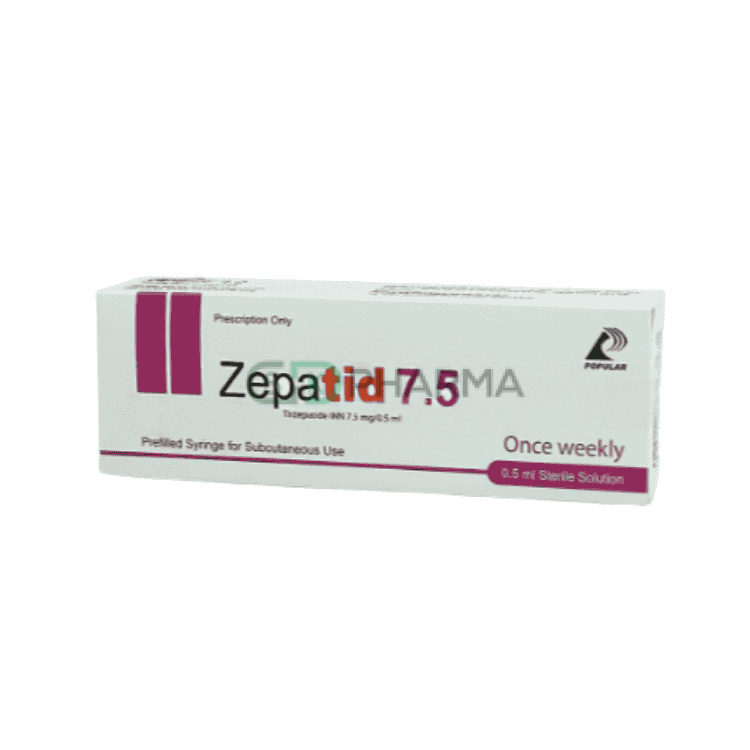
Zepatid Injection 7.5 mg/0.5 ml (Tirzepatide)
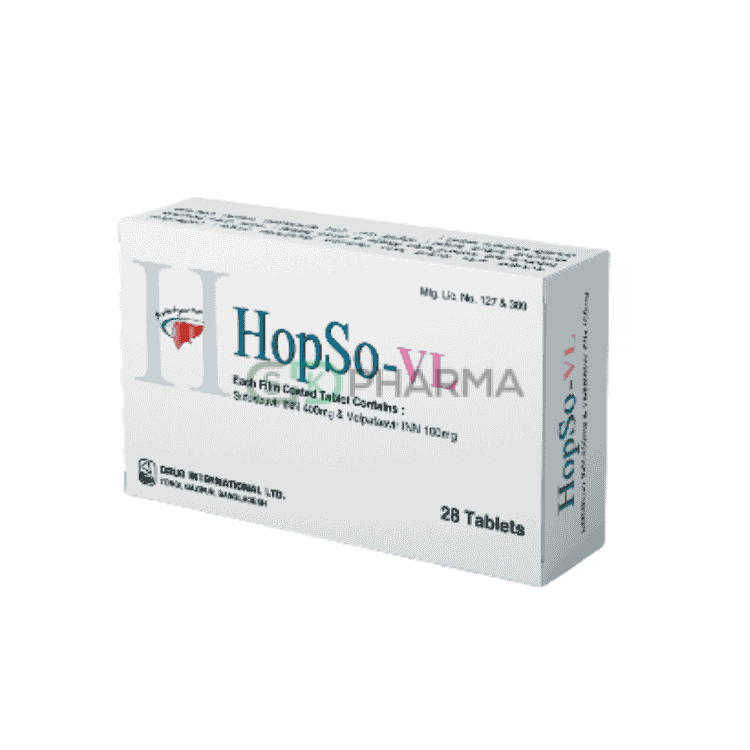
HopSo-VL Tablet 400 mg+100 mg (Sofosbuvir + Velpatasvir)
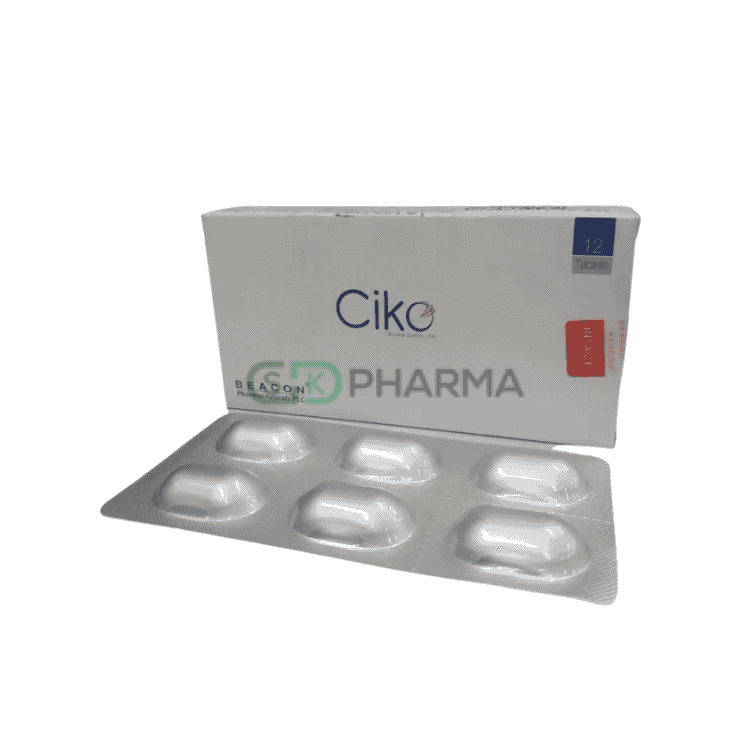
Ciko Tablet 500 mg (Citicoline Sodium)

Cinarex Eye Drop 0.30% (Tobramycin (Ophthalmic))
Product Queries (0)
Login Or Registerto submit your questions to seller
Other Questions
No none asked to seller yet
-
৳18.80
৳20.00 -
৳3.33
৳3.50 -
৳5.64
৳6.00 -
৳8.46
৳9.00 -
৳18.80
৳20.00


