


Inj. K MM Injection 10 mg/ml (Phytomenadione (Injection))
-
 ৳18.80
৳20.00 -
৳3.33
৳3.50 -
৳5.64
৳6.00 -
৳8.46
৳9.00
![Recur Tablet 1 mg (Finasteride [For Androgenic Alopecia])](https://skpharma.com.bd/public/uploads/all/mqB5zpgTubYSB0CMtn0XXhQtwBc22ia6JfYbyrMt.png)


Reviews & Ratings
Inj. K MM 10 mg/ml is a sterile injectable solution of Phytomenadione, also known as Vitamin K1, used to prevent and treat vitamin K deficiency. Vitamin K is an essential fat-soluble vitamin that plays a critical role in blood coagulation, bone metabolism, and cardiovascular health. Inj. K MM is primarily indicated for rapid correction of bleeding disorders caused by low vitamin K levels and is an essential therapeutic agent in both adults and neonates.
রেজিস্টার্ড চিকিৎসকের পরামর্শ অনুযায়ী ঔষধ সেবন করুন
Therapeutic Class
-
Hematologic Agents
-
Vitamin & Nutritional Supplements
-
Anti-Hemorrhagic Agents
Composition
Each 1 ml of Inj. K MM contains:
-
Phytomenadione (Vitamin K1) – 10 mg
-
Suitable solvents and stabilizers for parenteral administration
Indications
Inj. K MM 10 mg/ml is indicated for:
-
Prevention and treatment of hemorrhagic disease of the newborn: Administered to neonates to prevent vitamin K deficiency bleeding (VKDB)
-
Vitamin K deficiency in adults: Conditions such as malabsorption syndromes, chronic liver disease, or prolonged antibiotic therapy
-
Management of anticoagulant-associated bleeding: Reverses the effects of vitamin K antagonists (e.g., warfarin) in cases of overdose or excessive anticoagulation
-
Prevention of post-surgical bleeding in patients at risk of coagulopathy
Pharmacology
Phytomenadione (Vitamin K1) is essential for the hepatic synthesis of active clotting factors II (prothrombin), VII, IX, and X, as well as regulatory proteins C and S. By restoring these factors, vitamin K facilitates normal coagulation and prevents excessive bleeding. Vitamin K1 acts rapidly when administered parenterally, making it effective in acute hemorrhagic events. Its fat-soluble nature allows storage in the liver for gradual utilization, supporting sustained coagulation function.
Dosage & Administration
-
Adults: Typically, 5–10 mg by slow intravenous or intramuscular injection, depending on the severity of deficiency or bleeding.
-
Neonates: A single prophylactic dose of 1 mg intramuscularly shortly after birth is standard to prevent VKDB.
-
Route: Intravenous (IV) or intramuscular (IM) injection. For IV use, administration should be slow to minimize risk of hypotension or hypersensitivity reactions.
Note: Dosage may vary based on clinical condition, laboratory parameters (e.g., prothrombin time), and physician discretion.
Drug Interactions
-
Vitamin K antagonists (e.g., warfarin): Vitamin K1 antagonizes anticoagulant effects, requiring careful monitoring of INR.
-
Antibiotics: Prolonged antibiotic therapy can reduce gut bacterial synthesis of vitamin K, increasing the need for supplementation.
Contraindications
-
Hypersensitivity to phytomenadione or any component of the formulation
-
Severe liver disease with cholestasis may reduce effectiveness
-
Avoid rapid IV bolus injection due to risk of cardiovascular adverse reactions
Side Effects
Inj. K MM is generally well tolerated. Rare side effects include:
-
Local reactions: Pain, erythema, or swelling at injection site
-
Systemic reactions: Hypersensitivity, flushing, dizziness, or hypotension
-
Rare anaphylactic reactions with IV administration
Pregnancy & Lactation
-
Considered safe during pregnancy and lactation when indicated.
-
Neonatal prophylaxis is routinely recommended shortly after birth.
Precautions & Warnings
-
Monitor for allergic reactions, especially with IV administration
-
Administer slowly when given intravenously
-
Adjust dosage carefully in patients on anticoagulant therapy
-
Use with caution in patients with severe cardiovascular disease
Storage Conditions
-
Store at 2°C–8°C (refrigerated)
-
Protect from light
-
Do not freeze
-
Keep out of reach of children
Conclusion
Inj. K MM 10 mg/ml (Phytomenadione) is a vital therapeutic agent for the prevention and treatment of vitamin K deficiency and related bleeding disorders. Its rapid action, proven efficacy, and essential role in coagulation make it indispensable in neonatal care, perioperative management, and anticoagulation reversal in adults.
Related Products
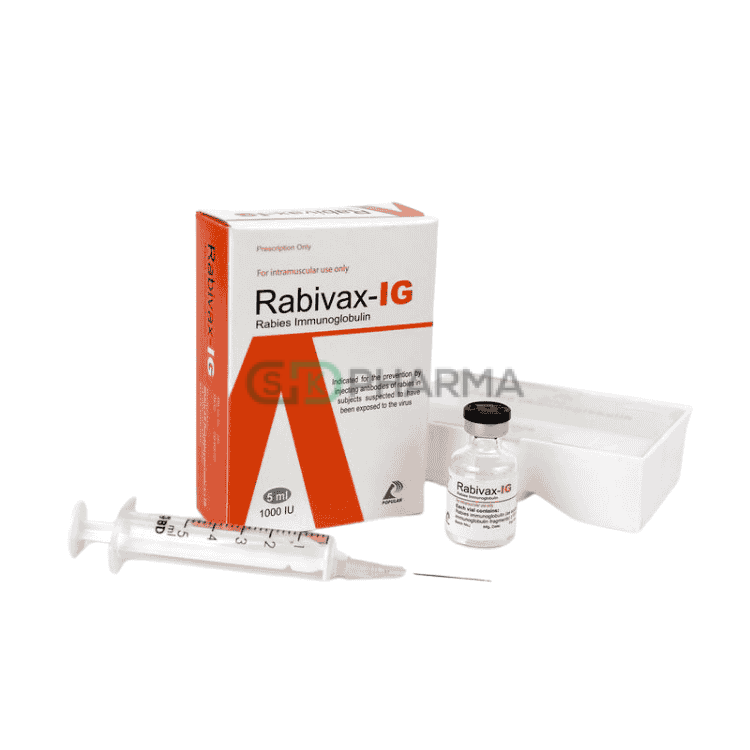
Rabivax-IG Injection 1000 IU/5 ml (Rabies Immunoglobulin)

Gefapix Tablet 45 mg (Gefapixant Citrate)
Xonimide ODT Tablet 50 mg (Zonisamide)
Ameloss M Capsule 28 mg+10 mg (Memantine + Donepezil)

Clofenac Tablet 50 mg (Diclofenac Sodium)
Sizatoin Tablet 100 mg (Phenytoin Sodium)

Empalina Tablet 10 mg+5 mg (Empagliflozin + Linagliptin)

Nifecap Capsule 10 mg (Nifedipine)
Product Queries (0)
Login Or Registerto submit your questions to seller
Other Questions
No none asked to seller yet
-
৳18.80
৳20.00 -
৳3.33
৳3.50 -
৳5.64
৳6.00 -
৳8.46
৳9.00


