


Intafenac Eye Drop 0.10% (Diclofenac Sodium (Ophthalmic))
-
 ৳18.80
৳20.00 -
৳3.33
৳3.50 -
৳5.64
৳6.00 -
৳32.90
৳35.00
![Recur Tablet 1 mg (Finasteride [For Androgenic Alopecia])](https://skpharma.com.bd/public/uploads/all/mqB5zpgTubYSB0CMtn0XXhQtwBc22ia6JfYbyrMt.png)


Reviews & Ratings
Intafenac Eye Drop 0.10% is a sterile ophthalmic solution containing Diclofenac Sodium, a non-steroidal anti-inflammatory drug (NSAID), specifically formulated for ocular use. It is indicated for reducing inflammation and pain in the eye following surgical procedures or due to various ocular conditions. Intafenac acts by inhibiting enzymes responsible for inflammation, providing relief from ocular pain, swelling, and redness without the side effects associated with systemic NSAID therapy.
রেজিস্টার্ড চিকিৎসকের পরামর্শ অনুযায়ী ঔষধ সেবন করুন
Therapeutic Class
-
Ophthalmic NSAIDs
-
Anti-inflammatory & Analgesic Eye Preparations
Composition
Each milliliter of Intafenac Eye Drop 0.10% contains:
-
Diclofenac Sodium: 1 mg (0.10%)
-
Sterile water and ophthalmic-compatible excipients
Indications
Intafenac Eye Drop 0.10% is indicated for:
-
Postoperative inflammation following cataract or ocular surgery
-
Pain relief associated with ocular trauma or injury
-
Management of corneal abrasions and keratitis
-
Prevention of cystoid macular edema after ocular surgery
-
Temporary relief of ocular pain and redness due to inflammatory eye conditions
Pharmacology
Diclofenac Sodium is a potent NSAID that inhibits cyclooxygenase (COX-1 and COX-2) enzymes, thereby reducing the synthesis of prostaglandins. Prostaglandins are chemical mediators responsible for inflammation, pain, and vasodilation in ocular tissues. By blocking prostaglandin formation, Intafenac reduces ocular inflammation, edema, and discomfort, promoting faster recovery and improving visual comfort post-surgery.
Dosage & Administration
-
Adults: Instill 1 drop into the affected eye 3–4 times daily, or as prescribed by the ophthalmologist.
-
Duration: Usually continues for a few days to weeks, depending on the severity of inflammation and response to therapy.
-
Shake well before use.
-
Maintain strict aseptic technique to prevent contamination of the dropper.
Note: Avoid touching the dropper tip to the eye or surrounding surfaces.
Drug Interactions
-
Caution when used with other topical ocular medications, as absorption may be altered.
-
Concurrent use with systemic NSAIDs may increase the risk of additive side effects, though systemic absorption from ophthalmic use is minimal.
Contraindications
-
Known hypersensitivity to diclofenac, aspirin, or other NSAIDs
-
Eye infections (bacterial, viral, or fungal) unless prescribed as part of combined therapy
-
Patients with corneal epithelial defects should use with caution
Side Effects
Common adverse effects may include:
-
Mild burning, stinging, or irritation at the instillation site
-
Conjunctival hyperemia (redness)
-
Transient blurred vision
Rare but serious side effects:
-
Corneal thinning or ulceration
-
Delayed wound healing in postoperative eyes
-
Allergic reactions, including itching, swelling, or rash
Pregnancy & Lactation
-
Pregnancy: Safety not well established; use only if clearly needed and prescribed by an ophthalmologist.
-
Lactation: Limited systemic absorption; however, caution is advised when used by breastfeeding mothers.
Precautions & Warnings
-
Do not exceed the recommended dose.
-
Discontinue if signs of allergic reaction or corneal damage occur.
-
Monitor patients with pre-existing ocular surface disease or history of corneal surgery.
-
Avoid contact lens use while instilling the drops unless approved by the ophthalmologist.
Storage Conditions
-
Store at 2°C–8°C (refrigerated) or as directed on the label.
-
Protect from light and keep the bottle tightly closed.
-
Discard after the recommended period once opened to prevent contamination.
Mechanism of Action
Diclofenac Sodium in Intafenac inhibits prostaglandin synthesis by blocking cyclooxygenase enzymes. This reduces ocular inflammation, pain, and swelling, facilitating healing after surgery or injury and improving patient comfort.
Related Products
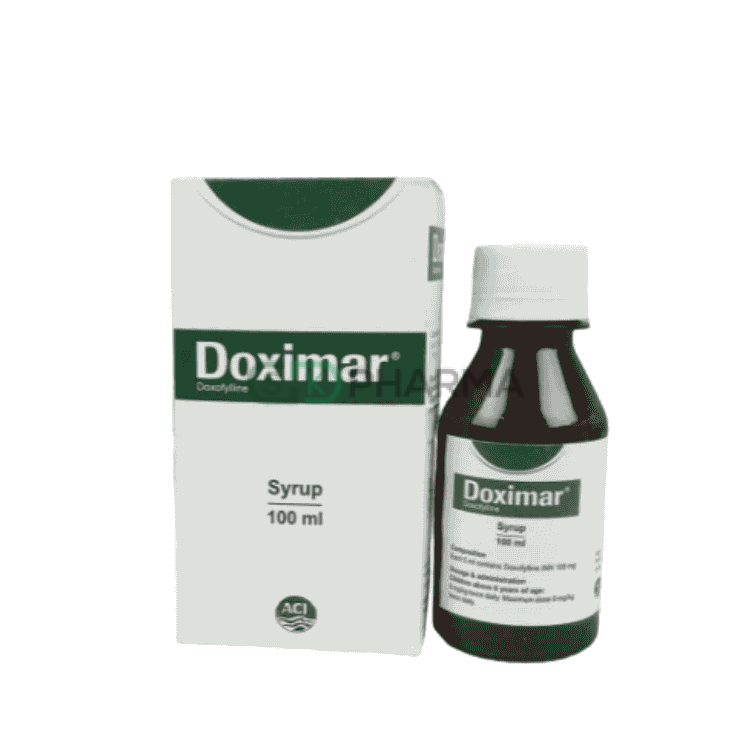
Doximar Syrup 100 mg/5 ml (Doxophylline)
Maltofer Injection 750 mg/15 ml (Ferric Carboxymaltose)
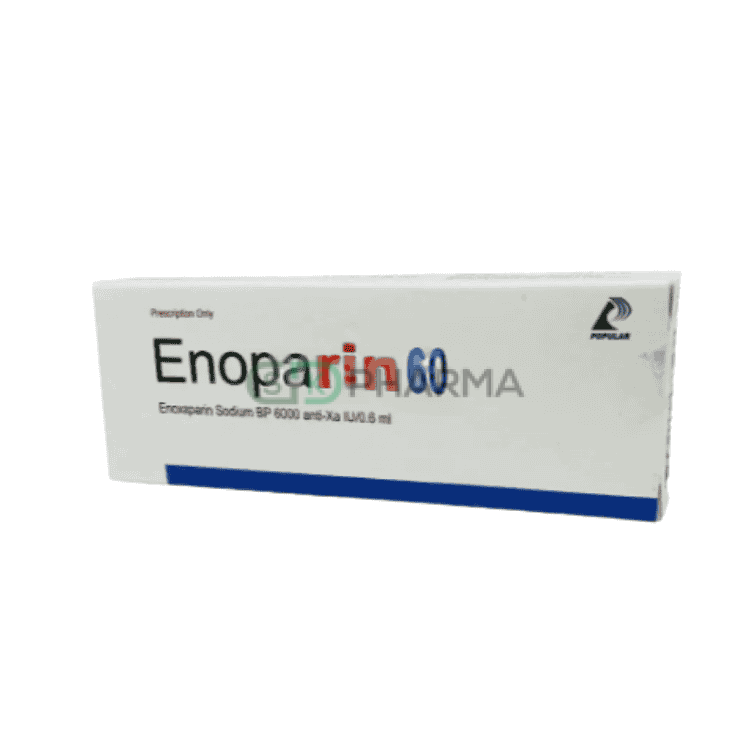
Enoparin Injection 6000 Anti-Xa IU/0.6 ml (Enoxaparin Sodium)
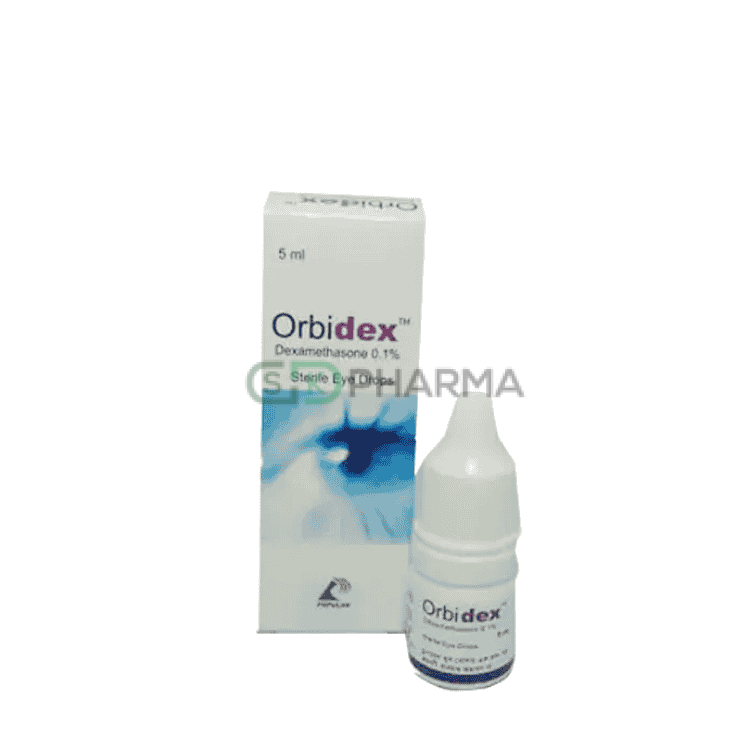
Orbidex Eye Drop 0.10% (Dexamethasone (Ophthalmic))

Imacent Tablet 100 mg (Imatinib Mesylate)

Alice Tablet 12 mg (Ivermectin (Tablet))

Neumig Tablet 2.5 mg (Mirogabalin Besylate)

Hepaclin Injection 5 gm/10 ml (L-Ornithine L-Aspartate)

Entrovas Tablet 49 mg+51 mg (Sacubitril + Valsartan)
Lucazol Cream 1% (Luliconazole)
Product Queries (0)
Login Or Registerto submit your questions to seller
Other Questions
No none asked to seller yet
-
৳18.80
৳20.00 -
৳3.33
৳3.50 -
৳5.64
৳6.00 -
৳32.90
৳35.00


