


Intrax Injection 500 mg/5 ml (Tranexamic Acid)
-
 ৳18.80
৳20.00 -
৳3.33
৳3.50 -
৳5.64
৳6.00 -
৳32.90
৳35.00
![Recur Tablet 1 mg (Finasteride [For Androgenic Alopecia])](https://skpharma.com.bd/public/uploads/all/mqB5zpgTubYSB0CMtn0XXhQtwBc22ia6JfYbyrMt.png)


Reviews & Ratings
Intrax Injection 500 mg/5 ml contains Tranexamic Acid, an antifibrinolytic agent used to reduce or prevent excessive bleeding in various medical conditions. It works by stabilizing blood clots and inhibiting their premature breakdown, making it an essential therapy in surgical procedures, trauma cases, and disorders characterized by abnormal bleeding. Intrax is administered intravenously under medical supervision and is commonly used in hospitals to manage both acute and chronic bleeding events.
রেজিস্টার্ড চিকিৎসকের পরামর্শ অনুযায়ী ঔষধ সেবন করুন
Therapeutic Class
-
Hemostatic drugs
-
Antifibrinolytic agents
Composition
Each 5 ml ampoule contains:
-
Tranexamic Acid 500 mg
Indications
Intrax Injection is indicated for the management of conditions associated with excessive bleeding, including:
-
Surgical bleeding (cardiac, orthopedic, dental, and gynecological surgeries)
-
Trauma-induced hemorrhage
-
Menorrhagia (heavy menstrual bleeding)
-
Bleeding associated with hemophilia during tooth extraction or minor procedures
-
Prevention of recurrent hemorrhage in patients with hereditary bleeding disorders
-
Epistaxis and other localized bleeding episodes
Pharmacology
Tranexamic acid is a synthetic derivative of the amino acid lysine. It acts as an antifibrinolytic by reversibly binding to lysine-binding sites on plasminogen. This prevents plasminogen activation to plasmin, the enzyme responsible for breaking down fibrin clots. By inhibiting fibrinolysis, Tranexamic Acid stabilizes formed clots, reduces blood loss, and improves hemostasis. It has minimal effect on coagulation parameters and does not promote clot formation in the absence of active bleeding.
Dosage and Administration
Adults:
-
Typical dose: 10–15 mg/kg administered intravenously over 10–20 minutes
-
For ongoing bleeding: A continuous infusion of 1 mg/kg per hour may be used following the initial dose
-
Maximum daily dose should not exceed 3 grams unless under specialist supervision
Pediatric Use:
-
Dose is weight-based and should be calculated carefully according to the physician’s recommendation
-
Safety and efficacy in neonates should be closely monitored
Administration Notes:
-
Inject intravenously slowly to minimize the risk of hypotension
-
Monitor patients for signs of clotting disorders or abnormal coagulation
-
Dose adjustments may be required in patients with renal impairment
Contraindications
-
Hypersensitivity to Tranexamic Acid or any component of the formulation
-
Active thromboembolic disease such as deep vein thrombosis or pulmonary embolism
-
History of subarachnoid hemorrhage or intracranial clotting disorders
-
Severe renal impairment without dose adjustment
Side Effects
Common adverse reactions may include:
-
Nausea, vomiting, diarrhea
-
Dizziness or headache
-
Hypotension (if injected rapidly)
-
Rare: Thromboembolic events, visual disturbances, skin rash, or hypersensitivity reactions
Patients should be monitored for signs of thrombosis during treatment.
রেজিস্টার্ড চিকিৎসকের পরামর্শ অনুযায়ী ঔষধ সেবন করুন
Drug Interactions
-
Concomitant use with estrogen-containing medications may increase the risk of thromboembolic events
-
Care should be taken when used with anticoagulants or other procoagulant therapies
Pregnancy and Lactation
-
Use only if clearly needed and prescribed by a physician
-
Safety during pregnancy and lactation has not been fully established; the potential benefit must outweigh potential risks
Precautions and Warnings
-
Use with caution in patients with a history of thrombosis or thromboembolic disorders
-
Renal function should be assessed prior to and during treatment
-
Avoid rapid IV injection to prevent hypotension
Overdose
-
Symptoms may include hypotension, dizziness, nausea, and visual disturbances
-
Management involves discontinuation of the drug and supportive measures; no specific antidote exists
Storage Conditions
-
Store in a cool, dry place below 25°C
-
Protect from light and keep out of reach of children.
Related Products
![Pentasa Microgranules 2 gm/sachet (Mesalazine [5-aminosalicylic acid])](https://skpharma.com.bd/public/uploads/all/y9qdkyVuzD29VqrujzcsUzdkI5uqEfqSvvJOEzMz.png)

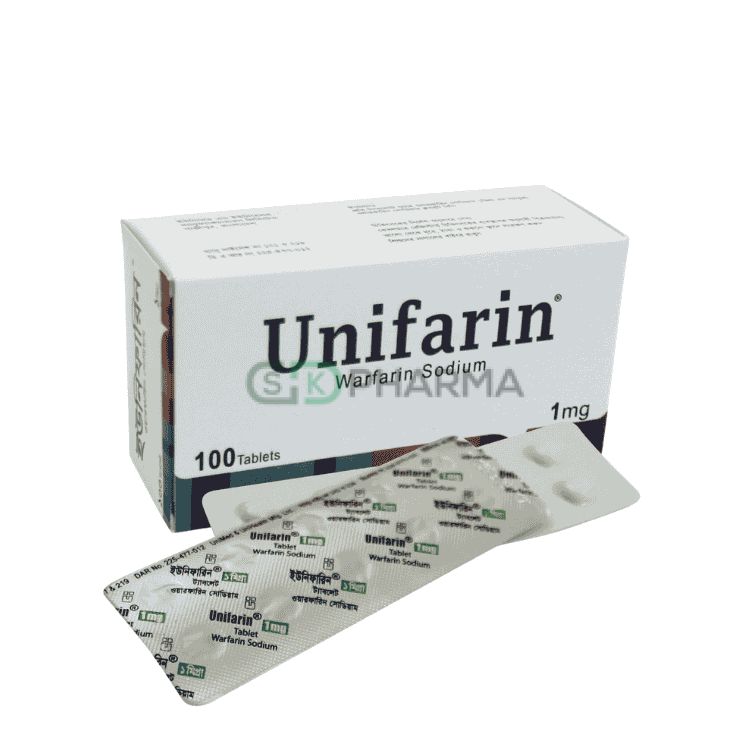
Unifarin Tablet 1 mg (Warfarin Sodium)
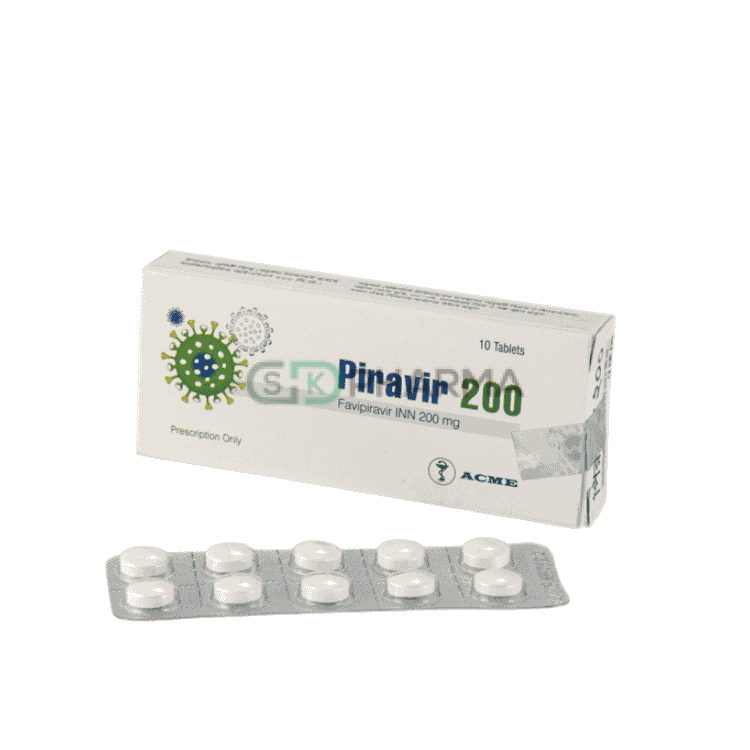
Piravir Tablet 200 mg (Favipiravir)

Noteron Tablet 5 mg (Norethisterone Acetate)

Twinvir Tablet 90 mg+400 mg (Ledipasvir + Sofosbuvir)
![Oral-C Mouthwash 0.20% (Chlorhexidine Gluconate [0.2%])](https://skpharma.com.bd/public/uploads/all/JRt0oOYpp4RodlLGathbzN03FD92fUQrggsfteSu.png)
Oral-C Mouthwash 0.20% (Chlorhexidine Gluconate [0.2%])
Aprima Tablet 10 mg (Apremilast)

Product Queries (0)
Login Or Registerto submit your questions to seller
Other Questions
No none asked to seller yet
-
৳18.80
৳20.00 -
৳3.33
৳3.50 -
৳5.64
৳6.00 -
৳32.90
৳35.00


