


Ximeprox Tablet 200 mg (Cefpodoxime Proxetil)
-
 ৳18.80
৳20.00 -
৳3.33
৳3.50 -
৳5.64
৳6.00 -
৳8.46
৳9.00


![Recur Tablet 1 mg (Finasteride [For Androgenic Alopecia])](https://skpharma.com.bd/public/uploads/all/mqB5zpgTubYSB0CMtn0XXhQtwBc22ia6JfYbyrMt.png)
Reviews & Ratings
Ximeprox Tablet 200 mg contains Cefpodoxime Proxetil, a third-generation oral cephalosporin antibiotic with broad-spectrum activity against a wide range of Gram-positive and Gram-negative bacteria. It is commonly prescribed for the treatment of respiratory tract infections, urinary tract infections, skin infections, and certain sexually transmitted infections. Due to its good stability against beta-lactamase enzymes, Ximeprox Tablet 200 mg remains effective against many resistant bacterial strains.
Ximeprox is often initiated before the exact causative organism is identified, making it a reliable option for empirical therapy in susceptible infections.
রেজিস্টার্ড চিকিৎসকের পরামর্শ অনুযায়ী ঔষধ সেবন করুন
Therapeutic Class
Third Generation Cephalosporins
Indications
Ximeprox Tablet 200 mg is indicated for the treatment of infections caused by susceptible microorganisms, including:
-
Acute otitis media caused by Streptococcus pneumoniae, Streptococcus pyogenes, Haemophilus influenzae, and Moraxella catarrhalis (including beta-lactamase-producing strains)
-
Pharyngitis and tonsillitis caused by Streptococcus pyogenes
-
Acute maxillary sinusitis caused by Haemophilus influenzae (including beta-lactamase-producing strains), Streptococcus pneumoniae, and Moraxella catarrhalis
-
Community-acquired pneumonia caused by Streptococcus pneumoniae or Haemophilus influenzae (including beta-lactamase-producing strains)
-
Acute bacterial exacerbation of chronic bronchitis caused by Streptococcus pneumoniae, Haemophilus influenzae (non-beta-lactamase-producing strains only), or Moraxella catarrhalis
-
Skin and skin structure infections caused by Staphylococcus aureus and Streptococcus pyogenes
-
Uncomplicated urinary tract infections caused by Escherichia coli, Klebsiella pneumoniae, Proteus mirabilis, or Staphylococcus saprophyticus
-
Uncomplicated gonorrhea caused by Neisseria gonorrhoeae (including penicillinase-producing strains)
-
Rectal gonococcal infections in women caused by Neisseria gonorrhoeae
Pharmacology
Ximeprox Tablet 200 mg is an oral third-generation cephalosporin with excellent resistance to beta-lactamase enzymes. Cefpodoxime Proxetil is a prodrug that is converted in the body to its active metabolite, cefpodoxime, after absorption from the gastrointestinal tract. Cefpodoxime exerts bactericidal activity by inhibiting bacterial cell wall synthesis.
Approximately 29–33% of the active drug is excreted unchanged in the urine within 12 hours, making renal function an important consideration during dosing.
Mode of Action
-
Inhibits bacterial cell wall synthesis by binding to penicillin-binding proteins
-
Leads to weakening and rupture of the bacterial cell wall
-
Results in bacterial cell death
-
Active against a wide range of Gram-positive and Gram-negative organisms
Dosage and Administration
Adults and Adolescents (13 years and older):
-
Pharyngitis/tonsillitis: 100 mg every 12 hours for 5–10 days
-
Acute maxillary sinusitis: 200 mg every 12 hours for 10 days
-
Community-acquired pneumonia: 200 mg every 12 hours for 14 days
-
Acute bacterial exacerbation of chronic bronchitis: 200 mg every 12 hours for 10 days
-
Skin and skin structure infections: 400 mg every 12 hours for 7–14 days
-
Uncomplicated urinary tract infections: 100 mg every 12 hours for 7 days
-
Uncomplicated gonorrhea: Single dose of 200 mg
-
Rectal gonococcal infections in women: Single dose of 200 mg
Infants and Pediatric Patients (2 months to 12 years):
-
Acute otitis media: 5 mg/kg body weight every 12 hours for 5 days
-
Pharyngitis/tonsillitis: 5 mg/kg body weight every 12 hours for 5–10 days
-
Acute maxillary sinusitis: 5 mg/kg body weight every 12 hours for 10 days
Drug Interactions
-
High doses of antacids or H2-receptor blockers may reduce absorption of cefpodoxime
-
Probenecid may inhibit renal excretion and increase plasma levels of cefpodoxime
Contraindications
Ximeprox Tablet 200 mg is contraindicated in patients with:
-
Known hypersensitivity or allergy to cephalosporin antibiotics
Side Effects
Cefpodoxime is generally well tolerated. Possible side effects include:
-
Diarrhea
-
Nausea and vomiting
-
Abdominal pain
-
Skin rash, urticaria, or itching
Pregnancy and Lactation
Cefpodoxime is classified as US FDA Pregnancy Category B. It should be used during pregnancy only if clearly needed. Cefpodoxime is excreted in human breast milk, therefore caution is advised when administered to nursing mothers.
Precautions and Warnings
-
Dose adjustment is required in patients with renal impairment
-
Use with caution in patients receiving potent diuretics
-
Prolonged use may lead to overgrowth of non-susceptible organisms
Use in Special Populations
-
In patients with severe renal impairment (creatinine clearance <30 ml/min), dosing intervals should be extended to 24 hours
-
No dosage adjustment is required in hepatic impairment
Storage Conditions
Store in a dry place away from light and heat. Keep out of the reach of children.
Related Products
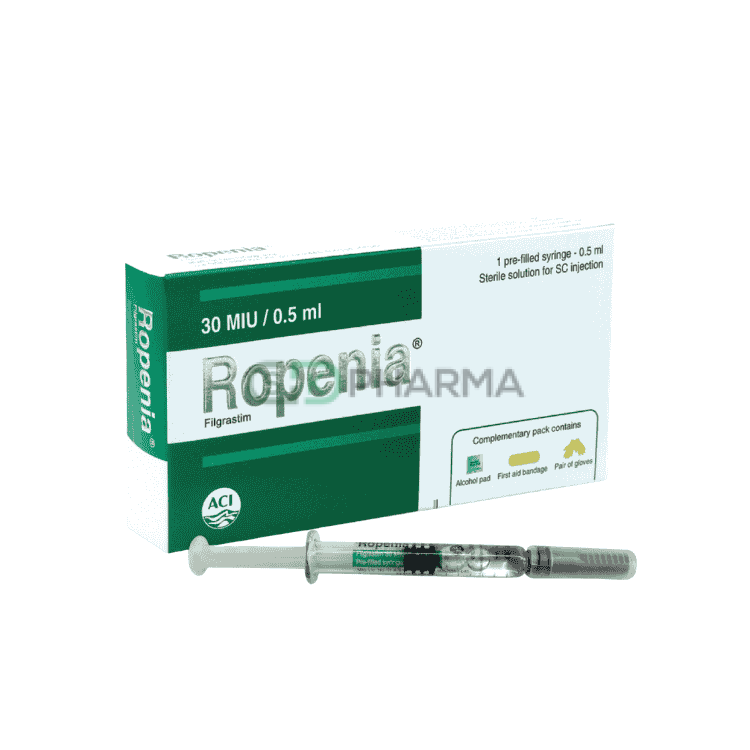
Ropenia Injection 300 mcg/0.5 ml (Filgrastim)

Lamogin Tablet 25 mg (Lamotrigine)

Licerin Cream 5% w/w (Permethrin)
Viset Tablet 50 mg (Tiemonium Methylsulfate)

Prebichol Tablet 10 mg (Obeticholic Acid)


Zocil Tablet 100 mg (Cilostazol)

Colimax Tablet 0.6 mg (Colchicine)
Product Queries (0)
Login Or Registerto submit your questions to seller
Other Questions
No none asked to seller yet
-
৳18.80
৳20.00 -
৳3.33
৳3.50 -
৳5.64
৳6.00 -
৳8.46
৳9.00


